
Blog
What Is Navigator Pear? Guide for Bloom Size Fruit and Care


The Navigator Pear brings white spring flowers and bright fall leaves to cold gardens. It also keeps a neat, upright shape.
This tree is not grown for bowls of sweet pears. It is an ornamental pear for yards, parks, streets, and small sites.
Its accepted plant name is Pyrus × ‘DurPSN303’. Prairie records link it to breeder Rick Durand and Prairie Shade Nursery.
Quick Facts
| Detail | Verified Information |
|---|---|
| Common name | Navigator Pear or Navigator Ornamental Pear |
| Botanical name | Pyrus × ‘DurPSN303’ |
| Plant type | Deciduous ornamental pear tree |
| Developer | Rick Durand |
| Nursery origin | Prairie Shade Nursery, Manitoba |
| Hardiness | Zone 2 on the official Jeffries listing |
| Light | Full sun |
| Mature height | Published nursery figures range from 23 to 35 feet |
| Mature spread | Published nursery figures range from 10 to 18 feet |
| Growth form | Dense, upright, pyramidal crown |
| Flowers | White spring flowers |
| Summer leaves | Glossy green foliage |
| Fall color | Yellow orange foliage |
| Fruit | Small fruit may form after bloom |
| Main uses | Accent tree, shade tree, yard tree, and street planting |
What Is the Navigator Pear?
The Navigator Pear is a flowering yard tree. It belongs to the Pyrus group. Pears are part of the rose family.
People choose this tree for shape and color. They do not plant it for a large crop of fresh pears. Its main role is visual.
The crown grows upward and stays quite dense. This form suits narrow lawns and planned beds. It also gives a clean, formal look.
The official Jeffries Nurseries record calls it Pyrus × ‘DurPSN303’. One shop uses Pyrus ‘Jefnag’. The breeder linked record supports ‘DurPSN303’.
Origin and Breeding History of Navigator Pear
The Navigator Pear came from tree work on the Canadian Prairies. Prairie Shade Nursery first brought the tree into the nursery trade.
Garden writer Colleen Zacharias credits Rick Durand with breeding the Navigator Pear. He also created several other trees for prairie yards.
Durand’s work gave cold regions more tree choices. Harsh winters can limit many flowering trees. This pear filled an important gap.
Nurseries later sold it across western Canada. Its cold strength and upright form became key traits. Those traits still guide buyers today.
How Large Does Navigator Pear Grow?
Nursery records give more than one mature size. Soil, weather, rootstock, and care can change how large a tree becomes.
Jeffries Nurseries lists 35 feet in height and 18 feet in width. That size makes it a medium shade tree.
Bron and Sons Nursery gives a smaller size. It lists 23 to 26 feet tall. It lists a 10 to 13 foot spread.
Plan for the larger size before planting. Leave clear space from roofs, walls, paths, wires, and fences. This helps avoid later cuts.
Shape and Seasonal Color of Navigator Pear
The Navigator Pear starts spring with many white flowers. The blooms cover the upright branches. They give the tree a fresh look.
Glossy green leaves come after the flowers. They form a dense summer crown. The crown can give light shade in a sunny yard.
In fall, the leaves turn yellow orange. The warm shade stands out before leaf drop. It adds one more season of color.
The crown stays strong and upright. This makes the tree useful as one bold accent. It can also fit a planned row.
Navigator Pear Flowers and Fruit
White flowers open in spring. Bron and Sons places bloom time in early to mid spring. Weather may shift the exact date.
The blooms give the tree much of its charm. They also begin the yearly growth cycle. Green leaves soon take their place.
Small fruit may form after the flowers. Jeffries lists fruit near one inch wide. Another nursery reports only a small fruit set.
Fruit levels can change from site to site. Nearby pear pollen may also play a part. This tree is still sold for looks, not food.
Where Should You Plant Navigator Pear?
Pick an open place with full sun. Strong light helps the crown stay thick. It also supports a good spring bloom.
Use soil that drains after rain. Bron and Sons lists moist, well drained soil. It also notes a liking for higher pH soil.
Give the roots and crown enough room. Keep the trunk clear of walls and drive edges. Check for buried lines before digging.
The upright form fits front yards and narrow lawns. It also works beside a broad garden bed. The tree adds height without a loose shape.
Navigator Pear Planting and Water Care
Set the tree near its old soil level. Keep the root flare above the soil. Add mulch, but keep it away from the bark.
Water the full root area after planting. New roots need steady moisture. They must grow into the soil around the first root ball.
Do not leave the roots in soaked ground. Poor drainage can stress a new tree. It can also slow strong root growth.
Check the soil in hot or dry spells. Water deeply when it starts to dry. Avoid short and light daily watering.
Navigator Pear Pruning and Maintenance
The tree forms an upright crown on its own. Early cuts should keep one main leader. Remove broken or crossing limbs.
Prune for a clear need. Hard cuts can cause many fast shoots. They can also spoil the tree’s even form.
Late winter is often used for shape cuts. The University of Minnesota Extension gives the same time for several rose family trees.
Remove dead wood when you see it. Use sharp and clean tools. Good cuts help the tree close each wound.
Navigator Pear Health and Fire Blight Care
Pear trees can get fire blight. This is a bacterial disease of many plants in the Rosaceae family. It can harm blooms and shoots.
Look for black growth and bent shoot tips. Some limbs may look burned. Fast action can keep harm from moving deeper.
The University of Minnesota tells growers to remove sick branches. Cuts must reach sound wood below the clear signs of harm.
Avoid too much plant food. It may force soft new growth. Good water, space, and careful cuts can lower tree stress.
Navigator Pear Landscape Uses
The Navigator Pear works well as a vertical accent. Its crown adds height. It does not start with a broad, loose shape.
It can stand in a front lawn or large bed. It can also form part of a street row. The shape gives order.
Spring flowers and fall leaves add long value. The green summer crown gives shade. Bare winter branches still show a firm frame.
Cold strength gives the tree a special role. Jeffries places it in Zone 2. Few flowering pears carry that same rating.
Bottom Line
The Navigator Pear is a prairie bred yard tree. It has white blooms, green leaves, and yellow orange fall color.
Its upright crown fits sites that need height and order. Its Zone 2 rating also suits cold northern areas.
Give it full sun and soil that drains. Leave enough room for mature growth. Water it well while new roots form.
The correct plant name is Pyrus × ‘DurPSN303’. Use this name when you read labels. It helps you buy the right tree.
FAQs
Is Navigator Pear an ornamental tree?
Yes. The Navigator Pear is sold as a deciduous ornamental pear. People grow it for flowers, leaves, fall color, shade, and shape.
Does Navigator Pear produce edible fruit?
Small fruit may form, but this tree is not sold as an eating pear. Its main use is yard and street planting.
How tall does Navigator Pear grow?
Nursery sizes differ. Records place mature height from 23 to 35 feet. The spread ranges from 10 to 18 feet.
Is Navigator Pear cold hardy?
Yes. The official Jeffries profile rates Navigator Pear for Zone 2. This rating makes it useful in very cold prairie areas.
Does Navigator Pear need full sun?
Yes. Nursery records list full sun for this tree. A sunny site also supports thick leaves and a strong spring bloom.

Tvlio is a cloud communication platform built for developers and businesses. It helps companies add messaging, phone calls, customer support, and digital communication tools to websites and mobile apps.
Developers use the Tvlio Official Site to access tools that connect software with communication networks. These tools can support SMS messages, voice calls, WhatsApp chats, account alerts, and AI customer service bots.
A business does not need to build its own phone or messaging network. It can use Tvlio to connect its application with customers through several channels.
This makes the platform useful for online stores, banks, healthcare services, delivery apps, travel firms, and customer support teams.
How Does Tvlio Work?
Tvlio works through tools known as APIs. An API allows two software systems to communicate with each other.
For example, an online shop may want to send a text message after a customer places an order. The shop’s software sends a request to Tvlio. The platform then delivers the message to the customer.
The same process can be used for phone calls, WhatsApp replies, login codes, payment alerts, and appointment reminders.
Developers control when each action happens. They can also choose the content of the message and decide what happens when a user responds.
Tvlio acts as a bridge between the business application and the communication network.
Tvlio SMS Messaging Services
SMS messaging is one of the main services associated with Tvlio.
Businesses can use the platform to send and receive text messages through their applications. These messages may include delivery notices, booking updates, payment alerts, security codes, and special offers.
For example, a delivery app can send a message when a driver is close to the customer’s home. A clinic can remind a patient about an upcoming visit.
Companies may also use SMS for customer support. Customers can send questions by text, while support teams reply through a connected business system.
Automated messages can save time, but businesses should only send useful and approved content. Customers should also have a clear way to stop marketing messages.
Phone Calls Through Tvlio
Tvlio can help developers add phone call features to websites, apps, and business systems.
A company may use these tools to make or receive calls, route customers to different departments, record approved calls, or play automated voice messages.
For example, a bank may call a customer about unusual account activity. A medical center may send an automated reminder before an appointment.
Businesses can also use virtual phone numbers. These numbers help companies manage calls without setting up a traditional office phone system.
Call masking may also protect personal phone numbers. A delivery driver and customer can speak without seeing each other’s private contact details.
These features make Tvlio useful for sales teams, service centers, and online platforms.
Tvlio WhatsApp Messaging
WhatsApp has become an important business communication channel. Tvlio allows developers to connect WhatsApp messaging with their applications.
A company can use WhatsApp to answer customer questions, share order updates, send receipts, confirm bookings, or provide product information.
Businesses may also build automated chatbots that answer common questions. A chatbot can help users check an order, find store hours, or request support.
Some WhatsApp messages may require approved templates. Businesses must also follow platform rules and gain customer permission before sending promotional content.
WhatsApp integration can help companies reach customers through an app they already use each day.
AI Customer Service Bots
Tvlio can support AI customer service bots across messaging and voice channels.
An AI bot can answer simple questions, collect customer details, guide users through basic steps, or send a case to a human support agent.
For example, a customer may ask when an order will arrive. The bot can check the order system and provide an update.
A voice bot may also answer calls and ask why the customer is calling. It can then provide basic help or connect the customer with the correct department.
AI can reduce waiting times and support customers outside normal office hours. However, companies should still provide access to human agents.
AI tools may misunderstand complex questions. Human review is important for complaints, payments, legal matters, and sensitive personal information.
Account Verification and Security
Online businesses need to confirm that users are real. Tvlio can support account verification through text messages, calls, and other digital channels.
A common example is a one-time login code. A user enters a password, and the system sends a second code to their phone.
This process adds another layer of security. It can help protect an account even when someone knows the password.
Businesses may use verification during account creation, password recovery, payment approval, or changes to personal information.
Security tools can also reduce fake accounts and automated abuse. However, companies must protect stored customer data and follow local privacy laws.
Who Can Use Tvlio?
Tvlio can be used by companies of different sizes.
Startups may use it to add communication features without building a large technical system. Growing businesses can use it to manage higher numbers of messages and calls.
Large companies may connect Tvlio with sales software, customer databases, help desk tools, and online payment systems.
Online stores can use it for order updates. Banks can send security notices. Travel companies can share flight or booking changes.
Healthcare services may send appointment reminders. Delivery apps can connect drivers with customers. Schools can share urgent notices with parents.
The platform is especially useful for businesses that want communication tools inside their own software.
Benefits of Using Tvlio
One major benefit of Tvlio is flexibility. Businesses can select the communication services they need.
A company may begin with SMS messages and later add phone calls, WhatsApp, account verification, or AI bots.
Another benefit is automation. Messages and calls can be triggered by events inside an application.
For example, a payment confirmation can be sent as soon as a transaction is complete. A reminder can be delivered before an appointment.
Tvlio can also improve customer service. Users can contact a business through familiar channels instead of visiting a separate support page.
Developers can customize the system to match the company’s needs, brand, and customer journey.
Possible Challenges of Tvlio
Tvlio may require technical knowledge. Developers often need to understand APIs, coding, webhooks, security, and communication rules.
A business without a development team may find some features difficult to set up.
Costs may also grow when the number of messages and calls increases. Prices can depend on the service, country, communication channel, and customer volume.
Companies must also follow messaging laws. These rules may cover customer consent, marketing content, phone number registration, and opt-out requests.
Poor setup can lead to failed messages, unwanted calls, or security problems. Businesses should test every feature before using it with a large number of customers.
Tvlio for Customer Engagement
Customer engagement means building useful and lasting communication with customers.
Tvlio can help businesses contact users at different stages of their journey. A company may send a welcome message after registration, an update after a purchase, and a feedback request after delivery.
These messages can make customers feel informed and supported.
Businesses can also use customer responses to improve service. Common questions may show where users need clearer information.
Communication should remain relevant. Sending too many messages can annoy customers and damage trust.
The best customer engagement system provides useful information at the right time and through the right channel.
Is Tvlio Good for Small Businesses?
Tvlio can be helpful for a small business that needs custom communication tools.
A growing online store may use it for order alerts, customer questions, and delivery updates. A small clinic may use it for appointment reminders.
However, businesses should first consider their technical skills and budget.
A simple ready-made messaging service may be easier for a company with basic needs. Tvlio may be more suitable when a business needs deeper control and custom features.
Small businesses should begin with one clear use case. They can test the service before adding more channels or automation.
Is Tvlio Good for Developers?
Tvlio is mainly designed for developers who want to add communication features to software.
Instead of building direct links with phone and messaging networks, developers can use ready-made tools.
This can reduce development time and make it easier to launch new features.
Developers can create text alerts, phone systems, support bots, verification flows, and WhatsApp services.
They can also connect communication events with databases and business software.
The platform offers strong flexibility, but developers still need to build secure and reliable workflows. Error handling, customer consent, and data protection should be part of every project.
Future of Tvlio and Cloud Communication
Cloud communication continues to grow as more businesses move their services online.
Customers now expect fast answers across text, calls, WhatsApp, and chat. They also expect businesses to remember earlier conversations.
Tvlio can help companies bring these channels together.
AI may also play a larger role. Future customer service bots may handle more natural conversations and complete simple tasks without human help.
Voice systems may become faster and more personal. Messaging tools may also provide smarter replies based on customer needs.
Human support will still remain important. The strongest systems will combine automation with trained customer service agents.
Bottom Line
Tvlio is a cloud communication platform that helps developers connect applications with customers.
It can support SMS messages, phone calls, WhatsApp conversations, account verification, alerts, and AI customer service bots.
Businesses can use these tools to automate communication and provide faster support. Developers can also customize each service to match the needs of an application.
The platform can work well for startups, online stores, support teams, and large companies. However, successful use requires technical planning, security controls, customer consent, and careful cost management.
Tvlio is more than a basic messaging service. It provides the digital tools businesses need to build communication directly into their websites, apps, and customer systems.
FAQs
What is Tvlio used for?
Tvlio is used to add SMS, phone calls, WhatsApp messaging, account verification, notifications, and AI customer support tools to websites and applications.
Is Tvlio a messaging app?
No. Tvlio is a cloud communication platform. Developers use its tools to build messaging and calling features into other applications.
Can Tvlio send SMS messages?
Yes. Businesses can use Tvlio to send order updates, alerts, login codes, reminders, and customer support messages through SMS.
Does Tvlio support WhatsApp?
Yes. Tvlio can connect business applications with WhatsApp for customer service, booking updates, receipts, and automated conversations.
Can Tvlio create AI customer service bots?
Yes. Developers can connect Tvlio communication services with AI systems to build messaging bots, voice assistants, and automated customer support tools.
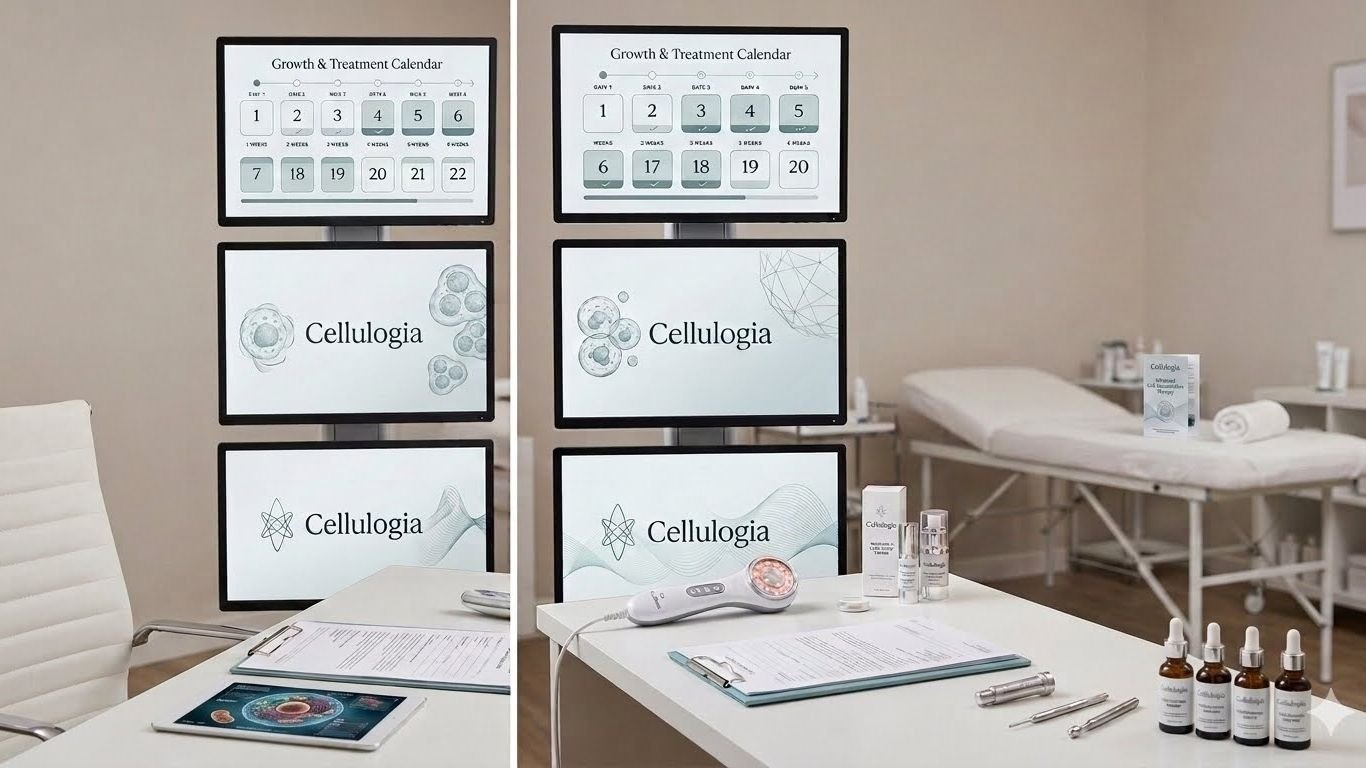
Cellulogia is a non-invasive body massage designed to improve the look of cellulite and uneven skin. It combines controlled vacuum suction with mechanical rolling movements. This action lifts, rolls, and massages the skin and nearby connective tissue.
The treatment is also called dermomassage, vacuum massage, or lipomassage in some beauty clinics. It is closely related to endermologie, a mechanical massage method developed in France during the 1980s.
Cellulogia does not require surgery, injections, or anesthesia. However, it should not be viewed as a permanent cellulite cure or a weight-loss treatment. Its main purpose is to make the treated skin look smoother for a limited period.
What Is Cellulogia?
Cellulogia is a machine-assisted massage used on areas with cellulite, puffiness, or loose-looking skin. A trained practitioner moves a treatment head across the body. The device gently pulls the skin upward while rollers massage the lifted tissue.
The word Cellulogia is used mainly by beauty clinics in parts of Europe. It is not a standardized medical specialty. Clinics may use different machines, suction settings, massage patterns, and treatment plans under the same name.
Because of these differences, results can vary between providers. The practitioner’s training, the device, the treatment strength, and the condition of the skin may all affect the experience.
How Does Cellulogia Work?
During a Cellulogia session, the machine creates negative pressure through a suction cup or treatment head. This pressure lifts a small fold of skin. Built-in rollers then move across the lifted area.
The process acts like a deep mechanical massage. It places controlled pressure on the skin, connective tissue, and superficial fat layer. This may temporarily increase local circulation and move fluid within the treated tissue.
The massage can also create a short-term plumping effect. This may make skin dimples look softer or less deep. According to the FDA, rolling or vibrating massage devices may temporarily improve the appearance of cellulite. The improvement may result partly from changes in fluid between fat cells.
Cellulogia is sometimes promoted as a treatment that “breaks down fat cells” or removes toxins. These statements should be treated carefully. Mechanical massage is not the same as medically proven fat destruction. Cellulite is also not caused by stored toxins.
What Causes Cellulite?
Cellulite is the dimpled or uneven texture often seen on the thighs, hips, and buttocks. It develops when fat pushes upward while fibrous connective bands pull parts of the skin downward.
This creates small hills and dips on the skin’s surface. Hormones, genetics, skin thickness, age, and connective tissue structure can all influence its appearance.
Cellulite is common and harmless. It can appear on people of many body sizes, including people who exercise regularly. Losing weight may make it less noticeable in some cases, but weight loss does not always remove it.
Because cellulite involves both fat and connective tissue, removing fat alone does not always correct the dimples.
What Are the Possible Benefits of Cellulogia?
The most common reason people choose Cellulogia is to improve the visible texture of cellulite. After treatment, the skin may look smoother, softer, or more even.
The rolling action may also reduce temporary puffiness caused by fluid buildup. Some clients report that their legs feel lighter after the massage. Others choose the treatment because they enjoy the deep massage sensation.
Cellulogia may offer the following cosmetic effects:
A temporary reduction in the visible depth of cellulite dimples.
A smoother appearance in treated areas.
Short-term improvement in tissue puffiness.
A temporary feeling of firmer or tighter skin.
Relaxation similar to other mechanical massage treatments.
These results are not guaranteed. The American Academy of Dermatology explains that several endermologie sessions may be needed, while visible changes can disappear after treatment stops. It also notes that FDA clearance of a device does not prove that the treatment will work for every person.
Can Cellulogia Remove Fat?
Cellulogia should not be described as a replacement for fat-loss methods. It may temporarily change the appearance or measurements of an area by moving fluid and compressing tissue. This does not mean that a meaningful amount of body fat has been removed.
The treatment does not produce the same biological effect as surgical liposuction or medical body-contouring technologies designed to damage fat cells.
A small reduction in body measurements after a session may be linked to fluid movement, swelling changes, or tissue compression. Measurements can return as the body’s fluid balance changes.
People seeking weight loss should focus on a sustainable eating plan, regular movement, strength training, sleep, and professional medical support when needed.
Which Areas Can Be Treated?
Cellulogia is commonly used on parts of the body where cellulite or uneven texture is more visible.
The thighs are among the most popular treatment areas. Practitioners may work on the front, inner, outer, or back sections of the thighs.
The buttocks are also frequently treated because cellulite often appears in this area. The abdomen, hips, waist, and upper arms may be included in a wider body session.
The treatment should not be used directly over injured skin, open wounds, painful veins, unexplained lumps, or active infections.
What Happens During a Cellulogia Session?
A session usually begins with a short consultation. The practitioner should ask about your health, medications, pregnancy status, circulation problems, and recent cosmetic procedures.
You may need to change into suitable clothing or wear a thin treatment suit. Some forms of dermomassage are performed directly on the skin, while certain endermologie systems use a fitted body garment.
The practitioner selects a suction level based on the treatment area and your comfort. The machine is then moved over the skin in repeated lines, circles, or lifting motions.
You may feel firm pulling and rolling. The feeling should remain manageable. Strong pain is not a normal goal of the treatment. Tell the practitioner immediately when the pressure feels sharp or excessive.
Session length depends on the area and the equipment. Many comparable mechanical massage treatments last around 30 to 45 minutes. Larger or multi-zone sessions may take longer.he
How Many Cellulogia Sessions Are Needed?
Beauty clinics often recommend a course rather than one appointment. A treatment plan may include around 10 to 15 sessions, although the exact number depends on the device, skin condition, target area, and provider.
Appointments may be scheduled once or twice each week at the start. Maintenance sessions may then be suggested every few weeks.
This schedule is not a universal medical standard. It is often based on the clinic’s protocol and the temporary nature of the results.
A 2009 study of LPG endermologie found only mild improvement in cellulite grading for a limited number of participants. Larger reviews have also concluded that no cellulite treatment has been established as a reliable permanent solution.
Are Cellulogia Results Permanent?
Cellulogia results are generally temporary. The skin may look smoother after several appointments, but the original texture can gradually return after treatment ends.
The Mayo Clinic notes that roller-based endermologie may create slight improvement after repeated sessions, but the results tend to be short-lived.
Maintenance appointments may help preserve the cosmetic effect. However, ongoing sessions can increase the total cost.
Regular exercise and strength training may improve muscle tone beneath the skin. A balanced diet and stable body weight can also support general skin health. These habits cannot guarantee cellulite removal, but they may improve the overall appearance of the area.
Is Cellulogia Painful?
Cellulogia is usually described as uncomfortable rather than painful. Many people feel a strong pulling, kneading, or pinching sensation.
Tender areas may feel more sensitive. High suction settings can also cause discomfort. A qualified practitioner should adjust the machine instead of continuing at a painful level.
Possible temporary side effects include redness, tenderness, mild swelling, or bruising. People who bruise easily may have a greater chance of visible marks.
Serious problems are uncommon when the treatment is performed correctly on a suitable client. Poor technique or excessive suction can increase the risk of tissue irritation and bruising.
Who Should Avoid Cellulogia?
Cellulogia is not suitable for everyone. A medical professional should be consulted when there is any doubt about circulation, blood clotting, skin disease, or an existing health condition.
The treatment is commonly avoided during pregnancy. It should also not be performed over open wounds, active skin infections, rashes, inflamed tissue, or recently injured areas.
Extra caution is needed for people with severe varicose veins, fragile capillaries, bleeding disorders, a history of blood clots, or anticoagulant medication.
Manufacturer guidance for endermologie also lists active cancer, inflammatory disease flare-ups, blood disorders, organ transplants, and kidney failure among important contraindications.
Recent surgery, cosmetic injections, or other body procedures may require medical clearance or a waiting period. Always give the practitioner accurate health information before treatment.
How to Choose a Cellulogia Provider
Choose a clinic that offers a proper consultation before accepting payment for a full course. The practitioner should explain which machine will be used and what training they have received.
Ask how the equipment is cleaned between clients. Treatment heads and reusable garments should follow clear hygiene procedures.
Be cautious when a provider promises permanent cellulite removal, major weight loss, or destruction of large amounts of fat. These claims do not match the limited evidence for mechanical massage.
A trustworthy practitioner should discuss realistic results, possible bruising, contraindications, costs, and the need for maintenance.
Before-and-after photographs should use similar lighting, posture, camera distance, and skin position. Different lighting can make cellulite appear much better or worse without any true physical change.
Cellulogia vs. Endermologie
Cellulogia and endermologie use similar principles. Both rely on suction and mechanical tissue movement.
However, endermologie is a registered treatment name linked to LPG equipment. Cellulogia is a broader clinic term that may refer to dermomassage performed with other vacuum-roller machines.
This means two Cellulogia treatments may not be identical. Suction strength, roller design, session length, clothing requirements, and treatment protocols may differ.
Clients should compare the actual machine and practitioner rather than relying only on the treatment name.
Bottom Line
Cellulogia is a non-surgical vacuum massage that may temporarily smooth the appearance of cellulite. It can also provide a deep massage feeling and reduce short-term tissue puffiness.
However, it does not permanently remove cellulite, melt large amounts of fat, or replace healthy weight-management habits. Results are often mild and require repeated treatments.
The safest approach is to choose a trained provider, disclose all medical conditions, and keep expectations realistic. Cellulogia may be useful as a cosmetic maintenance treatment, but it should not be sold as a permanent cure.
FAQs
What is Cellulogia used for?
Cellulogia is mainly used to improve the temporary appearance of cellulite, uneven skin texture, and mild puffiness. It combines vacuum suction with mechanical rolling massage.
Does Cellulogia really remove cellulite?
Cellulogia may make cellulite look smoother for a limited time. It does not permanently remove the connective tissue structure that causes cellulite dimples.
How long does a Cellulogia session take?
Many sessions last around 30 to 45 minutes. Treating several body areas may take longer, depending on the device and clinic plan.
Can Cellulogia help with weight loss?
No. Cellulogia is not a weight-loss treatment. Any short-term change in measurements may be linked to fluid movement or tissue compression rather than major fat loss.
How often should Cellulogia be performed?
Some clinics recommend one or two sessions each week during the first treatment course. Maintenance appointments may follow, but there is no single schedule that suits everyone.
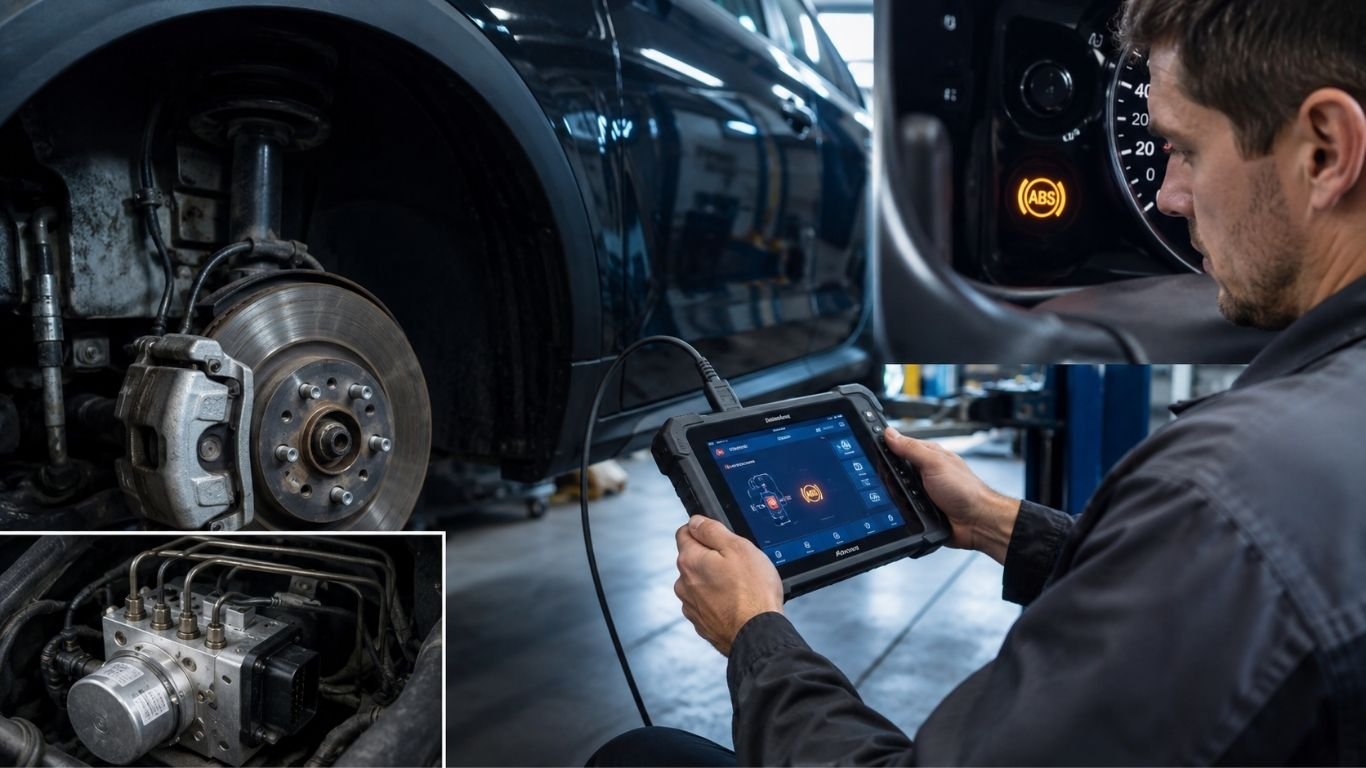
ABS Testauslösung is a diagnostic process used to test the main parts of a vehicle’s anti lock braking system. It allows a scan tool to send direct commands to the ABS control unit.
The test can activate the ABS pump, hydraulic valves, and other related parts. It helps a mechanic check whether each component responds as expected.
In English diagnostic software, ABS Testauslösung may appear under several different names. Common terms include ABS actuator test, ABS bi directional test, ABS component test, and ABS functional test.
What Does ABS Testauslösung Mean?
ABS Testauslösung is a German automotive term. It describes the controlled activation of ABS parts during a diagnostic test.
The word “Testauslösung” means test activation or test triggering. The process does not wait for the ABS to activate during hard braking. Instead, a diagnostic scanner sends a command directly to the ABS control module.
The control module then activates a selected part. This may be the pump motor, an inlet valve, an outlet valve, or a full bleeding routine.
The test is mainly used in workshops. It helps technicians find electrical, mechanical, and hydraulic faults in the braking system.
How Does ABS Testauslösung Work?
Modern vehicles use an electronic ABS control unit. This unit receives information from wheel speed sensors.
If one wheel slows down too quickly during braking, the control unit may reduce brake pressure at that wheel. This helps prevent the wheel from locking.
During ABS Testauslösung, the scan tool communicates with the ABS control unit. The scanner sends a special command to activate a selected component.
For example, a mechanic may choose the pump motor test. The control unit receives the command and runs the pump for a short time.
The mechanic can then listen to the pump, inspect live data, check voltage, or measure the electrical signal.
This process is called a bi directional test because information moves in both directions. The scanner receives data from the vehicle and sends commands back to it.
Common English Names for ABS Testauslösung
Different diagnostic tools may use different terms. The function can also appear in different menu locations.
Understanding these terms can help a technician find the correct test.
ABS Actuator Test
ABS actuator test is the most common English term for ABS Testauslösung.
An actuator is a part that performs a physical action after receiving an electrical command. In an ABS unit, the pump motor and solenoid valves are common actuators.
The scanner can activate one actuator at a time. This makes it easier to find the source of a fault.
ABS Bi Directional Test
An ABS bi directional test allows the scan tool to control ABS components.
A basic code reader can only read and clear fault codes. A bi directional scanner can also send commands to the vehicle.
This means the tool may run the pump, open valves, close valves, or start an automated bleeding process.
ABS Component Test
An ABS component test checks a single part of the system.
For example, the mechanic may test one hydraulic valve or the pump motor. This focused test can help confirm whether the part is receiving power and responding correctly.
ABS Functional Test
ABS functional test is a wider term. It may include several tests in one menu.
A functional test menu may offer pump activation, valve tests, brake bleeding, warning light checks, and control unit routines.
Which Parts Can ABS Testauslösung Check?
The exact options depend on the vehicle, ABS system, and diagnostic scanner. However, several tests are commonly available.
ABS Pump Motor Test
The ABS pump helps control hydraulic pressure inside the braking system.
During a pump motor test, the scanner commands the pump to run. The mechanic may hear a clear electric motor sound from the ABS hydraulic unit.
If the pump does not run, the cause may include:
- A damaged pump motor
- A blown fuse
- A faulty relay
- Broken wiring
- Low battery voltage
- A control unit fault
- A poor electrical connection
A silent pump does not always mean the motor is defective. The full electrical circuit should be checked before replacing any part.
Solenoid Valve Test
The ABS hydraulic unit contains inlet and outlet valves. These valves control brake fluid pressure at each wheel.
A solenoid valve test commands one or more valves to open and close. The technician may hear clicking sounds from the hydraulic unit.
A click can show that the valve received a command. However, it does not always prove that fluid can pass through the valve correctly.
A valve may still be blocked, dirty, or damaged inside. Further hydraulic testing may be needed.
ABS Pump Activation
ABS pump activation is another common scan tool menu term.
It is often used during diagnosis or brake bleeding. The function runs the hydraulic pump for a short period.
The scanner may also display safety instructions before the pump starts. The user should follow each instruction exactly.
Some vehicles require the brake pedal to be pressed. Others require a specific bleeding order.
Automated Bleed or ABS Bleed Mode
ABS bleed mode is one of the most useful ABS Testauslösung functions.
Air can become trapped inside the ABS hydraulic unit after brake repairs. Normal brake bleeding may not remove this air because the internal valves remain closed.
Automated bleed mode opens the valves and runs the pump in a planned order. This helps move trapped air out of the hydraulic unit.
The air can then travel into the brake lines. It can be removed through the brake caliper bleed screws.
ABS bleed mode may be needed after:
- Replacing the ABS hydraulic unit
- Opening a brake line
- Replacing the brake master cylinder
- Allowing the brake fluid reservoir to become empty
- Completing major brake repairs
- Finding a soft brake pedal after normal bleeding
The scan tool routine does not always complete the full bleeding job. Manual or pressure bleeding may still be required.
Why Is ABS Testauslösung Important?
ABS Testauslösung helps a mechanic test parts without driving the vehicle.
Without this feature, some faults may be hard to confirm. The ABS only activates during certain braking conditions. It may be unsafe to create those conditions on a public road.
A scan tool allows the system to be tested while the vehicle is in a controlled workshop area.
The test may help technicians:
- Confirm whether the ABS pump works
- Check valve operation
- Diagnose stored fault codes
- Test control unit outputs
- Inspect wiring and electrical circuits
- Complete ABS brake bleeding
- Confirm a repair
- Reduce unnecessary part replacement
It can save time and improve diagnostic accuracy.
What Tools Are Needed?
A basic OBD2 code reader usually cannot perform ABS Testauslösung.
The scanner must support the vehicle’s ABS control unit. It must also offer active tests, functional tests, or bi directional control.
Professional diagnostic systems from companies such as Bosch, Snap on, and Launch may include these functions.
However, support is not the same for every vehicle. A scanner may perform full ABS tests on one car but only read codes on another.
Before buying or using a tool, check:
- Vehicle make
- Vehicle model
- Model year
- Engine type
- ABS system type
- Scanner software version
- Active test support
- ABS bleed support
General ABS Testauslösung Process
The exact process is different for each vehicle. However, most tests follow a similar order.
First, the technician connects the diagnostic scanner to the vehicle’s OBD port. The ignition is then switched on.
The correct vehicle details are selected. The technician opens the ABS or electronic stability control menu.
Stored fault codes should be read before starting any active test. Live data may also be checked.
The technician then opens the actuator test or functional test menu. A component is selected, such as the pump motor or a solenoid valve.
The scanner displays instructions. These may ask the user to press the brake pedal, release it, or keep the vehicle stationary.
The test is started. The technician watches for component movement, sound, data changes, or warning messages.
After the test, the fault codes are checked again. The braking system should also receive a final safety inspection.
ABS Testauslösung and Normal Road Testing
ABS Testauslösung is not the same as a road test.
During an actuator test, the scan tool controls a selected component. The vehicle often remains stationary.
During a road test, the ABS reacts to real wheel speed and braking conditions.
An actuator test can confirm that the pump or valves respond to commands. A road test checks how the full system works during actual driving.
Both tests may be needed after a major repair. Any road test should be completed in a safe and controlled area.
Common Problems Found During ABS Testauslösung
The test may reveal several possible faults.
A pump that does not run may have an electrical supply problem. A valve that does not click may have damaged wiring or a failed solenoid.
The scan tool may also show a communication error. This can happen when the scanner does not support the vehicle or the ABS control unit has lost power.
Other possible problems include:
- Weak vehicle battery
- Faulty ABS fuse
- Damaged connector
- Corroded wiring
- Failed pump relay
- Internal hydraulic blockage
- Defective ABS control module
- Incorrect scanner selection
- Old diagnostic software
The test result should be studied with fault codes, live data, wiring diagrams, and physical checks.
Is ABS Testauslösung Safe?
ABS Testauslösung is safe when the correct tool and procedure are used.
However, the ABS is part of the vehicle’s main braking system. A wrong step can affect brake performance.
The vehicle should be secured before the test. The brake fluid level must be checked. Any leaks should be repaired first.
The test should stop if the scanner shows a warning or the brake pedal feels unusual.
After an ABS bleeding procedure, the pedal should feel firm. The vehicle should not be driven if the pedal feels soft or reaches the floor.
Complex ABS diagnosis should be handled by a trained technician.
Final Thoughts
ABS Testauslösung is an important diagnostic function for modern braking systems. It allows a compatible scanner to activate ABS components without waiting for emergency braking conditions.
The function may appear as an ABS actuator test, ABS bi directional test, ABS component test, or ABS functional test.
It can test the pump motor, solenoid valves, hydraulic unit, and automated bleeding process. This makes it useful for fault diagnosis, brake repairs, and final system checks.
The procedure should always follow the vehicle maker’s instructions. Since it controls critical brake parts, correct tools, safe working methods, and a full brake inspection are essential.
FAQs
What is ABS Testauslösung in English?
ABS Testauslösung is usually called an ABS actuator test. It may also appear as an ABS functional test, component test, or bi directional test.
Can a normal OBD2 scanner perform ABS Testauslösung?
Most basic OBD2 scanners cannot perform it. The scanner must support ABS active tests and bi directional control for the specific vehicle.
What does an ABS pump motor test do?
It sends a command to the ABS control unit and asks the hydraulic pump motor to run for a short time.
Is ABS bleed mode the same as normal brake bleeding?
No. ABS bleed mode activates internal valves and the pump. Manual or pressure bleeding may still be needed to remove air from the brake lines.
Can ABS Testauslösung repair an ABS fault?
The test does not normally repair the fault. It helps locate the problem and confirms whether a component works after repair.

What Is Tvlio? A Complete Guide to the Cloud Communication Platform

Cellulogia: How Vacuum Massage Works for Cellulite and Skin Firming

What Is ABS Testauslösung and How Does It Work?
-

 Technology2 months ago
What Is Nerwey? A Complete Guide To The Online Platform
-

 Celebrity5 months ago
Who Is Joseph Toney Biography? The Untold Story of Shaquille O’Neal’s Father
-

 Biography5 months ago
Who Is Renee Berry? The Untold Story of Halle Berry’s Half Sister
-

 Celebrity5 months ago
Who Is Rodney Tyson? The Untold Story of Mike Tyson’s Brother
-

 Celebrity5 months ago
Who Is Roslyn Jordan? All About Sister of basketball icon Michael Jordan
-

 Biography5 months ago
Who Is Jenna Shue? All About Elisabeth Shue’s Sister and Her Corporate Career
-

 Celebrity4 months ago
Married at Just 16: The Controversial First Marriage of Jerry Lee Lewis and Dorothy Barton
-

 Celebrity5 months ago
Who Is Kazembe Ajamu Coleman? A Complete Biography of Zendaya’s Father