
Celebrity
Who Is Joseph Toney Biography? The Untold Story of Shaquille O’Neal’s Father


Joseph Toney is widely known as the biological father of Shaquille O’Neal, but his life story goes far beyond that connection. While many people recognize his name through his famous son, Joseph Toney’s journey is deeply layered with early promise, serious struggles, and eventual personal transformation. His biography is not just about fame by association, but about how life circumstances, decisions, and resilience shape a person’s identity over time. His story stands as a powerful reminder that even those who fall can rebuild, and even fractured relationships can find healing.
Quick Bio
| Field | Details |
|---|---|
| Full Name | Joseph Toney |
| Nick Name | Joe Toney |
| Date of Birth | 1946 to 1949 (Estimated) |
| Age | Around 75 to 80 years old (as of 2026) |
| Birthplace | Newark, New Jersey, United States |
| Nationality | American |
| Ethnicity | African-American |
| Height | Approximately 1.85 m (6 feet 1 inch) |
| Weight | Around 80 to 90 kg (176 to 198 lbs) |
| Profession | Former basketball player, private individual |
| Known For | Biological father of Shaquille O’Neal |
| Education | High school graduate, offered Seton Hall scholarship |
| Ex/Partner | Lucille O’Neal |
| Children | Shaquille O’Neal and others (not publicly detailed) |
| Grandchildren | Shareef, Shaqir, Me’arah, Taahirah, Myles, Amirah O’Neal |
| Residence | Newark, New Jersey, United States |
| Net Worth | Estimated $100,000 to $500,000 |
Early Life in Newark New Jersey
Joseph Toney was born between 1946 and 1949 in Newark, New Jersey, a city known for its rich culture but also for its challenges during that era. Growing up in Newark meant facing economic hardship, exposure to crime, and limited access to structured opportunities. Despite this environment, Joseph Toney showed remarkable physical ability and athletic promise from a young age. Basketball quickly became his passion and his escape.
His early lifestyle revolved around neighborhood courts, school games, and the competitive street basketball scene. Like many young athletes in urban communities, sports gave him purpose and recognition. People around him saw his natural talent and believed he had the potential to rise beyond his circumstances through basketball.
Joseph Toney’s High School Basketball Talent and Promise
During his high school years, Joseph Toney developed into an exceptional basketball player. He earned recognition as an All-State guard, which is a significant achievement that reflects both skill and consistency. His speed, agility, and ability to read the game made him one of the standout players in Newark.
At this stage, Joseph Toney’s path toward success seemed almost certain. Coaches, teammates, and local fans believed he had what it took to move to the next level. His performances earned him a scholarship offer from Seton Hall University, a respected institution with a strong basketball program. This opportunity represented a turning point that could have dramatically changed his lifestyle and future.
College Opportunity That Changed Direction
The scholarship offer from Seton Hall University was a defining moment in Joseph Toney’s life. It presented him with a clear path toward higher education, structured athletic development, and potential professional opportunities. For many young athletes, such an offer is life-changing.
However, Joseph Toney did not follow through on this opportunity. Personal choices and external influences led him down a different path. Instead of stepping into a disciplined college environment, he became increasingly involved in street life. This shift marked the beginning of a difficult chapter that would shape the rest of his life story. The opportunity that once symbolized hope became a missed chance, altering his long-term success trajectory.
Struggles With Addiction and Legal Issues
Joseph Toney’s life took a serious downturn as he became involved in drug use, particularly heroin addiction. This struggle had a profound impact on his personal stability and decision-making. Addiction not only affected his health but also led to legal troubles and multiple incarcerations.
During this period, his lifestyle changed dramatically. Instead of focusing on growth and opportunity, his life became centered around survival and dealing with the consequences of his actions. These challenges prevented him from maintaining relationships, pursuing a career, or fulfilling his responsibilities as a father. His story during this time highlights how quickly potential can be lost when discipline and support are absent.
Relationship With Lucille O Neal
Joseph Toney was in a relationship with Lucille O’Neal during his teenage years. Their relationship resulted in the birth of their son, Shaquille O’Neal, on March 6, 1972. At the time, both were very young and navigating life under difficult circumstances.
Although they shared a connection, their relationship did not last. Joseph Toney’s struggles with addiction and legal issues made it impossible for him to provide stability. As a result, Lucille O’Neal took on the responsibility of raising their child, demonstrating strength and resilience in the face of adversity.
Fatherhood and Absence From Shaq’s Life
Joseph Toney’s role as a father was limited due to his personal challenges. He was largely absent from Shaquille O’Neal’s life starting when Shaq was just a baby. This absence became one of the most defining aspects of Joseph Toney’s biography.
For Shaquille O’Neal, growing up without his biological father meant relying on other figures for guidance and support. For Joseph Toney, it meant missing out on the opportunity to witness and participate in his son’s development. This separation created emotional distance that lasted for many years.
Phillip Harrison and the Father Figure Role
Phillip Harrison played a crucial role in shaping Shaquille O’Neal’s life. As a disciplined Army sergeant, Harrison provided structure, guidance, and strong values. He became the father figure that Joseph Toney could not be during that time.
The contrast between Joseph Toney’s lifestyle and Phillip Harrison’s disciplined approach highlights the importance of environment and mentorship. Harrison’s influence helped shape Shaq into not only a successful athlete but also a responsible individual.
Giving Up Parental Rights
After serving time in prison, Joseph Toney made the difficult decision to relinquish his parental rights. This allowed Phillip Harrison to legally and fully take on the role of Shaquille O’Neal’s father.
This moment was both heartbreaking and necessary. It reflected Joseph Toney’s recognition of his situation and his inability to provide a stable environment. While it marked a loss in terms of his role in the family tree, it also ensured that Shaq would grow up with the support he needed.
Shaquille O Neal Learning the Truth
Shaquille O’Neal learned about Joseph Toney as his biological father when he was around 11 years old. At first, he struggled to accept this reality. Having been raised by Phillip Harrison, Shaq already had a strong father figure in his life.
This discovery added complexity to Shaq’s understanding of his identity and family background. It also reflected the long-term impact of Joseph Toney’s absence on their relationship.
Public Mentions and Media Appearances
Joseph Toney occasionally appeared in the media, including a notable appearance on a talk show in the 1990s. During these appearances, he spoke openly about his past, his regrets, and his desire to reconnect with his son.
These public moments gave people insight into Joseph Toney’s personality and his awareness of his mistakes. They also highlighted his willingness to take responsibility and seek redemption.
Life After Addiction and Recovery
Over time, Joseph Toney began to rebuild his life. He moved away from addiction and worked toward stability. He took on various jobs, including working at a shelter in Newark, where he contributed to his community.
This period represents a turning point in his lifestyle. Instead of being defined by his past struggles, he began to focus on growth and recovery. While his journey was not easy, it demonstrated resilience and determination.
The Emotional Reunion in 2016
One of the most significant moments in Joseph Toney’s life came in 2016, when he finally reunited with Shaquille O’Neal. The meeting took place in Newark and was described as deeply emotional.
During the reunion, Shaq allowed Joseph Toney to wear his Hall of Fame ring. This gesture symbolized forgiveness and acceptance. It marked a new chapter in their relationship and showed that healing is possible even after years of separation.
What Is Joseph Toney’s Net Worth?
Joseph Toney’s net worth is modest compared to his son’s immense wealth. Estimates suggest it falls between 100000 and 500000 USD. His financial situation reflects a simple and private lifestyle.
Unlike Shaquille O’Neal, who built a global empire, Joseph Toney lived a quieter life focused on personal stability. His story shows that success is not always measured by money, but also by personal growth and redemption.
Family Tree and Extended Family
Joseph Toney’s family tree includes his son Shaquille O’Neal and several grandchildren. Through Shaq, he is connected to a large and well-known family.
His grandchildren include Shareef O’Neal, Shaqir O’Neal, Me’arah O’Neal, and others. Although Joseph Toney was not deeply involved in their early lives, his connection to them remains part of his extended family tree.
Height Weight Age and Physical Profile
Joseph Toney was known for his athletic build during his younger years. He stood approximately 1.85 meters tall and had the physical qualities of a strong basketball player.
As of 2026, he is estimated to be in his mid to late 70s. His physical traits, particularly his height and build, are often noted as characteristics passed on to Shaquille O’Neal.
Lifestyle and Private Living Today
Today, Joseph Toney lives a quiet and private lifestyle in Newark. He avoids media attention and focuses on maintaining peace and stability.
His current life is far removed from the challenges of his past. This transformation highlights the importance of change and personal responsibility.
Legacy and Success Story
Joseph Toney’s story is one of complexity. While he did not achieve traditional fame or financial success, his life carries important lessons. His journey from talent to struggle and then to redemption reflects the realities many people face.
His success lies in his ability to rebuild his life and reconnect with his son. His story serves as a reminder that even after mistakes, growth and forgiveness are possible.
Final Thoughts
Joseph Toney remains a significant figure because of his connection to Shaquille O’Neal and the powerful story behind it. His life reflects both the consequences of poor decisions and the possibility of redemption.
Through his experiences, Joseph Toney represents a meaningful narrative about life, responsibility, and second chances.
FAQs
Who is Joseph Toney?
Joseph Toney is the biological father of Shaquille O’Neal and a former high school basketball player.
What is Joseph Toney net worth?
Joseph Toney’s net worth is estimated between 100000 and 500000 USD.
How old is Joseph Toney?
He is estimated to be in his mid to late 70s as of 2026.
Did Joseph Toney reconnect with Shaquille O’Neal?
Yes, they reunited in 2016 after many years apart.
Who raised Shaquille O’Neal?
Shaquille O’Neal was raised by his mother Lucille O’Neal and his stepfather Phillip Harrison.
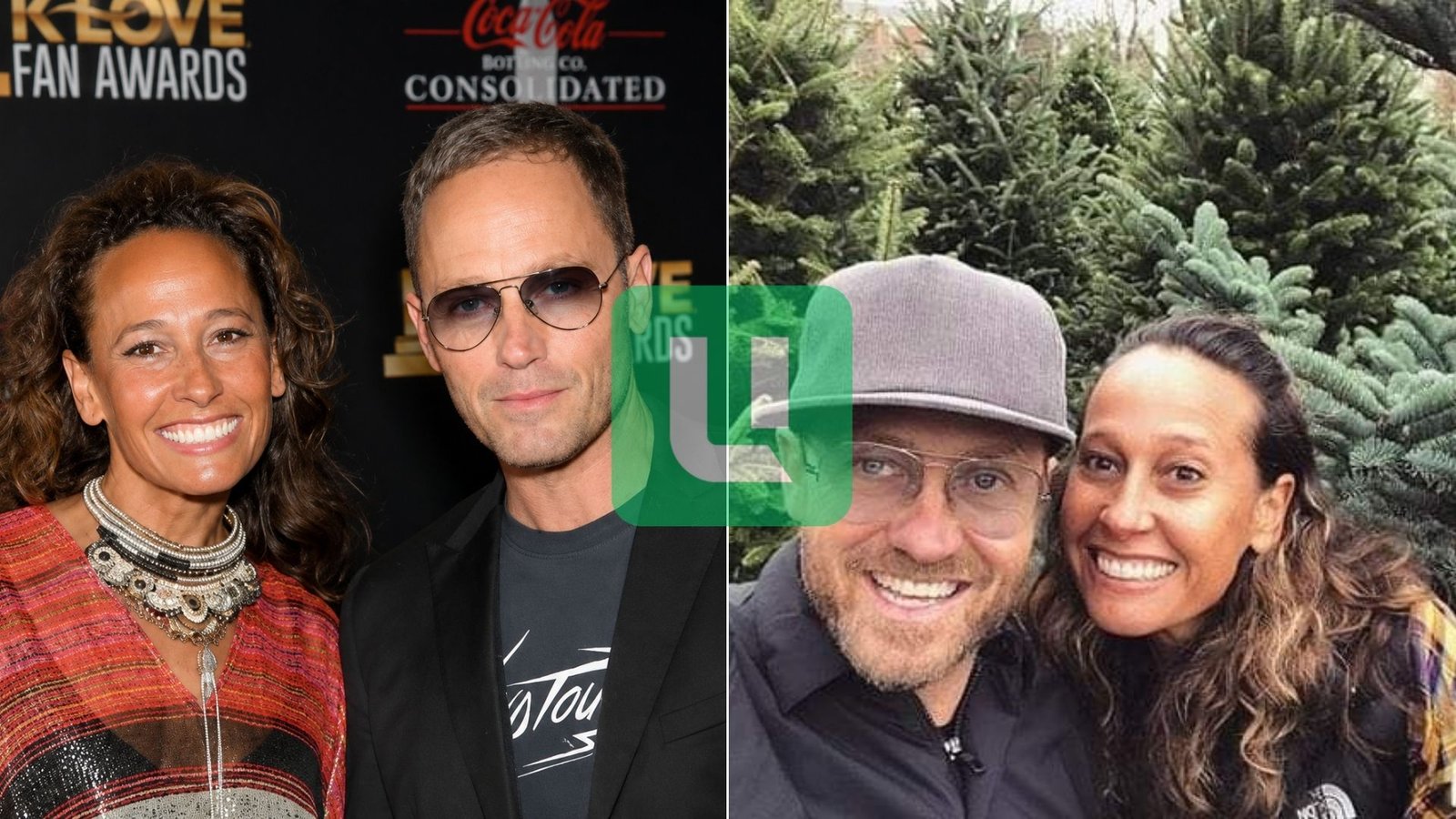
Amanda Levy McKeehan is a Jamaican American woman. She is best known as the wife of Christian singer TobyMac. She also supports charity work. She has spent many years caring for her family.
She was born on January 9, 1971, in Jamaica. Her Jamaican roots are still important to her. They shaped her family life and values. She keeps most details about her childhood and school life private.
Amanda and TobyMac have faced many hard times together. They raised five children. They also went through the loss of their son, Truett. Their marriage has stayed strong through faith, love, and family support.
Who Is Amanda Levy McKeehan?
Amanda is best known as the wife of Kevin Michael McKeehan, who performs under the name TobyMac. He first became famous as a member of the Christian music group DC Talk. He later built a major solo career in Christian hip hop, pop, rock, and gospel music.
Unlike her husband, Amanda did not build a career around concerts, music videos, or public interviews. She has mostly stayed away from the spotlight. Her public role has focused on family, faith, charity, and support for her husband’s work.
She sometimes appears with TobyMac at music events, award shows, and family programs. However, she does not treat fame as her main identity. Her private style has helped her keep a more normal home life despite her husband’s long career.
She is also linked to the charitable work created after the death of their oldest son. That work has become one of the most public parts of her life outside marriage and motherhood.
Amanda Levy McKeehan’s Age, Birthday, and Jamaican Birthplace
Amanda was born in Jamaica on January 9, 1971. She turned 55 years old in 2026. Her birth sign is Capricorn, though that detail has no proven link to her character or life choices.
Jamaica was more than her birthplace. It remained part of her adult identity. TobyMac has spoken about his wife’s Jamaican roots and the way her background brought new sounds, food, language, and family customs into his life.
The McKeehan family has also spent time in Jamaica over the years. These visits helped their children understand both sides of their family background. The home they formed did not follow only one culture.
Amanda’s Jamaican birth and American family life make her Jamaican American. Public sources do not clearly confirm when she moved to the United States or when she became an American citizen. Those details should not be stated as fact without firm records.
Amanda Levy McKeehan’s Parents and Family Roots
Amanda is widely reported to be the daughter of Robert Levy and Judy Levy. Her father has been linked to Jamaica Broilers Group, a major Jamaican food and agriculture company. He served in a senior leadership role within the business.
Her family background appears to have given her a close link to business, service, and Jamaican community life. However, Amanda has not shared a full public account of her childhood. There are few reliable details about her home, schools, or daily life as a young girl.
Public reports also do not provide clear information about all her siblings. Some online profiles present personal claims without strong proof. A careful biography should avoid copying those details as confirmed facts.
What is clear is that Amanda remained connected to her Jamaican family and culture after marriage. That bond later became an important part of the multicultural home she built with TobyMac.
Amanda Levy McKeehan’s Education and Early Adult Years
Very little confirmed information exists about Amanda’s formal education. Public records do not clearly name her schools, college, degree, or area of study. This lack of detail is not unusual because she was not a public figure before her marriage.
Some celebrity websites describe her as an entrepreneur or businesswoman. Others have linked her to real estate activity. However, there is not enough firm public evidence to give a full career history or list exact business titles.
Her early adult years became more visible through her relationship with TobyMac. Their connection began before his solo career reached its highest level. This means she knew him during a period of growth, change, and heavy travel.
Amanda’s private record also shows that she did not use her marriage to build a large media brand. She chose a quieter path. Her main public work grew around family life and later charity efforts.
How Amanda Levy McKeehan Met TobyMac
Amanda and TobyMac have often been described as college sweethearts. The exact place and date of their first meeting are not fully detailed in trusted public records. Still, their relationship began before they married in 1994.
At that time, TobyMac was building his place in Christian music. DC Talk had formed during the late 1980s and became one of the best known Christian music groups of the 1990s. His growing career brought tours, recordings, fans, and long periods away from home.
Amanda entered the relationship before many of the later awards and major solo albums. She therefore saw both the early struggle and later success. Their marriage did not begin after fame was already secure.
Their different cultural backgrounds also shaped the relationship. TobyMac came from Virginia, while Amanda came from Jamaica. They had to learn how each person viewed family, communication, faith, and home life.
Amanda Levy McKeehan and TobyMac’s 1994 Wedding
The couple married in 1994. Public reports do not provide a widely confirmed wedding date, location, guest list, or detailed ceremony record. Their wedding was far more private than many modern celebrity weddings.
Their marriage began during TobyMac’s years with DC Talk. The group’s success meant that he spent much of his time recording and performing. Amanda had to adjust to a life in which work could take her husband away for long periods.
Marriage also required them to deal with cultural differences. In a past family interview, they spoke about the stress that can come when two people enter marriage with different customs and ways of speaking.
They did not present their relationship as perfect. Instead, they described growth, patience, and faith as key parts of staying together. That honesty makes their marriage more real than a polished celebrity image.
Amanda Levy McKeehan’s Multicultural Marriage
Amanda’s Jamaican roots played a major role in the McKeehan home. TobyMac has said that his wife introduced him to parts of Jamaican culture, including its music, speech, food, and strong family ties.
Their marriage brought together two national backgrounds. This could create tension, but it also gave their children a wider view of identity. The family did not have to choose between being Jamaican or American.
The couple learned that love alone does not solve every cultural gap. Words, tones, habits, and family rules can carry different meanings. They had to listen and understand why the other person reacted in a certain way.
Faith also gave them common ground. Both have spoken through their public life about Christian belief, prayer, family duty, and service. Their shared beliefs helped guide them when their backgrounds did not match.
This multicultural bond also influenced TobyMac’s music. His work often blends different styles and celebrates unity. It would be unfair to credit all of that to his wife, but her culture clearly became part of his personal world.
Amanda Levy McKeehan’s Five Children
Amanda and TobyMac became parents to five children. Their children are Truett Foster McKeehan, Moses, Marlee, Leo, and Judah. The family includes four sons and one daughter.
Their oldest child, Truett, was born on September 4, 1998. He showed an early interest in music and appeared on some of his father’s recordings. He used names such as TruDog and later worked under the name TRU.
Amanda and her husband adopted twins, Moses and Marlee, in 2002. The twins joined the family at birth. Amanda and TobyMac raised them with the same love and care as their other children.
Leo was born in 2004, while Judah was born in 2006. As the children grew, some appeared in music projects or public family moments. Still, Amanda and TobyMac tried to protect much of their daily life.
Parenting five children while managing a touring music career required planning and teamwork. TobyMac has publicly praised his wife’s work at home and her role in keeping the family strong.
Amanda Levy McKeehan’s Experience With Adoption
The adoption of Moses and Marlee added another meaningful part to the family. The twins joined the McKeehan household at birth. They grew up with Truett and later welcomed younger brothers Leo and Judah.
Adoption is personal, and the family has not released every private detail. They have not turned the twins’ early story into public entertainment. This choice gave Moses and Marlee more control over their own lives.
The couple’s family also reflected the message of unity that TobyMac often shared through music. Their home included different races, cultures, and personal needs. Yet their public comments focused on belonging rather than difference.
Moses has faced muscular dystrophy, according to widely reported information. The family has kept many details about his health private. It is important not to make claims about his current condition without direct confirmation.
Amanda’s role as a mother included caring for children with different needs and backgrounds. Her work was mostly unseen, but it shaped the family that TobyMac often called his greatest source of support.
Amanda Levy McKeehan Faced the Loss of Her Son Truett
The hardest public event in Amanda’s life came on October 23, 2019. Her oldest son, Truett, died at age 21 in Nashville. His death was later ruled an accidental overdose involving fentanyl and amphetamines.
Truett had been building his own music career. He had also appeared on several of his father’s projects. His loss affected the whole family and brought TobyMac’s touring plans to a stop.
Amanda and her husband thanked fans for their support after the death. They did not hide their grief, but they also kept many parts of it private. No parent should be expected to explain every part of such pain in public.
TobyMac later wrote songs about grief, faith, anger, memory, and hope. His song “21 Years” directly honored Truett. Later albums also explored the long path through loss.
Amanda did not release a large public account of her grief. Her quiet response was still powerful. TobyMac has said that his wife, children, faith, and songwriting helped him continue living after their son’s death.
Amanda Levy McKeehan and the Truett Foster Foundation
After Truett died, Amanda and TobyMac helped start the Truett Foster Foundation. They created it to honor their son. The group also helps young people who want to work in music and art.
The foundation gave the family a positive way to remember Truett. Music was a big part of his life. He also wanted to build his own path as an artist.
This project also shows Amanda’s work as a philanthropist. She did more than give her name to the group. The cause came from a deep and painful family loss.
Charity cannot end grief. Still, it can help people use their pain for a good cause. By helping young artists, the family keeps Truett’s memory alive.
The foundation does not share many details about its money or programs. Its main goal is clear. It honors Truett and supports young creative people.
Amanda Levy McKeehan’s Role in TobyMac’s Career
Amanda is not listed as the main creator behind TobyMac’s albums. She is not known as his manager, producer, or songwriter. Still, her influence can be seen in the stable home and personal support around his career.
A touring artist often faces long travel, public pressure, and changing work hours. Raising five children during that kind of career takes effort from both parents. TobyMac has openly said that he could not be the same person without his wife.
She also helped him stay connected to family life outside music. Fame can make an artist’s public identity feel more important than private duties. Amanda appears to have helped keep home life at the center.
TobyMac’s work often speaks about marriage, fatherhood, faith, cultural unity, and grief. Those subjects came from real experiences. Amanda shared many of those experiences with him, even when she did not appear on stage.
In 2025, TobyMac called his wife “everything” to him and said they still adored each other. His statement showed that their bond remained strong after more than 30 years of marriage.
Amanda Levy McKeehan’s Private Lifestyle and Public Appearances
Amanda sometimes joins her husband at music events and award shows. Still, she does not seek the spotlight. She prefers a quiet and private life.
She has not built a career in film, music, or television. She also gives very few interviews. This has caused some websites to publish claims without proof.
Her private life does not mean she does nothing. She spends much of her time with her family. She also supports charity work and community causes.
Amanda has stayed away from public drama. There are no trusted reports of divorce, court fights, or cheating claims in her marriage.
That does not prove their marriage has never faced stress. Every long marriage has private challenges. It only means that rumors should not be treated as facts when no strong evidence supports them.
Amanda Levy McKeehan’s Estimated Height, Weight, and Net Worth
Amanda has not shared her exact height or weight. No trusted public record gives these details. Most numbers online are only estimates.
Her height is estimated at about 5 feet 5 inches. Her weight is estimated at about 130 pounds. These figures may not be exact.
Amanda’s net worth is also not public. Some reports estimate it between $1 million and $3 million. However, no official record confirms this amount.
She may earn money from private business work, family assets, and property. The full details of her income are not known.
TobyMac has earned money from albums, tours, and music rights. His wealth is separate from Amanda’s personal net worth.
Amanda’s estimated net worth is between $1 million and $3 million. This figure is only an estimate because her real finances remain private.
Where Is Amanda Levy McKeehan Today?
Amanda continues to live a mostly private family life. She remains married to TobyMac, and there is no trusted public report of a separation or divorce as of 2026.
The family has long been linked to the Nashville and Franklin area of Tennessee. TobyMac’s music work is based in the region, and several of their children have reached adulthood.
In 2025, TobyMac said that his wife and children remained central to his healing. He also explained that some of their children were in college or living away from home. This shows that Amanda’s role has changed as the family entered a new stage.
She is no longer raising five young children under one roof. She is now the mother of adult and near-adult children. She also carries the lasting memory of Truett while supporting the rest of the family.
Amanda still keeps her life private. She now spends most of her time with her family. She also supports the charity made in memory of her son.
Final Thoughts on Amanda Levy McKeehan
Amanda’s life cannot be reduced to the phrase “TobyMac’s wife.” That description explains why she became known, but it does not show the full weight of her story.
She grew up with Jamaican culture. She later built a life in the United States. Both cultures became part of her home and family life.
She and TobyMac raised five children together. They also adopted twins. One of their sons had special health needs. In 2019, they faced the painful loss of their oldest son.
Their marriage has lasted for more than 30 years. Still, their life has not always been easy. They had to balance work, parenting, and family needs.
They also came from different cultures. At times, this created stress in their home. Later, grief brought them even more pain. They stayed close and faced these hard times together.
Amanda chose privacy rather than constant publicity. She did not turn family pain into a personal media brand. Instead, she supported charity work and remained close to her husband and children.
Her quiet role may explain why public details about her life remain limited. Yet the known facts show a woman whose strength is tied to family, faith, service, and survival.
FAQs
How old is Amanda Levy McKeehan?
Amanda was born on January 9, 1971, in Jamaica. She is 55 years old in 2026. She has not shared many facts about her early life.
Is Amanda Levy McKeehan still married to TobyMac?
Yes, she is still married to TobyMac. They got married in 1994. They have stayed together for more than 30 years.
How many children do Amanda and TobyMac have?
They have five children. Their names are Truett, Moses, Marlee, Leo, and Judah. Moses and Marlee are adopted twins. Truett died in 2019 at age 21.
What does Amanda Levy McKeehan do?
Amanda works in charity and family projects. She is also known as a private businesswoman. Her exact job and business details are not public.
What is Amanda Levy McKeehan’s net worth?
Her net worth is not confirmed. Some sites place it between $1 million and $3 million. This amount is only an estimate.
You might like that: All About Kenny Rogers Jr.: The Untold Story of the Musician, Actor, and Son of a Legend

Anne Steves became known through her marriage to Rick Steves, the American travel writer and television host. Rick built a large career around trips to Europe. Anne took a much quieter path. She spent many years beside him while his travel work grew. She also helped raise their two children. Reports often link her to nursing and social work, but she has shared few details about her life.
This difference makes many people curious about her. Rick appeared on television and wrote many travel books. He also led tours, taught classes, and grew a travel company. His former wife stayed away from most public events. She did not try to become famous through his name. She also did not share private stories about their marriage after it ended.
Much of Anne’s life is still private. Her exact birth date, education, work history, and current home are not clear. Some websites list firm details, but many do not give proof. A fair account should not turn guesses into facts. What is known is simple. She shared a long marriage with Rick, raised two children, and later built a life outside the public eye.
Who Is Anne Steves?
Anne is an American woman best known as Rick Steves’ former wife. Rick is a well-known travel writer, guidebook author, teacher, and television host. His work has helped many Americans plan trips across Europe.
Public profiles often call Anne a nurse, mother, and supporter of social causes. These reports suggest that she chose work based on care and service. However, full records of her jobs are not open to the public.
Her marriage placed her close to Rick’s growing travel career. During their years together, his work grew from local classes into books, tours, radio, and television. He later became one of the best-known travel experts in the United States.
It is not clear whether Anne held a formal job in his company. There is no strong public record showing that she worked as a manager, owner, or company leader. She may have helped him in private ways, but that is not the same as holding a business role.
Anne stands out because she did not use the marriage to seek fame. She did not publish a book about Rick. She did not build a public brand after the divorce. She stayed quiet and kept most of her personal life away from the media.
That choice has shaped how people see her today. She is linked to a famous man, but she has never acted like a celebrity. Her story is mainly about family, private work, and a long effort to protect her own space.
Anne Steves Before Fame Entered Her Life
Very little is known about Anne’s early years. Reliable public records do not give her full birth date. They also do not clearly name her birthplace, parents, or siblings.
Some websites list a birth year or hometown. Yet many of those pages copy one another. They often do not show where the details came from. For that reason, such claims should be treated with care.
Anne is widely described as American. Her adult life became closely tied to Washington State, where Rick built his home and travel business. Still, it is not clear whether she was born or raised there.
Her family background also remains private. There is no trusted public account of her parents’ jobs, her childhood home, or her family’s culture. Her ethnic background has not been clearly confirmed either.
This lack of detail is not unusual. Anne did not become known because of a public career. She became known because she married a man who later gained national fame.
Most private people do not expect their childhood to become public. They do not save records for future news stories. They also do not ask reporters to study their family history.
Anne’s early life should not be filled with made-up facts. It is better to accept that this part of her story remains unknown. That approach is honest and respects her privacy.
What can be said is that she lived a normal life before fame reached her family. She later entered a marriage that became tied to a growing travel company and a public television career.
Anne Steves’s Education and Nursing Background
Anne is often described as a nurse. This detail appears in many public profiles about her. However, her full education history is not clearly recorded.
Nursing work usually requires study, training, and a license. A nurse must learn how to care for patients and follow medical rules. The work also calls for patience, focus, and calm thinking.
No trusted source has clearly named the school Anne attended. Her graduation year is also not known. There is no firm record of a nursing degree or a special field of care.
Some online pages give exact details about her education. Yet they often fail to show proof. It would be wrong to name a college or program without a strong public record.
Her reported nursing work still tells us something useful. It suggests that she had a life outside her marriage. She may have worked in a field based on care and direct service.
The exact place of her work is not clear. She may have worked in a hospital, clinic, care home, or another health setting. No public document gives a firm answer.
Her years of service are also unknown. It is not clear whether she worked full time, part time, or only during certain parts of the marriage.
A safe way to describe her career is simple. She is commonly reported to have worked as a nurse, but the details remain private.
That statement avoids two common mistakes. It does not erase her work, and it does not invent achievements that cannot be proved.
Anne Steves and Her Work as a Nurse
Nursing is one of the strongest details linked to Anne’s public image. The work often demands long hours and great care. Nurses help people during pain, fear, illness, and recovery.
A person in this field must be able to listen. She must also act with speed when a patient needs help. These skills may explain why Anne is often described as calm and grounded.
Still, the public does not know her exact nursing role. No trusted record names a hospital or health center where she worked.
Her area of care is also not known. She may have worked with children, adults, older patients, or families. Any exact claim would be a guess.
It is also not clear if she continued nursing after the divorce. She may have stayed in health care, retired, or moved into another type of work.
Her career was very different from Rick’s public work. He spent time filming, teaching, writing, and traveling. She reportedly worked in a field that focused on close and direct care.
One path brought public fame. The other likely brought private value. Both types of work can be important, even if only one appears on television.
Anne never used nursing as a way to build a public image. She did not give many interviews about the field. She also did not appear to seek awards or press coverage.
This quiet path matches the rest of her life. She seems to have valued useful work more than public praise.
Her reported career also shows that she was more than a famous man’s wife. She had her own skills, duties, and daily routine.
Anne Steves and Her Interest in Social Causes
Anne has also been described as a social activist. This term can mean many things. It may include charity work, church service, health support, or help for local families.
No strong public record names a group that she led. There is also no clear list of causes that she supported.
For that reason, it is best not to call her a national activist. That label may suggest public speeches, protests, or leadership in a large movement.
A more careful view is that she reportedly cared about social issues. She may have helped through local or private service.
Her nursing background would fit that image. Nurses often see the effects of poverty, poor health, and weak support systems.
Rick later became known for his own social views. He has spoken about hunger, housing, travel, and public duty. He has also supported several causes through his work.
It may be easy to assume that Anne shared all of his views. Yet there is not enough proof to say that. Her personal beliefs should not be written for her.
She may have supported some of the same causes. She may also have had her own interests. The public record does not give a full answer.
Quiet service often leaves little online proof. A person may help at a local center or support a family without making a public post.
That may explain why her social work is hard to track. The lack of headlines does not mean the work had no value.
Anne’s public image remains tied to care, family, and service. These themes appear often, even though the exact details stay private.
How Anne Steves Met Rick Steves
The full story of how the couple met has not been confirmed. Some websites give romantic stories, but they often do not name a direct source.
There is no firm public record of the exact date or place of their first meeting. The details of their first date are also unknown.
What is clear is that they formed a serious bond before Rick reached his highest level of fame.
Rick started his travel work on a small scale. He taught classes and shared travel tips with people who wanted to visit Europe.
He later wrote guidebooks and built organized tours. His career grew step by step rather than all at once.
Anne knew him during this period of growth. She did not meet him after he became a rich and famous television host.
This point gives their story useful context. The couple built a life while Rick was still turning a strong interest into a full career.
Travel work can look fun from the outside. Yet it also takes long hours, careful plans, and time away from home.
Anne likely saw the harder side of that work. She lived with the travel dates, writing tasks, and business pressure that viewers did not see.
Some profiles say the pair dated for years before marriage. That may be true, but the full courtship timeline is not clear.
No public record gives the date of an engagement. The size of the wedding and the guest list are also not widely known.
Their meeting remains one of the least clear parts of the story. The safest fact is that their relationship began before Rick became a national travel figure.
Anne Steves and Rick Steves’s Long Marriage
Anne and Rick married in the 1980s. Public reports do not agree on the exact year. Some list 1983, while others list 1984.
Since the dates do not match, the exact wedding year should not be treated as fully settled. What is clear is that the marriage lasted more than two decades.
During those years, the couple built a home and raised two children. They also lived through the fast growth of Rick’s travel career.
His work moved from local travel classes into books, tours, radio, and public television. The family had to adjust as his name became more widely known.
Rick often traveled for research and filming. Those trips helped his work, but they also took him away from home.
Anne appears to have stayed outside the main business spotlight. She did not become a regular host or public face of the company.
She may have helped keep the family home stable while Rick traveled. Many spouses do this kind of work without a title or salary.
Still, there is no public record that explains exactly how the couple divided duties. It would be unfair to write private details as fact.
Their marriage lasted through many changes. They moved from a less public life into one shaped by books, tours, cameras, and fans.
Rick made a brief family comment in a 2007 blog post. He wrote that he and his wife were becoming empty nesters. This showed that their children were growing up and leaving home.
The comment offered a small look at their later family life. It also came only a few years before the marriage ended.
Anne did not speak often about the marriage. Her silence has made it hard to know how she viewed those years.
Anne Steves’s Role During Rick’s Career Growth
Rick’s travel work began before the marriage. Yet it grew greatly while the couple were together.
He became known for teaching people how to travel in a smart and simple way. He urged travelers to learn from local life rather than stay inside tourist areas.
His company sold tours and guidebooks. It also offered classes, TV shows, radio shows, and online travel tools.
Some online articles say Anne helped build the business. This may sound likely, but the exact details are not known.
There is no trusted public record showing that she held a company title. She is not widely listed as an owner, director, or manager.
That does not mean she gave no support. A spouse can help a growing career in many quiet ways.
She may have cared for the home, supported the children, or adjusted plans around long trips. These duties can make a demanding career possible.
However, even those ideas should be stated with care. The public does not know the exact duties inside their home.
It is fair to say that Anne lived through the company’s major growth. It is not fair to call her an executive without proof.
Rick’s public success also came with pressure. Each book needed updates. Each tour needed planning. Each show needed filming and editing.
The finished work looked smooth to viewers. The process behind it likely took large amounts of time.
That kind of schedule can affect a marriage. Time away may create stress, even when the work brings money and respect.
Anne stood close to the rise of a major travel brand. Yet she remained mostly unseen by the public.
Her place in that story is personal rather than corporate. She was part of the family life around the business, not a known public leader of it.
Anne Steves as a Mother of Two Children
Motherhood is one of the clearest parts of Anne’s life. She and Rick have two children, Andy Steves and Jackie Steves.
Both children grew up while their father’s public career was becoming larger. Travel was a normal part of family life.
Rick spent much of his work life studying Europe. He wrote about its cities, art, food, history, and people.
The children were able to see parts of that world through family trips. Rick later shared some of those journeys in his travel content.
Anne appears to have protected them from too much public attention. The family did not turn daily life into a television show.
Private details about the children’s early years were rarely shared. Their school life, home rules, and family problems stayed mostly private.
This likely gave them space to grow without constant public pressure.
Raising children while one parent travels can be hard. Daily needs do not stop because a parent is filming in another country.
Meals, school, health, and home duties still need care. Anne may have carried much of this work, but the exact split of duties is not known.
A mother’s role is often hard to measure. It appears in support, advice, safety, and the habits children learn over time.
Anne’s public story often gives her the role of the steady parent at home. That image may be partly true, but it should not be expanded beyond known facts.
What can be said is that she helped raise two children during a busy stage in the family’s life.
Her children remain an important part of her story. Their growth also marked a new stage in the marriage as they moved into adult life.
Anne Steves and Her Children Andy and Jackie
Andy followed the family’s strong link to travel. He later built work aimed at students and young adults who wanted to visit Europe.
He founded a travel business and wrote a guide for younger travelers. His style placed more focus on low-cost trips and city life.
His work shows that travel shaped him from an early age. He took a family interest and made it part of his own career.
Jackie also appeared in family travel posts. Rick shared stories about trips involving his children, including journeys outside Europe.
These posts showed that both children took part in family travel. They did not only hear about their father’s trips from home.
Anne’s current bond with Andy and Jackie is not widely discussed. There is no trusted public report of a serious family conflict.
At the same time, there is not enough public information to describe their private talks or daily relationship.
It is safest to say that both children remain central to her life story. The details of their present family life belong to them.
The children also grew up without becoming tabloid figures. This suggests that both parents placed limits around public access.
Andy chose a career with some public attention. Jackie has kept a lower profile.
Their different paths show that children from a known family can make their own choices.
Anne’s role in their adult success cannot be measured by job titles or public praise. Her impact may appear in the support and care she gave while they were growing up.
That kind of influence often remains private. It still forms an important part of a parent’s life.
Why Anne Steves and Rick Steves Divorced
The marriage ended in 2010. The former couple did not give a full public account of the breakup.
Reliable profiles confirm the divorce. They do not provide one clear cause.
This lack of detail led many websites to guess. Some claimed that work stress, distance, or another relationship caused the split.
These ideas should not be treated as facts. Neither former spouse has publicly proved a major scandal.
A long marriage can end for many reasons. People may grow apart. Their needs may change. Work can also place stress on the home.
Rick later spoke about the cost of his travel career. After a cancer diagnosis, he said that travel writing had not been good for his family. He also noted that he got divorced.
His words show that work likely placed pressure on family life. Yet they do not tell the whole story.
They also do not place all blame on one person. A marriage involves two people and many private moments.
Anne did not give a public answer to his comment. She also did not use the divorce to attack him in the media.
There is no clear record of a bitter public court fight. The terms of the divorce stayed private.
Property, money, and support details were not widely shared. The public also does not know how the couple handled private family talks.
Their choice to stay quiet may have protected their children. It also stopped the breakup from becoming a long media event.
The honest answer is simple. They divorced after a long marriage, but the full reasons remain private.
A lack of detail should not become a space for rumor. It should be treated as a clear limit in the public record.
Anne Steves’s Life After the Divorce
After the divorce, Anne stepped even further away from public life. She did not start a media career.
She did not publish a book about the marriage. She also did not give regular interviews about Rick.
Her current home is not publicly confirmed. She has long been linked to the Pacific Northwest because of the family’s life in Washington.
Still, it would be wrong to name her present town or address without proof.
Her current work is also unclear. She may have continued in nursing or community service.
She may have retired or chosen a new path. There is no trusted public statement that gives a firm answer.
Her present relationship status is also private. No reliable source confirms a new husband, partner, or boyfriend.
Some websites call her single because they cannot find new marriage records. That is not enough proof.
A private person may date, marry, or remain single without making a public notice. Silence does not prove any one choice.
Anne’s life after divorce appears calm and private. She did not use her former husband’s fame to stay in the news.
That choice may show that she wanted control over her own story. It may also show a wish to protect her family.
People still search for her because Rick remains famous. His television work, books, and public talks continue to reach a large audience.
Yet public interest does not remove her right to privacy.
Her long silence is one of the clearest facts about her later life. She appears to have made a firm line between her private world and Rick’s public career.
Anne Steves’s Estimated Age, Height, and Weight
Anne’s exact age is not confirmed by a strong public record. Many websites list a birth year, but most do not show clear proof.
For that reason, any current age should be called an estimate. A firm number may give readers false trust.
Her exact height is also unknown. Online profiles often list a height in feet and inches.
These numbers may come from guesses based on old photos. That is not a safe way to report a fact.
The same issue applies to her weight. Weight changes over time and should not be guessed from an image.
No trusted interview or public form gives a confirmed number.
It is better to leave these details open than to repeat false figures. A private person does not owe the public body measurements.
Photos from her marriage show a neat and natural style. She often appeared calm beside Rick during public moments.
Beyond that, there is little value in making detailed claims about her looks.
Her story is more meaningful when it focuses on her choices, family, and private work.
Age and body details often appear in celebrity profiles because they attract clicks. Yet they do not always help readers understand a person.
In Anne’s case, the most accurate wording is clear. Her age, height, and weight have not been publicly confirmed.
Anne Steves’s Net Worth and Financial Privacy
Anne’s personal net worth is not publicly known. Websites that list an exact amount often fail to show proof.
A real net worth estimate would need clear information about income, savings, property, debt, and investments.
Those records are not open to the public.
Her reported nursing career may have given her an independent income. Her long marriage to a successful businessman may also have affected her finances.
However, the divorce terms remain private. No public record clearly shows what money or property she received.
It would be wrong to give her the same wealth as Rick. His career income and business value do not automatically belong to his former wife.
Marriage can create shared assets. Yet the final division depends on legal terms, property records, and private talks.
None of those details are clear in this case.
Some online profiles give estimates in the millions. These numbers may sound believable, but they are not well supported.
A large figure should not be used only because she once married a famous and successful man.
Her current finances could also depend on many private factors. These may include later work, savings, property, or family choices.
Without those facts, a useful estimate cannot be made.
The most honest answer is that her net worth remains private. That answer may sound less exciting, but it is more accurate.
Money does not need to define her story. Her life can still matter without a public financial figure.
Where Is Anne Steves Today?
Anne’s current location is not publicly known. No trusted recent report gives a confirmed home or city.
She may still live in Washington State or another part of the United States. There is not enough proof to choose one answer.
She also does not appear to run a verified public social media page.
This makes it hard to follow her daily life. There are no clear public updates about work, travel, or family events.
Her current health is also private. No reliable report gives details, and such matters should not be guessed.
She may still have contact with Rick because they share two adult children. Yet their current personal relationship is not publicly explained.
There is no strong report of open conflict between them. There is also no proof that they are close friends.
They may simply keep family matters away from public view.
Rick remains active in travel media. He still writes, teaches, speaks, and appears in public.
Anne has chosen a very different path. She remains known, but she is not active in celebrity culture.
Her present life may involve family, friends, service, or retirement. These are only possible paths, not confirmed facts.
The public record ends at a clear point. She lives privately and has not shared many recent details.
That choice deserves respect. Being the former wife of a public figure does not make every part of her life public property.
Final Thoughts on Anne Steves
Anne’s story sits close to fame, but she never made fame her main goal. She spent many years married to a man whose work reached millions of people.
During the marriage, Rick built a major name in American travel media. He wrote books, led tours, taught classes, and appeared on television.
Anne helped raise their two children during those busy years. She is also widely reported to have worked as a nurse.
Her exact role in Rick’s company is not known. She should not be called a business leader without proof.
At the same time, her private support should not be ignored. Long careers often depend on help that never appears in a public job title.
The couple’s marriage lasted more than two decades. They later divorced in 2010.
The full reason for the divorce remains private. Claims about cheating or major scandal have not been firmly proved.
After the breakup, Anne stayed away from the media. She did not sell private stories or build a public image from the divorce.
That quiet choice says a great deal about her. She appears to value privacy, family, and control over her own life.
Many details remain unknown. Her exact age, education, work history, current home, relationship status, and finances are not clear.
Those missing facts should not be replaced with guesses. A good biography must know when to stop.
Anne remains best known as Rick Steves’ former wife. Yet she was also a mother and a woman with her own reported career.
Her life shows that a person can stand close to a famous career without becoming a public figure.
She shared a long and important part of Rick’s journey. Then she chose a quieter path after their marriage ended.
Frequently Asked Questions About Anne Steves
What is Rick Steves’ former wife known for?
She is best known for her long marriage to Rick Steves. She is also often described as a nurse, mother, and supporter of social causes. However, much of her work and private life has not been publicly documented.
Is Anne Steves really a nurse?
Many public profiles report that she worked as a nurse. However, her school, medical field, employer, and years of work are not publicly confirmed. It is safest to describe nursing as her reported profession.
How many children do Anne and Rick Steves have?
The former couple have two children, Andy and Jackie Steves. Andy later entered the travel field and created work for young travelers. Jackie has also appeared in family travel stories shared by her father.
Why did Anne Steves divorce Rick Steves?
The couple divorced in 2010, but they did not share one full public reason. Rick later said his travel work had not been good for his family. Still, this does not explain every private issue behind the breakup.
What is Anne Steves doing now?
Her current work, home, and relationship status are not publicly confirmed. She has stayed away from the media since the divorce and appears to live a private life outside the spotlight.
Read: Who Is Jana Henry? Inside the Private Life of Mark Henry’s Wife
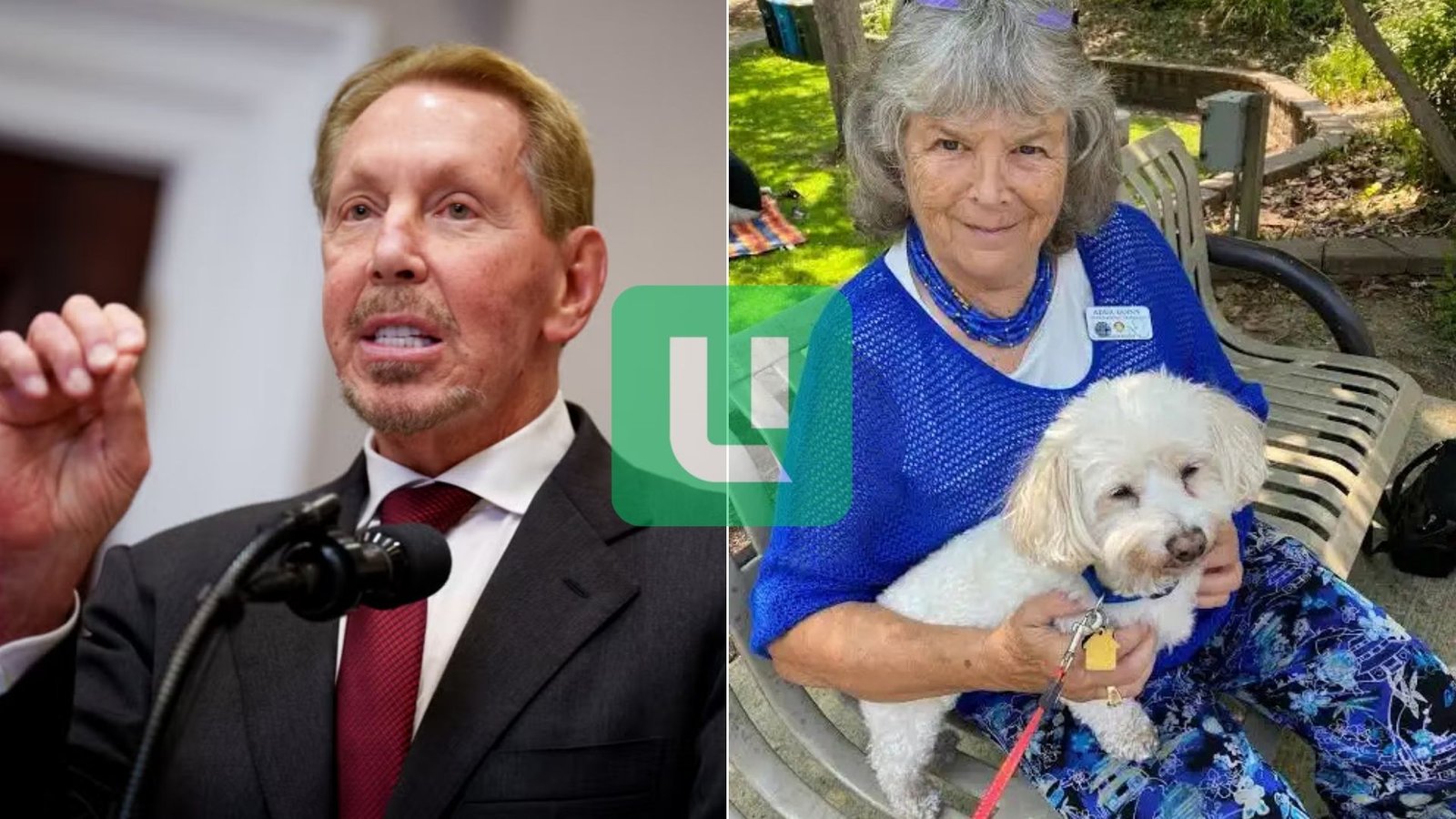
Adda Quinn is best known as the first wife of Larry Ellison. He later became a famous tech leader and billionaire. He also helped build Oracle Corporation. Yet he had no great wealth when they met. He was still trying to find steady work. His future in business was far from clear.
The couple married in 1967. Their life looked nothing like the rich world Ellison later enjoyed. They had no private island, large yacht, or global software firm. They lived as a young couple with normal bills and limited money. They also faced stress as Ellison moved between jobs and tried to find his path.
Their marriage ended in 1974. Ellison started the company that became Oracle about three years later. His first wife did not share his later rise to wealth. She knew him before the public knew his name. She also left before his biggest business success began. This timing gives her a rare place in his personal story.
Who Is Adda Quinn and Why Is She Known?
Quinn is a private American woman. Most people know her because she was Larry Ellison’s first wife. She shared his life during his early adult years. At that time, he worked in the growing computer field. He had not started Oracle. He was not rich, famous, or seen as a major business leader.
Ellison’s later success created public interest in his early life. People wanted to know who knew him before his fortune. His first marriage then became part of that story. However, Quinn did not seek fame from the connection. She did not build a media career, publish a memoir, or give many public interviews about her former husband.
Public facts about her remain limited. Her marriage and divorce dates are the best-known details. Her birth date, parents, school, work, and later family life are not clearly recorded. This makes careful writing important. A fair biography should not turn guesses into facts simply because readers want more personal detail.
Adda Quinn’s Early Life and Family Background
Very little is known about Quinn’s early years. Public records do not clearly confirm her birthplace or full birth date. Some websites list possible years or cities. Yet many of those pages do not show strong proof. It is safer to say that the main facts about her childhood remain private.
The names of her parents are also not widely known. There is no firm public record about their jobs or family background. The same is true for her brothers or sisters. No trusted source clearly explains whether she grew up in a large family, a small family, or as an only child.
This lack of detail is not unusual. She was not born into fame and did not grow up as a public figure. Most people do not expect their childhood stories to become public. Her link to Ellison later raised interest in her past. Still, interest cannot replace proof. Any missing details should remain unfilled unless reliable records appear.
Adda Quinn’s Education and Young Adult Years
Quinn’s school life is not known. No trusted source lists her degree or field of study. Some sites link her to Berkeley. Yet they do not show if she studied or worked there.
She reportedly met Ellison in Berkeley, California. The city drew many young people in the 1960s. Students, workers, and artists moved there. The computer field was also growing nearby.
Ellison moved west after leaving college. He studied at the University of Illinois and the University of Chicago. He did not earn a degree. He then found computer work. Quinn met him during this early stage of his life.
Adda Quinn’s Work and Professional Background
There is no clear record of Quinn’s full career. Her job title and work history have not been widely published. This does not mean that she did not work. It only means her working life stayed outside the public eye. Most reports focus on her marriage and say little about her own goals.
The couple had little money at first. Both may have helped pay the bills. Yet her job is not known. There is no proof that she worked as a teacher, office worker, or homemaker. So, these claims should not be added as facts.
There is also no evidence that she worked for Oracle. The marriage ended before the company began. She was not part of its founding team. She did not appear as an owner, manager, worker, or investor. Her place in Ellison’s story was personal. It was not linked to the later business that made him famous.
How Adda Quinn Met Larry Ellison
Published accounts say the pair met through an employment agency in Berkeley. Their exact first meeting date is not public. It likely happened after Ellison moved to California in 1966. He was looking for work and trying to enter the growing world of computer systems and data.
An employment agency helped people find jobs. It could also bring workers from different fields into the same office. Ellison had no clear long-term plan at that point. He moved between jobs and learned new technical skills. Quinn met him before he had money, business power, or a famous public image.
Few details about their courtship are known. There is no trusted story about their first date or engagement. It is also unclear how long they dated before deciding to marry. What is known is that they married in 1967. Their relationship became serious during a time when both were still shaping their adult lives.
Adda Quinn and Larry Ellison’s 1967 Marriage
The couple married in 1967. Ellison was about 23 years old. Quinn’s exact age was not made public. The wedding was a private event. Its location, guest list, and size remain unknown. There are no widely shared reports about the dress, ceremony, or reception.
This was not a famous wedding. Ellison was still a young computer worker. He had not created a major firm. The software industry was also very different. Computers were large and costly. Few people had direct access to them. Software had not yet become the huge business it is today.
Their marriage began with hope but little money. They had to deal with rent, food, work, and other normal costs. Ellison had technical skill, but skill did not bring fast wealth. The couple had no way to know that his work would later help him build one of the largest software companies in the world.
Adda Quinn’s Home Life in a Small Apartment
Reports say the couple spent their first years in a small one-room apartment. Their home offered little space or privacy. This was far from the large houses Ellison later owned. It showed the simple life they shared before money changed his public image.
Small homes can place pressure on young couples. Every problem feels close because there is little room to step away. Money stress can also feel stronger. The pair had to share space while Ellison changed jobs and tried to improve his place in the computer field.
Their daily life likely included basic duties, work plans, bills, and home needs. There were no staff members or luxury services. They had to handle normal tasks like other young couples. These years are important because they show the early Ellison. He had ambition, but he did not yet have a clear plan for turning it into wealth.
Adda Quinn and the Couple’s Move to Oakland
Around 1970, the couple reportedly bought a home in Oakland, California. The move may have felt like progress. A house gave them more space and a stronger sense of adult life. It may also have raised hope that their money problems would become easier to manage.
However, home ownership brings new costs. Loan payments, repairs, taxes, and daily needs can place more pressure on a limited income. Ellison still had not founded a company. His work gave him useful skills, but it did not provide the great wealth that came later.
A new home could not fix every problem. Money habits and personal differences followed the couple. One partner may have seen the house as a reason to save. The other may have felt free to keep taking risks. The Oakland years seem to have brought more comfort, but they did not give the marriage lasting peace.
Financial Strain in Adda Quinn’s Marriage
Money appears to have been one of the main problems in the marriage. Ellison worked, but he often changed jobs. Some moves helped him learn new skills. Yet frequent changes could make the future feel unsafe. A young couple with home costs needed steady income and clear plans.
Ellison also loved sailing. Boats cost money to buy and maintain. Reports say he bought a 34-foot sailboat before he had fully paid for a smaller one. For a couple with limited funds, this was a major choice. Quinn may have seen it as a risk they could not afford.
The boat may have been only one sign of a deeper problem. The pair seemed to hold different views about money. She may have wanted safety, order, and less debt. He often chose freedom, excitement, and risk. Money disputes are rarely only about numbers. They can also involve trust, respect, fear, and shared duty.
Adda Quinn and Larry Ellison’s Different Goals
The couple’s problems seem to have gone beyond money. They may also have wanted different types of life. Quinn appears to have valued a stable home. Ellison enjoyed risk and challenge. He liked cycling, sailing, and work that offered new problems to solve.
Those traits later helped him in business. He became known for bold choices and hard competition. Yet the same traits could make home life hard. Marriage requires shared plans and regular care. A person who enjoys risk may struggle with a partner who needs order and steady support.
No outsider can know every reason for the split. Quinn has not given a full public account. Still, their goals seem to have moved apart. One may have wanted a quiet and secure future. The other may have wanted space to follow larger dreams. Neither goal was always wrong, but the two paths no longer seemed to fit.
Why Adda Quinn Left Larry Ellison
The full reason for the separation remains private. Public accounts often point to money stress, debt, and different ideas about responsibility. Ellison’s spending and job changes may have made the future feel uncertain. Quinn may have reached a point where she no longer believed the marriage could give her the life she wanted.
People sometimes ask why she left before he became rich. That question is not fair. She did not know that Oracle would one day exist. She could only judge the marriage as it was in the early 1970s. At that time, there was no large company, no great fortune, and no promise that his plans would work.
A person must make choices based on the life they are living. Future wealth cannot fix problems from the past. It also cannot prove that a marriage would have become happy. Quinn may have chosen peace, safety, or a fresh start. Her choice should not be treated as a mistake simply because Ellison later became a billionaire.
Adda Quinn and the 1974 Divorce
The marriage ended in 1974 after about seven years. The exact divorce date and court terms are not widely known. There was no public fight over a huge company. Ellison had not yet founded Oracle, and there was no large stock fortune to divide between the former partners.
The couple may have divided normal property, such as their Oakland home, savings, personal goods, and debt. The exact agreement stayed private. This makes their split very different from a modern billionaire divorce. At that point, Ellison was still a computer worker trying to find a stronger path.
Some accounts say they tried marriage counseling. One story claims Ellison decided around that period that he wanted to become a millionaire. The divorce may have increased his drive. However, it would be unfair to say his first wife caused his success. He already had technical skills, ambition, and a strong love of competition.
Life Before Oracle’s Rise
Ellison helped start a small firm in 1977. It was first known as Software Development Laboratories. He formed it with business partners and focused on database software. The company later became Oracle Corporation and grew into one of the world’s biggest software firms.
The divorce had happened about three years earlier. Quinn did not work as a founder or leader. There is no proof that she owned early shares. She was part of Ellison’s private life before Oracle. She was not part of its official business history.
The contrast between the two periods is sharp. During the marriage, a boat could cause real money stress. Years later, Ellison could pay for large sailing teams and luxury yachts. The couple once lived in a small apartment. He later owned huge homes and most of the Hawaiian island of Lanai. She knew him before that change began.
Adda Quinn’s Children and Family Connections
The former couple are not known to have had children together. Major public accounts of Ellison’s family do not list any child from his first marriage. This meant they did not appear to have shared parenting duties after their divorce.
Ellison later had two children, David Ellison and Megan Ellison. Their mother is Barbara Boothe, his third wife. David became a film and media producer. He founded Skydance Media. Megan also became a producer and founded Annapurna Pictures.
Quinn is not their mother and did not raise them as a stepmother. They were born years after her marriage had ended. There is also no confirmed public record that she had children in a later relationship. Her family life after 1974 remains private, and no claim should be made without reliable proof.
Adda Quinn’s Private Life Away From Fame
Quinn did not use her former marriage to build a public career. She did not become a regular television guest. She did not publish a popular book about Ellison. She also did not give a long public interview that shared private stories from their early years.
This choice matters because she may know many details about his life before Oracle. A memoir from his first wife could attract public interest. Yet she seems to have chosen privacy instead. Her silence should not be seen as proof of anger, pain, or regret. A private person may simply want to leave an old chapter behind.
Her absence from the media also led to many weak online claims. Some websites list an exact age, job, height, or net worth without proof. These figures often appear copied from other pages. A careful biography should not repeat them. Her privacy is not a gap that writers need to fill with made-up facts.
Adda Quinn’s Estimated Age, Net Worth, and Current Life
Quinn’s exact age is not publicly confirmed. Since she married in 1967, some online pages place her birth in the 1940s. If that range is correct, she may now be in her late 70s or 80s. This remains only an estimate. No firm birth record has been widely published.
Her height, weight, and net worth are also unknown. There are not enough trusted photos or records to support exact physical figures. Her finances remain private as well. She divorced Ellison before Oracle existed, so it is wrong to link her money to his later billions.
Her current home, work, and relationship status are not confirmed. She may be retired, but there is no strong proof. She may also have changed her surname after the divorce. That could make later records hard to find. What is clear is that she has spent many years outside the public eye and away from Ellison’s fame.
Final Thoughts
Quinn has a small but meaningful place in Larry Ellison’s life story. She was his first wife and knew him before Oracle. They married in 1967 and shared years marked by limited money, changing jobs, and different hopes for the future.
Their marriage ended in 1974. Ellison helped start the company that became Oracle three years later. She did not leave a rich businessman with a finished empire. She left a difficult marriage during an uncertain stage of life. She had no way to know that he would later become one of the world’s richest people.
Her story should not be reduced to the wealth she did not share. She was a person with her own needs and choices. After the divorce, she avoided public attention and kept her life private. The most honest account respects that silence. It tells the known facts without filling the missing parts with rumor.
Who Is Adda Quinn?
Adda Quinn was Larry Ellison’s first wife. They married in 1967. Their marriage ended in 1974. Ellison later helped start Oracle Corporation. He then became a famous tech billionaire.
Why did she leave Larry Ellison?
The full reason remains private. Public accounts point to money problems, debt, different goals, and Ellison’s risky choices. She has not given a long public statement explaining every part of the divorce.
Did she receive Oracle shares in the divorce?
There is no proof that she received Oracle shares. The divorce happened in 1974, while Ellison and his partners started the company that became Oracle in 1977.
Did the former couple have children?
They are not known to have had children together. Ellison later had David and Megan Ellison with his third wife, Barbara Boothe. Both children built careers in film production.
What is Adda Quinn doing today?
Her current location, career, family life, and relationship status are not publicly confirmed. She has remained outside the media and appears to value a quiet and private life.
You might also like that: Who Is Maimiti Brando? Inside the Private Life of Marlon Brando’s Daughter

What Are Tumbons? Their History, Materials, Designs, and Modern Uses

What Is a Tracqueur? A Complete Guide to Trackers and Tracking Systems

What Is Lamps4U? All About The Dubai Lighting and Recycling Company
-

 Biography3 months ago
Who Is Renee Berry? The Untold Story of Halle Berry’s Half Sister
-
 Celebrity3 months ago
Who Is Rodney Tyson? The Untold Story of Mike Tyson’s Brother
-
 Celebrity3 months ago
Who Is Roslyn Jordan? All About Sister of basketball icon Michael Jordan
-

 Biography3 months ago
Who Is Jenna Shue? All About Elisabeth Shue’s Sister and Her Corporate Career
-

 Celebrity3 months ago
Who is Sara Scheffler? All You Need to Know About Scottie Scheffler’s Sister
-

 Celebrity3 months ago
Who Is Ava Brown? All About Millie Bobby Brown’s Youngest Sister
-

 Celebrity3 months ago
Who Is Taylor Pippen? Everything About Daughter of NBA legend Scottie Pippen
-

 Biography3 months ago
Who Is Betty Reese? All You Need to Know About Reese Witherspoon’s Mother