
Blog
What Is Fascisterne? The Rise and Fall of Fascism in Europe

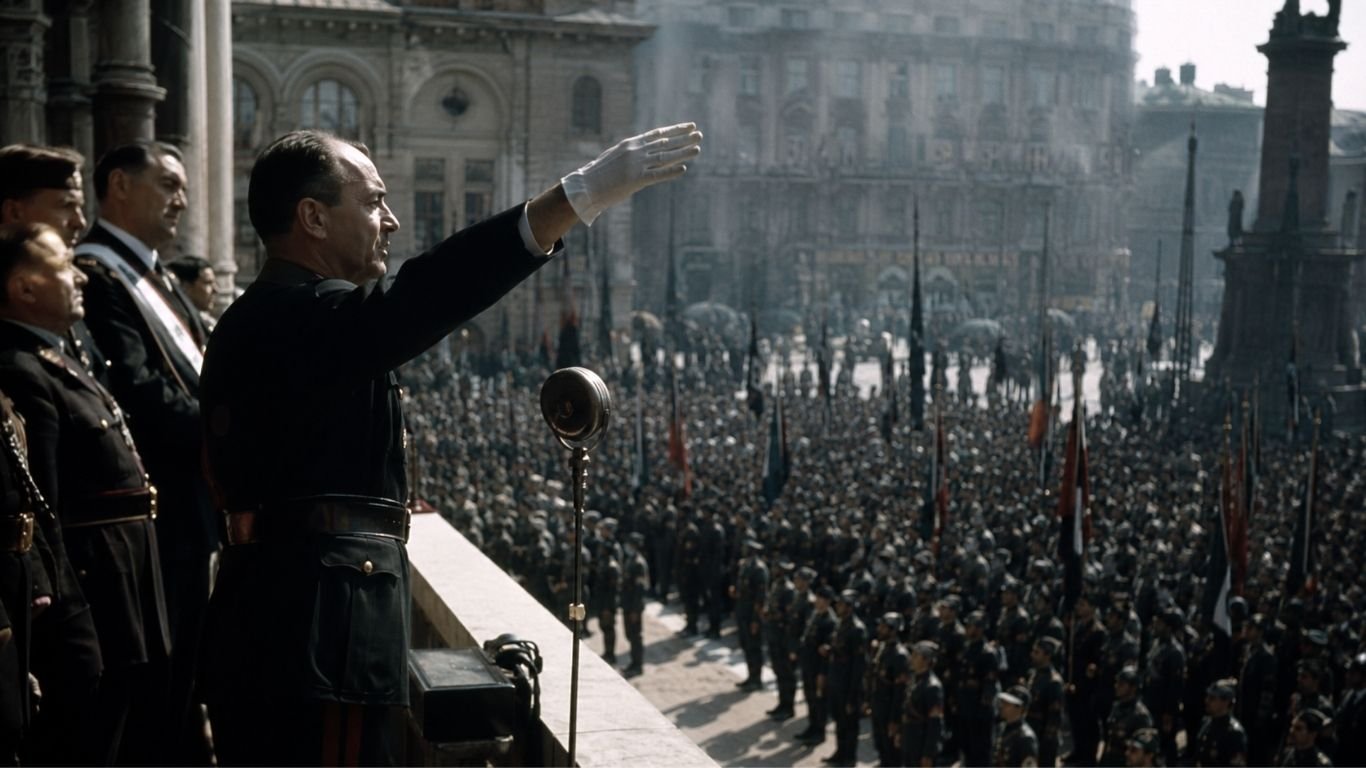
Fascisterne is the Danish word for “the fascists.” It means people who followed fascism. This political movement grew after the First World War. It first gained power in Italy under Benito Mussolini.
Fascists wanted one strong leader and one powerful state. They did not support free elections or open debate. They also placed the nation above each person. Their ideas later spread across much of Europe.
Fascist groups used fear, force, and strict control. They praised war, order, and extreme national pride. Their rule caused pain, death, and deep harm. The effects lasted long after the war ended.
What Does Fascisterne Mean?
The word fascisterne means “the fascists” in English. It refers to people who support fascism. It can also describe members of a fascist party. The word often appears in books about politics and war.
Fascists place the nation above the person. They believe the state should guide daily life. They also demand full loyalty from the public. One leader and one party control the main choices.
Today, some people use the word as an insult. Its true meaning is more exact. It names a strict form of rule. This system rejects free choice and silences anyone who stands against it.
Where Did Fascisterne Begin?
The first major fascist movement began in Italy. Benito Mussolini formed the Fasci Italiani di Combattimento in Milan in 1919. The group later became the National Fascist Party.
Italy faced many problems after the First World War. Jobs were hard to find. Strikes filled the streets. Many people feared a revolt. Others felt the country had gained too little from the war.
Mussolini used this anger to gain support. He promised work, order, pride, and a strong state. His speeches reached former soldiers, business owners, and people who feared social change.
The movement grew through marches, bold signs, and street force. Mussolini said he could fix the country. More people began to follow him. His party soon became a major force in Italy.
How Did Mussolini Take Power?
Mussolini had armed followers called the Blackshirts. They wore black clothes and marched in public. They attacked socialists, union leaders, and local officials. They also hurt people who spoke against fascism.
The Blackshirts broke up meetings and burned offices. They beat their rivals in the streets. Police often failed to stop them. This fear helped Mussolini gain more control.
In October 1922, fascist groups began the March on Rome. They wanted a place in government. King Victor Emmanuel III did not order the army to stop them.
The king then asked Mussolini to form a government. Mussolini became prime minister. He soon removed free rule. By 1925, Italy had become a dictatorship.
Other parties lost their power. The press lost its freedom. Mussolini became known as Il Duce. His word became law across the country.
What Did Fascisterne Believe?
Fascists believed the nation came first. The person came second. They said all people had to serve the state. They also had to obey the leader.
Fascists did not trust free elections. They saw open debate as weak. They wanted one party and one clear voice. Other views were not welcome.
They also opposed communism, socialism, and Marxism. They used fear of revolt to gain support. Some rich people and business owners backed them for this reason.
Fascists praised uniforms, war, and strict order. They held large marches and public events. These acts made the movement look strong and united.
Fascist states also controlled schools, newspapers, and radio. They watched public speech. People who spoke against the state could face prison, attack, or death.
Fascisterne in Germany
Adolf Hitler watched Mussolini’s rise. He copied many of his methods. Hitler used large rallies, strong signs, hate speech, and armed groups. His Nazi Party also rejected democracy.
Nazism shared many parts of fascism. Yet race had a much bigger role in Nazi rule. Hitler placed hate against Jews at the heart of German law.
Jews and other groups became state targets. The Nazi state took away their rights. It later forced many into camps. Millions were killed.
Hitler took power in 1933. He soon ended free rule. Germany became a police state. One leader and one party controlled public life.
His rule led to the Second World War and the Holocaust. Nazi Germany killed six million Jews. It also killed millions of other people.
Fascisterne in Spain and Britain
In Spain, Francisco Franco led a military revolt in 1936. His forces fought the elected government. This war became known as the Spanish Civil War.
Fascist Italy and Nazi Germany helped Franco. They sent planes, troops, weapons, and money. This help gave his forces more power.
Franco won the war and ruled Spain as a dictator. His rule shared some parts of fascism. It used fear, force, and strict state control.
In Britain, Oswald Mosley formed the British Union of Fascists in 1932. His group copied Mussolini’s style. It used uniforms, marches, and strong public speeches.
The group gained some public notice. Yet it never came close to power. Many people rejected its hate and street violence. The state later placed limits on it.
Fascisterne in Denmark
Fascist and Nazi ideas reached Denmark between the two world wars. Some people feared communism and social change. Yet most Danish voters still backed free rule.
The main Danish Nazi party was Danmarks Nationalsocialistiske Arbejderparti. It was known as DNSAP. The party began in 1930.
DNSAP copied many parts of Hitler’s movement. It used similar signs, uniforms, marches, and party rules. It also supported one strong leader.
The party gained some support in small towns and rural areas. A few people from the middle class also joined. Still, most Danes stayed away.
DNSAP had several thousand members when the Second World War began. Its size later grew under German rule. Even then, it never won wide support.
Who Was Frits Clausen?
Frits Clausen was a doctor from Southern Jutland. He joined DNSAP in 1931. He became its leader in 1933. He then shaped the party around the German Nazi model.
Clausen had served in the German army during the First World War. Russian forces later held him as a prisoner. He returned home in 1918.
He later finished his medical studies. He opened a clinic in Bovrup. He also became active in far right politics.
Under Clausen, DNSAP copied Hitler’s signs, ranks, speeches, and public events. Clausen tried to look like Denmark’s strong national leader.
He hoped Germany would place him in power. German officials gave his party money and help. Yet they did not make him the leader of Denmark.
Why Did Danish Fascisterne Stay Weak?
Most Danish voters rejected DNSAP. They wanted free elections and normal party rule. They did not want one strict leader. This kept the party weak.
In the 1939 election, DNSAP won only a small share of the vote. It gained three seats in parliament. This showed how little support it had.
Germany invaded Denmark on April 9, 1940. DNSAP thought this would help it gain power. The result was very different.
Many Danes saw Clausen as too close to Germany. He spoke about Danish pride. Yet he depended on help from the occupying power.
In the 1943 election, DNSAP again won only three seats. It failed to grow. Most voters still refused to support it.
Fascisterne During the German Occupation
Germany ruled Denmark from 1940 to 1945. DNSAP received money and help from German officials. Even with this aid, it did not lead the Danish state.
Some Danish Nazis worked with German forces. Others joined German army units. A number of them later faced court cases for their acts.
At the same time, many Danes joined the resistance movement. They shared secret news and hid people. They also hurt German plans.
Some resistance members helped Danish Jews escape to Sweden. Others gathered facts about German actions. Their work grew as the war went on.
Public anger against DNSAP also grew. Many people saw its members as helpers of the enemy. By 1945, the party had lost its future.
How Did Fascisterne Fall?
Fascist Italy began to fall in 1943. Mussolini lost power. He was later killed in 1945. His death came near the end of the war.
Nazi Germany also fell in 1945. Hitler died in Berlin. German forces gave up soon after. The war in Europe then came to an end.
Denmark became free in May 1945. The state then began trials against people who had helped German rule.
Simple party membership did not always lead to prison. Courts looked at what each person had done. Serious crimes brought harsh terms.
People who joined armed groups faced greater blame. So did people who took part in murder or terror. The fall of fascism changed Europe for years.
Bottom Line
The history of fascisterne shows how fear can harm a free nation. Leaders may use hard times to gain trust. They often promise fast answers.
Fascist leaders also blame weak groups for large problems. This creates hate. It can make force look normal. It can also turn neighbours against each other.
They attack courts, unions, newspapers, and rival parties. These groups help protect freedom. When they become weak, one leader gains too much power.
Denmark gives a clear example. DNSAP had money, members, and German help. It also held public events. Yet most voters still rejected it.
This history still matters today. It shows why free speech, fair elections, and civil rights need strong support. Democracy can fail when people stop protecting it.
FAQs
What does fascisterne mean in English?
Fascisterne means “the fascists” in English. It refers to people who support fascism or belong to a fascist political group.
Who started the fascist movement?
Benito Mussolini started the first major fascist movement in Italy in 1919. His group later became the National Fascist Party.
Who led the Danish fascisterne?
Frits Clausen led the Danish Nazi party known as DNSAP. He became party leader in 1933 and stayed its main public face.
Was DNSAP popular in Denmark?
DNSAP was never a large party. It won three seats in 1939 and three seats again in 1943. Most Danish voters rejected it.
Are fascism and Nazism the same?
They share many ideas, but they are not the same. Nazism placed race, antisemitism, and racial war at the centre of state rule.


Applying to a prestigious independent school such as Harrow School involves careful preparation, academic planning and an understanding of the admissions process. It is important for families to think about entrance assessments, interviews, expectations in school and the deadline of applications while assisting their child to prepare with confidence. Throughout this process, an experienced education consultant can help educate parents about the requirements and organise each step of the application.
Harrow School has its own admissions process and criteria. Awareness of these early can help families inform their decisions around preparation, timelines and support for their child.
Understanding Harrow School Admissions Requirements
The first step is to familiarise yourself with the school’s entrance criteria and admissions process. Families should be informed on the due dates of application, the assessment process and required documents.
Parents can benefit from having an education consultant to help them understand the published admissions guidance and develop a clear preparation plan. This could involve coordinating school reports, monitoring significant dates and determining what academic skills the school child needs to be confident in prior to assessments.
This also allows families to ask questions, attend school events, and ensure that they are aware of the expectations in the school for their child’s entry year.
Creating a Personalised Academic Preparation Plan
Preparation for competitive admission to school should be based on what the child currently can do and needs to learn. Children might need to improve their understanding of English and written ability or practice more in mathematical reasoning or problem-solving.
An education consultant will be able to identify areas for improvement and suggest suitable preparation materials or other specialist tutors. A structured plan can ensure that learning progresses beyond repetition towards growth in understanding, accuracy and independent thinking.
Parents will also be able to track progress through regular reviews and plan accordingly. This way, the children can gradually improve their abilities without the admissions process becoming overly stressful.
The Role of a Harrow School Admissions Tutor
A Harrow school admissions tutor can provide targeted academic support based on the requirements of the relevant entrance assessments. Tuition may include areas of subject knowledge, verbal and non-verbal reasoning, comprehension, writing or other skills, depending on the assessment format and the needs of the child.
A tutor can clarify question types that are not familiar to children and can identify common errors and guide pupils to use effective strategies when working on timed activities. Children can also get used to working under a time limit with the practice tests.
But tutoring should be based on real learning and skill building, not memorising an answer. It is best for kids to grasp the concept and to be able to use it independently.
Preparing for the Admissions Interview
Depending on the entry route and year group, interviews could be part of the admissions process. They provide the school with an opportunity to gain information about a pupil’s interests, communication, curiosity and approach to learning.
Families will need to make sure that they know what they need to expect during the interview and how they should prepare. Discussions will be practised to give children opportunities to express their views, discuss books, hobbies and answer thoughtfully to unfamiliar questions.
The goal is not to teach scripted answers. Rather, preparation should enable pupils to communicate naturally, listen attentively and communicate confidently with their ideas.
Managing Application Deadlines and Documentation
The process of applying to school is a complex one that requires more than academics. Families must arrange any paperwork to register, school reports, references, assessment arrangements and other paperwork as per the school’s requirements.
Parents can give these tasks to their education consultant to plan out a feasible schedule. This helps to minimise the chances of missing deadlines or last-minute arrangements.
Consultants may also assist families in identifying information that needs to be obtained directly from the current school and information or steps that should be taken by parents.
Supporting Your Child’s Confidence and Wellbeing
Competitive admissions can create pressure for both children and parents. A balanced preparation plan should allow enough time for schoolwork, extracurricular interests, rest and family life.
An education consultant supports families to make realistic expectations and identify when a child requires extra support or a change in their workload. A Harrow School admissions tutor will be able to support pupil learning by giving positive and constructive feedback and support pupils in their ability to learn from their mistakes.
It is important to have realistic expectations. While proper preparation can benefit a child, there is no guarantee that a consultant or tutor will secure admission.
Choosing the Right Education Consultant
When choosing an education consultant, you should ensure that they have a clear understanding of the process of applying to independent schools and are able to describe it to you. Find out their experiences, strategies for preparing academically, how they communicate with families, and their knowledge about the requirements for the year they plan to enter.
It is also important to know how the consultant works with the tutors and what might happen if progress is not reviewed regularly and how the preparation plan might be adjusted to the child’s needs.
Final thoughts
Harrow School admissions require thoughtful planning, consistent preparation and a clear understanding of the school’s expectations. An education consultant can help families manage the application process, while a specialist Harrow School admissions tutor can support the academic skills and interview preparation relevant to the child’s entry route.
With an organised approach and appropriate guidance, families can help their child prepare more confidently, develop essential learning skills and understand how to handle different parts of the admissions process.
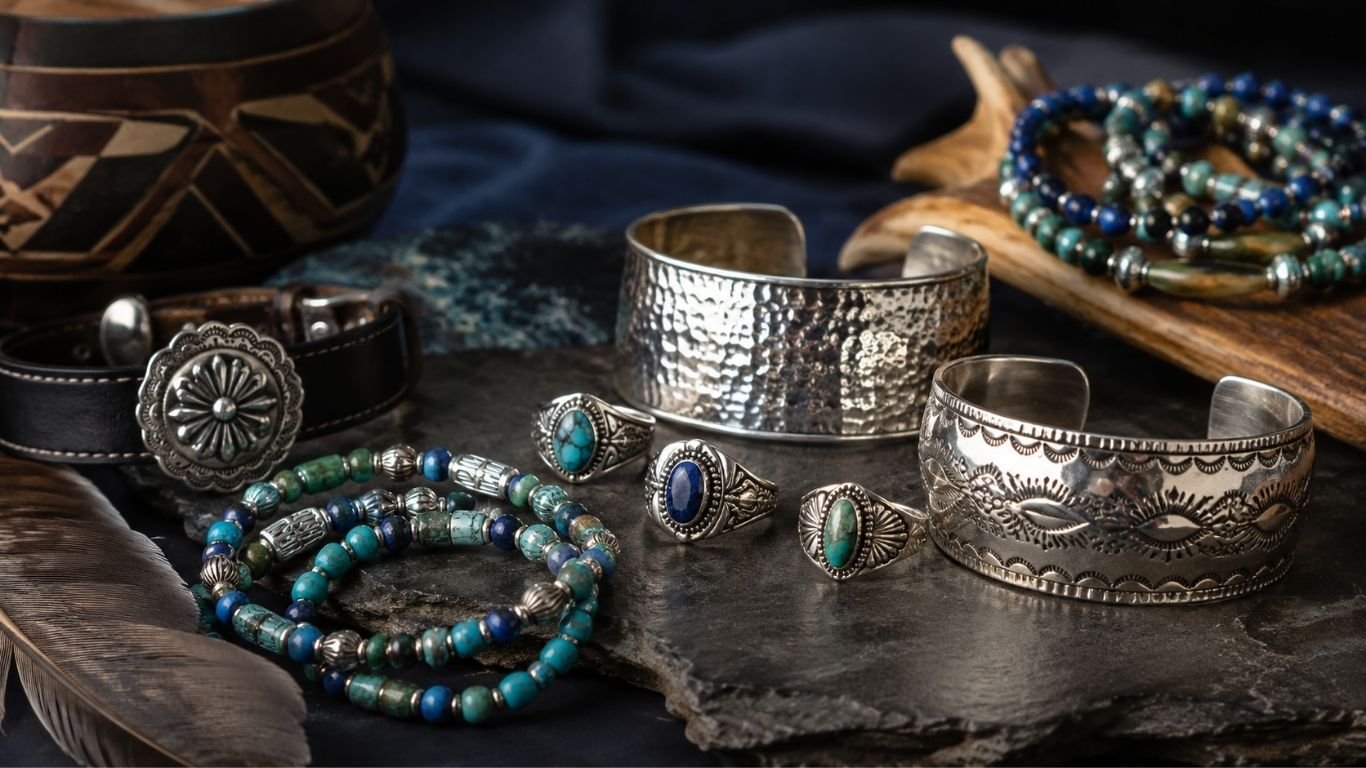
Tsunaihaiya is a distinctive Japanese jewelry brand known for handcrafted silver pieces, bold surface textures, and meaningful cultural influences. Its collections combine Native American jewelry techniques with the careful metalworking traditions associated with Japanese craft.
Founded in 2012 by Japanese designer Yusuke Kuwano and San Carlos Apache sculptor Craig Dan Goseyun, the brand offers rings, bangles, bead bracelets, necklaces, and leather accessories. Each design has an artistic character that separates it from ordinary mass-produced jewelry.
What Is Tsunaihaiya?
Tsunaihaiya is an independent Japanese jewelry brand built around cultural exchange and traditional craftsmanship. Its identity developed through the creative partnership between Kuwano and Goseyun.
The brand does not simply copy classic Southwestern jewelry. Instead, it combines inherited Native American methods with Japanese ideas about shape, texture, balance, and beauty.
Many pieces have a raw, natural surface. Hammer marks, uneven lines, darkened silver, and polished areas are used to create depth. These details make every ring or bracelet feel more like a small work of art than a basic fashion accessory.
What Does the Name Tsunaihaiya Mean?
The name Tsunai Haiya is reported to come from the language of the San Carlos Apache people. It means “the rising sun” or “the land where the sun rises,” referring to Japan.
This meaning supports the brand’s central idea. Japan is represented through the image of the rising sun, while the Apache connection recognizes the cultural background that influenced its jewelry-making approach.
The name therefore reflects more than a geographic location. It represents a creative bridge between two artistic worlds.
Who Founded Tsunaihaiya?
Tsunaihaiya was established in 2012 by Yusuke Kuwano and Craig Dan Goseyun.
Kuwano is a Japanese artist and jewelry designer who spent time studying Native American and Southwestern art in the United States. Goseyun is a sculptor connected to the San Carlos Apache tribe.
Their partnership helped form a brand that respects traditional skills while developing a modern Japanese identity. The result is jewelry that feels historic and contemporary at the same time.
Retailers now commonly identify Kuwano as the main designer associated with the label. His work continues to explore how traditional ornament can fit modern clothing and everyday life.
The Fusion of Japanese and Native American Craft
The main strength of Tsunaihaiya jewelry is its artistic fusion. Native American jewelry has a long connection with hand-worked silver, natural stones, stamped patterns, and meaningful decorative forms.
Japanese metal craft also values patience, controlled detail, natural surfaces, and the beauty of small imperfections. Tsunaihaiya brings these approaches together without making the designs feel crowded.
Instead of relying only on obvious tribal symbols, the brand often focuses on texture and form. A wide silver bangle may have a deeply hammered surface, while a ring may use a slightly uneven shape that reflects light from different angles.
This restrained approach makes the jewelry suitable for people who enjoy cultural craft but prefer a modern look.
Signature Tsunaihaiya Rings and Bangles
The brand is especially recognized for sterling silver rings and wide bangles.
One notable style is the Texturerized Tsuime collection. These pieces use repeated hammering to produce a marked, reflective surface. The technique gives silver a rugged appearance while maintaining a polished finish.
Tsunaihaiya rings range from thin stacking designs to wide statement pieces. Some have smooth edges and rough centers. Others use irregular curves that make the metal appear naturally shaped.
Its bangles are heavier and more visible. Wide cuffs can become the main feature of an outfit, while slimmer bracelets work well with watches or other jewelry. Product listings describe several designs as sterling silver or Silver 925.
Natural Stone Bead Bracelets
Tsunaihaiya also produces colorful natural stone bracelets. These designs offer a softer alternative to the brand’s heavier silver pieces.
The Colorfield Beads collection uses stones in mixed shades and sizes. Available designs have featured materials such as turquoise, lapis lazuli, and moonstone, often combined with Silver 925 details.
The uneven color combinations give the bracelets an organic appearance. Blue, white, green, black, and earthy tones can be worn alone or layered with silver bangles.
These bead bracelets are generally unisex. Their simple construction makes them easy to pair with casual clothing, denim, workwear, or relaxed summer outfits.
Premium Silver and Baker Bridle Leather
Material quality plays a major role in the brand’s appeal. Many Tsunaihaiya pieces use sterling silver, which contains at least 92.5 percent silver.
The brand also uses premium leather in selected bracelets, wallets, and keyrings. Some accessories combine sterling silver with bridle leather produced by the English tannery J. & F.J. Baker & Co.
Baker bridle leather is valued for its durability, firm structure, and ability to develop character over time. Tsunaihaiya uses it to create leather bracelets with a refined but rugged appearance.
This combination of silver and leather makes the accessories suitable for buyers who appreciate materials that age naturally.
Why Is Tsunaihaiya Jewelry Special?
Tsunaihaiya stands out because its pieces show visible evidence of the maker’s work. The hammered marks, varied surfaces, and irregular forms are intentional design choices.
Each piece communicates a sense of patience and individuality. It does not look as if it came directly from a large factory line.
The brand also avoids placing itself within only one style category. Its jewelry can appeal to fans of Japanese fashion, Native American craft, luxury streetwear, heritage clothing, or handmade accessories.
Men and women can wear most designs, making the collection especially attractive to shoppers searching for unisex designer jewelry.
How to Style Tsunaihaiya Jewelry?
Tsunaihaiya jewelry works best when the piece remains visible. A wide silver cuff can be worn with a plain black shirt, denim jacket, or rolled sleeve.
Textured rings can be combined with simple silver bands, but wearing one large ring alone can create a cleaner look. Natural stone bracelets pair well with linen, denim, leather, and neutral clothing.
Leather and silver bracelets suit workwear-inspired outfits, while polished silver pieces can add character to formal clothing.
Because the designs already contain strong textures, it is usually better to avoid wearing too many large accessories at once.
How to Care for Tsunaihaiya Silver?
Sterling silver naturally becomes darker when exposed to air, moisture, and skin oils. This process is called tarnishing and does not normally mean that the jewelry is damaged.
Use a soft silver polishing cloth to restore brightness. Avoid harsh household chemicals, chlorine, and rough cleaning brushes.
Natural stones should be cleaned gently with a dry or slightly damp cloth. Leather accessories should remain away from heavy rain and direct heat. Proper care will help the silver, stones, and leather develop an attractive appearance over time.
Bottom Line
Tsunaihaiya is more than a fashionable jewelry name. It represents a thoughtful meeting between Japanese design and Native American craft traditions.
Its textured silver rings, wide bangles, colorful stone bracelets, and leather accessories offer something different from standard luxury jewelry. Strong materials and visible handwork give the collection a timeless character.
For buyers who value cultural inspiration, natural materials, and distinctive craftsmanship, Tsunaihaiya offers jewelry that can be worn daily while still feeling personal and artistic.
FAQs
What is Tsunaihaiya?
Tsunaihaiya is a high-end Japanese jewelry brand founded in 2012. It is known for combining Japanese metalworking with Native American-inspired silver craftsmanship.
Who founded Tsunaihaiya?
The brand was founded by Japanese designer Yusuke Kuwano and Craig Dan Goseyun, an artist connected to the San Carlos Apache tribe.
What does Tsunaihaiya mean?
The name is commonly described as meaning “Land of the Rising Sun” in the Apache language. It refers to Japan and reflects the brand’s cross-cultural identity.
What materials does Tsunaihaiya use?
Tsunaihaiya uses sterling silver, turquoise, lapis lazuli, other natural stones, and premium leather. Some accessories also feature English Baker bridle leather.
What products is Tsunaihaiya known for?
The brand is best known for hand-hammered silver bangles, detailed rings, natural stone bead bracelets, leather accessories, and other unisex jewelry designs.
For many people with Polish ancestry, applying for citizenship by descent is more than an administrative process. It can be a way to reconnect with family history, preserve a cultural legacy, or make practical plans for life, work, study, or travel in Europe.
One of the most common concerns is whether limited Polish language skills could prevent an applicant from moving forward. In most cases, the answer is reassuring: speaking Polish is generally not a legal requirement for confirming Polish citizenship by descent.
That said, language can still affect how easily an applicant understands documents, communicates with institutions, and manages the practical side of the process. Knowing the distinction between a citizenship confirmation procedure and other immigration routes is essential before collecting records or submitting an application.
Polish citizenship by descent: the central principle
Polish citizenship by descent is based on the principle of jus sanguinis, meaning “right of blood.” In simple terms, a person may be regarded as Polish from birth if at least one parent held Polish citizenship at the time of the person’s birth. The right may also pass through grandparents or more distant ancestors, depending on the family’s citizenship history and the relevant laws in force at different points in time.
Importantly, the process is not usually about acquiring citizenship because of language skills, residence, or cultural integration. It is commonly a procedure to confirm citizenship that may already have been inherited. The applicant must demonstrate a legal chain of citizenship from a Polish ancestor to the present day.
For that reason, authorities normally focus on documentary evidence rather than language proficiency. Relevant records may include:
- Polish birth, marriage, or death certificates;
- old Polish passports, identity cards, military records, or household registration documents;
- foreign birth and marriage certificates proving family relationships across generations;
- naturalization records from another country;
- immigration documents showing when an ancestor left Poland;
- evidence concerning whether and when an ancestor may have lost Polish citizenship under historical laws.
An applicant may be fluent in Polish, know only a few family expressions, or have no knowledge of the language at all. None of these circumstances, by itself, determines whether citizenship was inherited.
When Polish language skills are not required
In a standard application for confirmation of Polish citizenship by descent, applicants are not ordinarily required to take a language examination, attend an interview in Polish, or prove cultural knowledge. The legal question is whether the person’s parent, grandparent, or earlier ancestor was a Polish citizen and whether citizenship was successfully transmitted through each generation.
Consider the example of an applicant born in Canada whose grandmother was born in Poland in the 1920s. The applicant may have grown up in an English-speaking household and never learned Polish. If the grandmother remained a Polish citizen until the applicant’s parent was born, and the citizenship chain is supported by appropriate records, lack of Polish fluency should not undermine the case.
Similarly, an Australian applicant may have a Polish-born grandfather but possess only translated family documents and limited knowledge of Poland’s history. The case will depend on the grandfather’s legal status, dates of emigration, military service where relevant, naturalization history, and the documentary connection between the generations—not on the applicant’s language ability.
Why language can still matter in practice
Although Polish is not generally a substantive eligibility requirement, the application process can involve Polish-language paperwork. Applications submitted to Polish authorities are typically prepared in Polish, and foreign civil-status documents often need to be translated by an authorised or sworn translator. Depending on the country of issue and the intended use of the document, an apostille or legalisation may also be necessary.
This can feel intimidating, especially for applicants who are approaching their family’s history after many years of distance. It is entirely reasonable to need help interpreting archival records, understanding historical place names, or identifying inconsistencies in documents. Many older records were handwritten, used former territorial designations, or recorded names in Polish, Russian, German, Yiddish, Latin, or another language used in the region at the time.
Professional guidance may be useful when a family history involves several jurisdictions, missing certificates, historical naturalization issues, or ancestors who moved frequently. For example, applicants researching their route through Five to Europe may find it helpful to begin by organising the known facts: full names, maiden names, dates and places of birth, emigration dates, marriages, and any available Polish documents.
Even when external assistance is involved, applicants benefit from maintaining a clear personal file. A simple timeline can prevent confusion and make it easier to spot missing links in the evidence.
Useful organisational steps for non-Polish speakers
- Create a family timeline: list each generation from the Polish ancestor to the applicant, including births, marriages, name changes, migrations, and deaths.
- Keep original spelling variations: surnames may appear differently after migration, marriage, translation, or clerical transcription.
- Separate originals from translations: label every document clearly and retain digital copies in a secure folder.
- Check document requirements early: apostilles, certified copies, and sworn translations can take time and may involve additional costs.
- Do not rely only on family stories: oral history is valuable for research, but official records are normally needed to support a legal application.
Situations where Polish language requirements may apply
Confusion often arises because Poland has several different pathways related to citizenship and residence. While citizenship by descent generally does not require a language test, other procedures may involve language proficiency or integration requirements.
For instance, a person applying for Polish citizenship through naturalisation, after long-term residence in Poland, may need to show Polish language ability at a specified level. Requirements can vary depending on the legal basis of the application, including marriage to a Polish citizen, permanent residence, refugee status, or other circumstances.
Polish language ability may also be relevant for those seeking to study, work, settle, or participate more fully in daily life in Poland. It can make interactions with medical providers, schools, employers, landlords, banks, and public offices less stressful. However, these practical benefits should not be confused with the legal requirements for citizenship confirmation by descent.
It is therefore important to identify the exact procedure before assuming that a Polish language certificate is needed. An applicant who is eligible by descent should not automatically be assessed according to rules designed for foreign nationals seeking citizenship through residence.
Legal and historical issues often matter more than language
Cases involving Polish citizenship by descent can be legally complex because Polish citizenship laws have changed over time. A family’s eligibility may be affected by such factors as an ancestor’s date of birth, place of residence, acquisition of another nationality, military service in a foreign country, marriage, or gender-based rules that applied under earlier legislation.
For example, an ancestor who emigrated before the Second World War may have been subject to different citizenship rules than someone who left Poland in the 1960s. A woman’s citizenship status may also require careful review where historical laws treated married women differently from men. These are not matters that can be resolved through language fluency or cultural connection; they require accurate documents and careful legal interpretation.
It is also worth remembering that historical borders in Central and Eastern Europe changed repeatedly. A birthplace now located in Ukraine, Lithuania, Belarus, or another country may have been within Poland at the time of an ancestor’s birth. Conversely, a relative described in family records as “Polish” may not necessarily have held Polish citizenship in the legal sense. Research should distinguish ethnicity, language, religion, place of origin, and formal nationality.
The emotional side of tracing Polish roots
Citizenship research can bring unexpected emotions. Applicants may discover family experiences involving war, displacement, forced migration, separation, or silence around the past. Others may feel uncertain about claiming a connection to Poland when they do not speak the language or have never visited the country.
These feelings are understandable. Legal eligibility is determined by evidence and statutory rules, while personal belonging is more individual. A person does not need to perform a particular version of Polish identity in order to investigate whether citizenship was inherited. At the same time, learning a few words of Polish, reading about local history, speaking with older relatives, or visiting an ancestral town can be meaningful choices for those who wish to build a deeper connection.
It can be helpful to approach the research at a manageable pace. Archival searches and government processing may take months, and some records may be difficult to obtain. Setting a document budget, keeping expectations realistic, and seeking support from family members can reduce the pressure associated with the process.
Key takeaway
You do not usually need to speak Polish to apply for confirmation of Polish citizenship by descent. The decisive issue is whether you can establish an uninterrupted legal connection to a Polish citizen ancestor through reliable records. Language may be useful for navigating translations, archives, and later life in Poland, but it is not normally the test of whether citizenship was inherited.
Anyone considering an application should take time to identify the correct legal pathway, gather documents methodically, and examine the family timeline with care. Exploring Polish citizenship by descent can be both a legal undertaking and a personal journey, and a well-informed approach can make both aspects easier to navigate.

How an Education Consultant Can Help with Harrow School Admissions

What Is Tsunaihaiya? A Guide to Its Rings, Bangles, and Bracelets

Do You Need to Speak Polish to Apply for Citizenship by Descent?
-

 Technology3 months ago
What Is Nerwey? A Complete Guide To The Online Platform
-

 Biography6 months ago
Who Is Renee Berry? The Untold Story of Halle Berry’s Half Sister
-

 Celebrity6 months ago
Who Is Joseph Toney Biography? The Untold Story of Shaquille O’Neal’s Father
-

 Celebrity6 months ago
Who Is Rodney Tyson? The Untold Story of Mike Tyson’s Brother
-

 Celebrity6 months ago
Who Is Roslyn Jordan? All About Sister of basketball icon Michael Jordan
-

 Biography6 months ago
Who Is Jenna Shue? All About Elisabeth Shue’s Sister and Her Corporate Career
-
 Celebrity5 months ago
Married at Just 16: The Controversial First Marriage of Jerry Lee Lewis and Dorothy Barton
-

 Celebrity6 months ago
Who Is Kazembe Ajamu Coleman? A Complete Biography of Zendaya’s Father