Health
Chipped, Gapped or Missing? How Modern Dentistry Rebuilds Smiles at Every Level

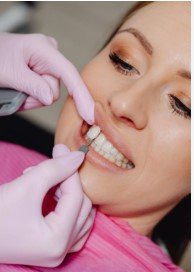
Teeth rarely fail all at once. For one person, the problem is a single chipped front tooth that catches the light in every photograph. For another, it is years of wear, decay and tooth loss that have slowly changed the way they eat and speak. Modern dentistry now offers answers at both ends of that scale, and two treatments in particular attract a great deal of attention: composite bonding and All-on-4 dental implants. They do completely different jobs, yet they are often confused. This guide explains what each treatment involves, who it suits, and where its limits lie.
What Is Composite Bonding?
Composite bonding is a cosmetic treatment in which a tooth-coloured resin is applied directly to an existing tooth, shaped by hand, and hardened with a special light. The material, a blend of fine glass particles and plastic compounds, is colour-matched to the surrounding teeth, so the repair blends in rather than standing out. Most treatments are completed in a single appointment, and little or no healthy enamel needs to be removed.
The Small Fixes That Make a Big Difference
Bonding is designed for modest, localised improvements. Dentists commonly use it for:
- Small chips and worn edges on front teeth
- Gaps between teeth, by adding material to the sides of neighbouring teeth
- Localised discolouration or stubborn surface stains
- Uneven or misshapen teeth, where edges need lengthening or smoothing
- Minor repairs to damaged but otherwise healthy teeth
From Start to Finish: What Happens During Bonding
The process follows a clear sequence. First, the dentist examines the teeth, gums and bite, sometimes using X-rays or digital imaging. A resin shade is then selected to match the natural enamel. The tooth surface is gently prepared with a solution that creates microscopic pores, allowing a bonding agent to grip the enamel. The composite is applied in layers, sculpted into shape, and hardened with a curing light. Finally, the dentist checks the bite, removes any excess material and polishes the surface to a smooth finish. Anyone wanting a closer look at each stage, from the initial assessment through to aftercare, can read a full treatment guide at westmountdentalsurgery.co.uk.
Who Is Bonding Right For, and When Does It Fall Short?
Bonding suits people with healthy teeth and gums who want to correct minor flaws. It is not a fix for everything. Active decay and gum disease must be treated first, and severe fractures, large gaps or heavy bite problems may need a crown, veneer or another approach. The resin can also stain, chip or lose its shine over time, so it may eventually need polishing or repair. Good results typically last for years, but lifestyle and oral hygiene play a big part.
What Is All-on-4?
All-on-4 is a full-arch implant treatment that replaces an entire row of missing or failing teeth. Instead of placing one implant per tooth, just four titanium implants support a complete fixed bridge. Two implants sit near the front of the jaw, while two at the back are angled to make the best use of the available bone, including in patients who have experienced some bone loss.
Four Implants, One Complete Smile: How It Works
The journey usually unfolds in five stages:
- Consultation and planning: oral health, bone density, general health and habits such as smoking are assessed, often with CT scans, X-rays and impressions.
- Surgery: the implants are placed under local or general anaesthetic, usually within a few hours.
- Temporary teeth: where clinically appropriate, a provisional set of teeth may be fitted on the same day.
- Healing: over several months, the bone fuses with the implants in a process called osseointegration.
- Final teeth: once healing is complete, the temporary bridge is replaced with a permanent, custom-made version.
Could All-on-4 Be the Answer? Suitability Explained
This treatment is aimed at people who have lost most or all of the teeth in one arch, whose remaining teeth cannot be saved, or who struggle with removable dentures. It is not suitable for everyone. Smoking, poor oral hygiene, teeth grinding, uncontrolled diabetes and certain medical conditions can all affect healing. Implants can occasionally fail to join with the bone, and while angled placement sometimes reduces the need for bone grafting, that is never guaranteed. A thorough individual assessment is essential before any decision is made.
Composite Bonding vs All-on-4: Two Treatments, Two Jobs
| Composite Bonding | All-on-4 Implants | |
| Purpose | Improves existing teeth | Replaces a full arch of missing teeth |
| Surgery | No | Yes |
| Typical timescale | Often one visit | Several months, including healing |
| Recovery | Little or none | Weeks of careful diet and cleaning |
| Best suited to | Minor chips, gaps and stains | Extensive tooth loss or failing teeth |
In short, bonding refreshes teeth that are still present and healthy; All-on-4 rebuilds a smile when those teeth are gone. Neither replaces the other.
Protecting the Results: Aftercare That Matters
Both treatments reward good habits:
- Brush twice daily with fluoride toothpaste and clean between the teeth
- Limit coffee, tea, red wine and tobacco, which can stain bonding
- Avoid biting nails, pens or ice
- After implant surgery, follow dietary advice, avoid smoking and keep the bridge meticulously clean
- Attend regular check-ups so small issues are caught early
Frequently Asked Questions
Can composite bonding replace a missing tooth? No. Bonding only improves teeth that are still present. Missing teeth require a denture, bridge or implant-based treatment.
Does All-on-4 really provide teeth in a day? Where the implants are stable enough, temporary teeth may be fitted on the day of surgery. The permanent bridge is fitted several months later, once healing is complete.
Which treatment lasts longer? It depends on the person. Bonding can last for years but may stain or chip. Implant-supported bridges can last far longer with careful cleaning and regular reviews.
Key Takeaways
- Composite bonding is a quick, conservative fix for minor flaws in healthy teeth.
- All-on-4 replaces an entire arch of missing or failing teeth using four implants.
- Bonding is non-surgical and often finished in one visit; implant treatment takes months.
- Neither treatment suits everyone, a proper clinical assessment comes first.
- Good hygiene and sensible habits protect both results for the long term.
The Right Fix Starts with the Right Assessment
Whether a smile needs a small touch-up or a complete rebuild, the starting point is always the same: an honest conversation with a dentist who can examine the teeth, gums and bone properly. For people in Middlesbrough and across the North East considering full-arch tooth replacement, the assessment process, surgical stages and recovery guidance are explained in clear detail at westmountdentalsurgery.co.uk, which sets out what to expect before committing to treatment. A natural-looking smile is rarely about choosing the most advanced option, it is about choosing the right one.


Chipped, Gapped or Missing? How Modern Dentistry Rebuilds Smiles at Every Level

Finding the Right Approach to Tooth Replacement in Newcastle

How an Education Consultant Can Help with Harrow School Admissions
-

 Technology4 months ago
What Is Nerwey? A Complete Guide To The Online Platform
-

 Biography7 months ago
Who Is Renee Berry? The Untold Story of Halle Berry’s Half Sister
-

 Celebrity7 months ago
Who Is Joseph Toney Biography? The Untold Story of Shaquille O’Neal’s Father
-

 Celebrity7 months ago
Who Is Rodney Tyson? The Untold Story of Mike Tyson’s Brother
-

 Celebrity7 months ago
Who Is Roslyn Jordan? All About Sister of basketball icon Michael Jordan
-

 Biography7 months ago
Who Is Jenna Shue? All About Elisabeth Shue’s Sister and Her Corporate Career
-

 Celebrity7 months ago
Who Is Kazembe Ajamu Coleman? A Complete Biography of Zendaya’s Father
-

 Celebrity6 months ago
Married at Just 16: The Controversial First Marriage of Jerry Lee Lewis and Dorothy Barton