
Tech
What Is WhatsOnTech? Full Story of the Global Technology Blog


WhatsOnTech is a well known technology blog. It shares news, guides, reviews, and useful tips. The site covers new tools and devices. It also explains how tech can change daily life.
The site uses clear and easy words. This helps new users learn with less stress. Readers can explore AI, phones, apps, games, and online safety. They can also learn about new work in science.
WhatsOnTech aims to make tech simple for all. It helps readers find useful facts in one place. The site now serves people around the world. Its wide range of topics has helped it grow.
Quick Bio
| Profile Detail | Information |
|---|---|
| Brand Name | WhatsOnTech |
| Type | Technology blog and online media site |
| Reported Founder | Jenny Crimson |
| Estimated Launch | Late 2000s |
| Reported Origin | Czech Republic |
| Reported Base | Indianapolis, Indiana |
| Main Language | English |
| Main Topics | AI, gadgets, apps, software, science, and online safety |
| Main Goal | Make modern tech easy to understand |
| Main Readers | Students, workers, home users, and firms |
| Reach | Global |
| Estimated Team Size | Small online content team |
| Estimated Brand Age | About 15 to 18 years |
| Main Platform | Official WhatsOnTech website |
What Is WhatsOnTech?
WhatsOnTech is an online guide for people who want to learn about tech. It shares news and gives clear advice. The site covers both new and old tools. Its content aims to help readers make smart choices.
The platform writes about phones, apps, computers, and games. It also looks at web tools and online services. Some guides explain how a product works. Others help users solve a common tech problem.
The site does not write only for experts. It also serves people with little tech skill. Clear words make each topic easier to follow. This simple style is a key part of the brand.
Founder and Early Story of WhatsOnTech
Public brand pages name Jenny Crimson as the founder of WhatsOnTech. She had a strong love for new devices. She enjoyed testing apps and web tools. That interest helped shape the early site.
The platform began in the Czech Republic in the late 2000s. Jenny first handled much of the work herself. She tested tools and wrote about them. Her goal was to give readers useful facts.
The site later added more writers and topics. Its early work focused on apps and gadgets. It then moved into games, smart homes, and software. Yet its main goal stayed the same.
Some facts about the early company remain private. A full launch date is not clear. The site has also shared few facts about its owners. So, those details should not be treated as firm facts.
Mission and Main Goal of WhatsOnTech
The main goal of WhatsOnTech is easy to see. It wants to make tech clear for all. Many tech sites use hard words. This can make new users feel lost.
WhatsOnTech breaks large ideas into small parts. It explains what a tool does. It also shows why the tool may help. This gives readers a clear place to start.
The site also helps with digital discovery. Users can find new apps, devices, and online tools. They can learn about each choice before using it. This may save time and money.
Its work can also build basic tech skills. These skills now matter at home and work. They also help people stay safe online. Simple guides can make new tools feel less hard.
WhatsOnTech AI and Data Content
Artificial intelligence is a major topic on WhatsOnTech. AI tools can write, sort data, and plan tasks. They can also help firms serve their clients. The site explains these uses in plain words.
The platform may cover chat tools and smart work apps. It can show how people use them each day. It may also explain their risks. These risks can include false facts and poor data use.
Data analytics is another key field. It helps people find meaning in large sets of facts. Firms use it to study sales and user needs. Schools and health groups also use data tools.
WhatsOnTech links these ideas to real life. It does not only focus on how a system works. It also looks at what users can gain. This makes the topic more useful for new readers.
WhatsOnTech Gadget and Phone Reviews
Consumer tech forms a large part of the site. This field includes phones, computers, and smart home tools. It also covers small items such as earbuds. These products are now part of daily life.
A good review should explain a product in clear terms. It should cover speed, cost, and ease of use. It should also point out weak areas. This helps buyers know what they may get.
WhatsOnTech also looks at mobile systems. These systems link phones with apps and cloud tools. They can store photos and other files. They may also control smart home devices.
Clear product guides can help buyers spend with care. A new item may look good in an advert. Yet it may not suit each user. A fair review can make that choice much easier.
WhatsOnTech Software and Online Tools
Software is another core part of WhatsOnTech. The site covers work apps and web tools. It may also review safety programs and phone apps. Each type of tool serves a different need.
Some software can help people plan their work. Other tools can clean files or store data. Chat apps help teams speak with ease. Design tools help users make art and web pages.
The site aims to explain each tool step by step. It may cover the main use and key parts. It can also point out possible limits. This gives readers a more complete view.
Software can change very fast. New parts may arrive through an update. Old tools may also lose support. So, fresh facts are vital in this part of tech news.
WhatsOnTech Science and New Ideas
WhatsOnTech also tracks new work in science. This may include studies from groups such as MIT. Such work can lead to new tools. It can also change how people learn and work.
Augmented reality is one topic in this field. It adds digital items to a real world view. A phone or headset can show these items. Games and shops already use this type of tech.
Schools can use it to make lessons feel more real. Health teams may use it for skill training. Shops can let buyers view products at home. These uses show why the field has grown.
Research can be hard for most people to read. WhatsOnTech can turn it into simple news. It can explain the main point first. This helps readers learn without deep science skills.
WhatsOnTech Online Safety Guides
Cybersecurity means keeping devices and data safe. It is a key issue for all web users. Scams and data theft can cause real harm. Clear safety tips can lower these risks.
WhatsOnTech may explain strong passwords and safe web use. It may also warn readers about fake links. Some guides can cover phone and app safety. Others may focus on business data.
Online threats often change with time. A safe plan from last year may need new steps. Users should keep their apps up to date. They should also check strange messages with care.
The site can help users build safer habits. It cannot remove every online risk. Yet clear guides can help people spot danger. Small steps can protect both money and private data.
WhatsOnTech and Green Computing
Green computing means using tech with less harm to Earth. Phones and computers need power. Large data sites also use a lot of power. Old devices can create waste as well.
WhatsOnTech covers ways to make tech more green. People can keep a device for more years. They can fix it when that choice makes sense. They can also send old parts to safe waste sites.
Power settings may help save energy. Users can turn off tools they do not need. Firms can also choose clean power for large data sites. Each step can lower waste over time.
This topic links tech with care for nature. New tools should not only be fast. They should also use fewer goods and less power. This idea may guide the next age of tech.
WhatsOnTech Logo and Brand Style
The WhatsOnTech logo has a clean and fresh look. It uses the brand name as its main design. There are no large or hard shapes. This fits the site’s simple tone.
The logo uses two shades of green. One shade looks bright and bold. The other shade looks calm and soft. Green often stands for growth, life, and new ideas.
The “WhatsOn” part uses a bold style. The “Tech” part has a light and neat form. This mix gives the logo a modern look. It also makes the name easy to spot.
Brandfetch holds public logo files for the brand. Public design pages also show similar font styles. Yet the exact fonts are not clear. So, close font matches should be called visual guides.
WhatsOnTech Readers and Global Reach
WhatsOnTech serves many types of readers. Students can use it to learn simple tech facts. Workers can find apps for daily tasks. Home users can read guides before they buy a device.
Small firms may also use its content. They can learn about sales tools and data apps. They may also find tips for online safety. These facts can help a firm plan its next step.
The site writes most of its content in English. This gives it a wide reach on the web. People from many nations can read its guides. Mobile users can also visit the site with ease.
A wide reach brings a need for care. Each reader may have a different level of skill. Clear words help close this gap. They make the same guide useful for more people.
WhatsOnTech Growth and Brand Value
WhatsOnTech grew from a small tech blog into a broad online site. Its early work focused on apps and gadgets. It later added AI, games, and business. Science and safety also became part of its range.
The exact size of the company is not public. Its sales and profit are also not known. For this reason, no firm brand value can be given. Any fixed amount would only be a guess.
The brand still has useful online assets. These may include its name, web page, logo, and article list. Search reach and reader trust may also add value. Good content can build that trust over time.
The site must keep old posts fresh. Tech facts can change in a few months. Clear dates and fair reviews are also vital. These steps can help the brand grow for years.
The Future of WhatsOnTech
The future of WhatsOnTech will depend on clear and true content. The web now has a huge amount of tech news. Readers want fast answers. They also want facts they can trust.
AI will remain a large topic for the site. New tools will change jobs and home life. Users will need help with their good and bad sides. Simple guides can meet that need.
Green devices may also gain more space. Buyers now care about power use and waste. They also want products that last for years. WhatsOnTech can help explain these choices.
The site may add more videos and visual guides. It may also use short audio shows or email news. Still, its main goal should stay the same. It should make tech easy for all.
FAQs
What is WhatsOnTech?
WhatsOnTech is a tech blog. It shares simple guides about AI, software, phones, science, games, gadgets, and online safety.
Who founded WhatsOnTech?
Public brand pages name Jenny Crimson as the founder. She reportedly began the site after testing apps, gadgets, and web tools.
When did WhatsOnTech start?
The platform reportedly began in the late 2000s. However, its exact launch date is not clear in public company records.
Where is WhatsOnTech based?
The site reportedly began in the Czech Republic. Some public brand details also link its work to Indianapolis, Indiana.
What topics does WhatsOnTech cover?
WhatsOnTech covers AI, software, phones, gadgets, games, science, web safety, business tools, data, and green computing.
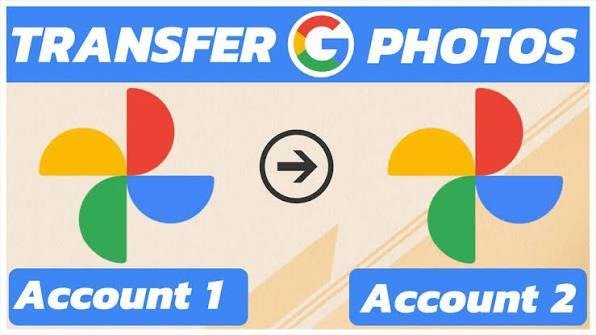
Your precious memories such as vacations, birthdays, and daily snaps are stored in your Google Photos account for years to come. If for some reason you have to switch to a different Google account, or even if your Google Photos account runs out of storage space (Google Photos is shared with Gmail and Drive in 15 GB of free cloud space)? Manually downloading thousands of photos and re-uploading them is a time-consuming and tedious process nobody wants to face. That’s exactly why learning how to transfer Google Photos to another account is worth your time. Honestly, there’s a much better way.
Why Transfer Google Photos to Another Account?
People move photo libraries for all sorts of reasons. Here are the most common scenarios:
- Account Consolidation. Over the years, many users end up with multiple Google accounts. Merging photos into a single, primary account makes organization far easier and eliminates the hassle of switching logins.
- Storage Management. Google’s free 15 GB gets consumed quickly when you factor in Gmail and Drive. If your old account is nearly full, shifting photos to a newer account with more available space is a practical solution.
- Switching to a Professional or Family Account. Families and businesses increasingly rely on shared Google Workspace accounts. Moving photos into a managed account ensures proper backup and access for the right people.
- Preserving Memories Safely. Nobody wants to lose years of photos because an old account gets forgotten or deactivated. Transferring everything to an active account protects those memories.
After understanding why a Google Photos move to another account makes sense, the next step is finding the right tool for the job.
Best Free Google Photos Migration Tool – MultCloud
Doing this manually through Google Takeout or download-and-reupload is slow, tedious, and risks losing album structures or metadata. A web-based cloud management platform, MultCloud, solves all of that at once.
MultCloud is built specifically for cloud-to-cloud operations. Here’s what makes it ideal for this task:
- Exclusive Transfer Engine. Files move directly between accounts without ever touching your local computer. That means no downloading, no waiting, and no wasted disk space.
- Support for 40+ Cloud Services. Whether you’re working with Google Photos, Google Drive, OneDrive, Dropbox, iCloud, or Box, MultCloud connects them all under one dashboard.
- Flexible Task Configuration. Set up one-time transfers or schedule recurring tasks to run automatically. You decide what moves and when.
- Email Notifications. Receive alerts the moment a transfer finishes or encounters an issue, so you’re never left wondering.
- Zero Software Installation. Everything runs in your browser. Just sign up, connect your accounts, and start moving data.
So, how to transfer Google Photos from one account to another using this solution? The guide below walks you through every step.
How to Transfer Google Photos to Another Account in 4 Steps?
Before starting:
- Make sure both Google accounts are active and have sufficient free storage to receive the incoming photos.
- A stable internet connection is essential since data travels directly through the cloud.
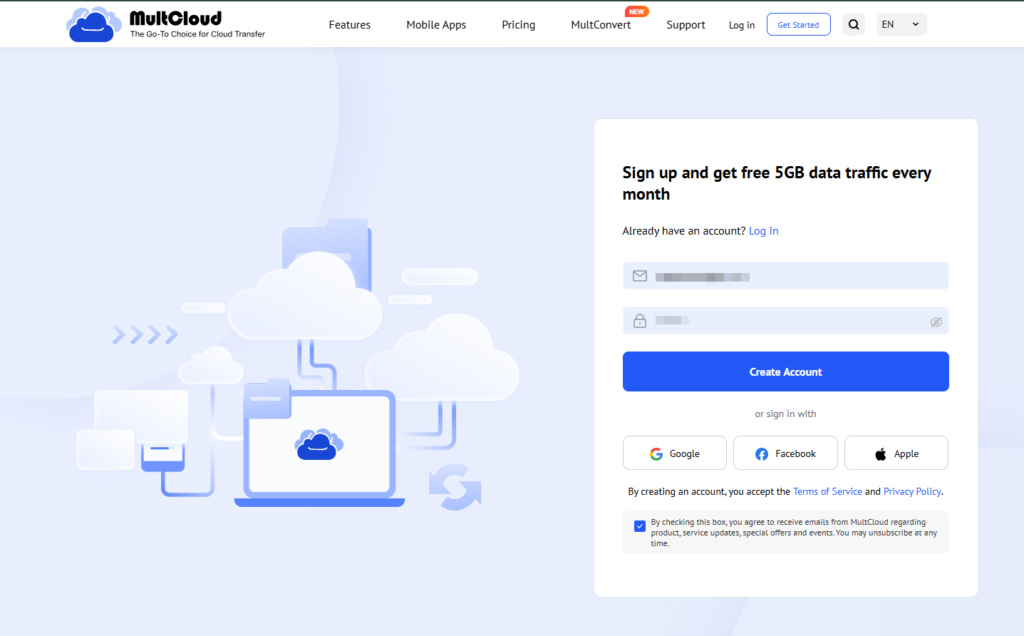
1. Sign Up for a Free MultCloud Account — Visit the MultCloud website and create a free account. No credit card is needed, and registration takes under a minute. Once you’re logged in, you’ll see the main dashboard.
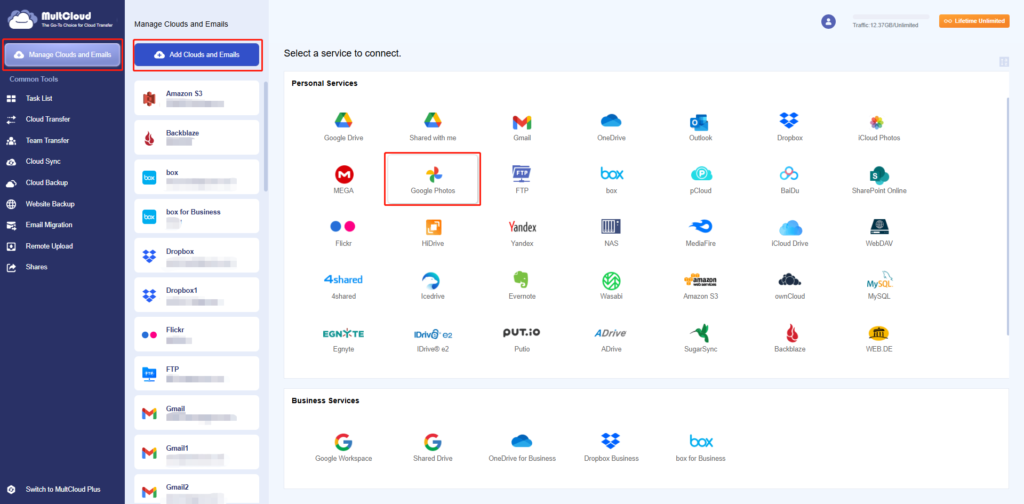
2. Add Both Google Photos Accounts — Click “Manage Clouds and Emails” in the left sidebar and choose Google Photos. Log into your source account — the one containing the photos you want to move — and authorize MultCloud to access your library. Repeat this process to add your destination Google Photos account as well.
3. Create a Cloud Transfer Task — Go to “Cloud Transfer” from the left panel. Select your source Google Photos account, then pick the albums or individual photos you want to transfer. Choose your destination Google Photos account as the target. You can also apply filters here to include or exclude specific file types.
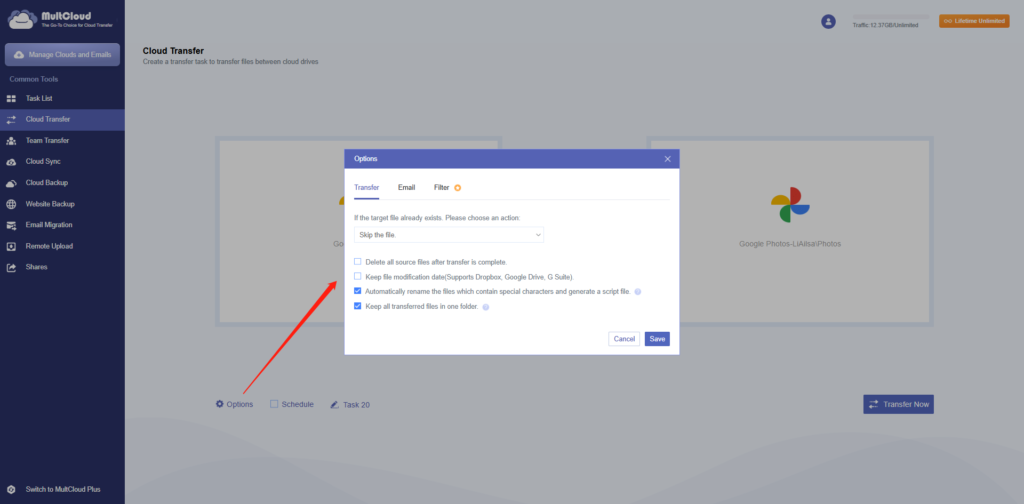
4. Start the Google Photos Transfer — Click “Transfer Now” to begin immediately. MultCloud handles the entire process in the background, shifting your images directly from one account to the other without using your local bandwidth.
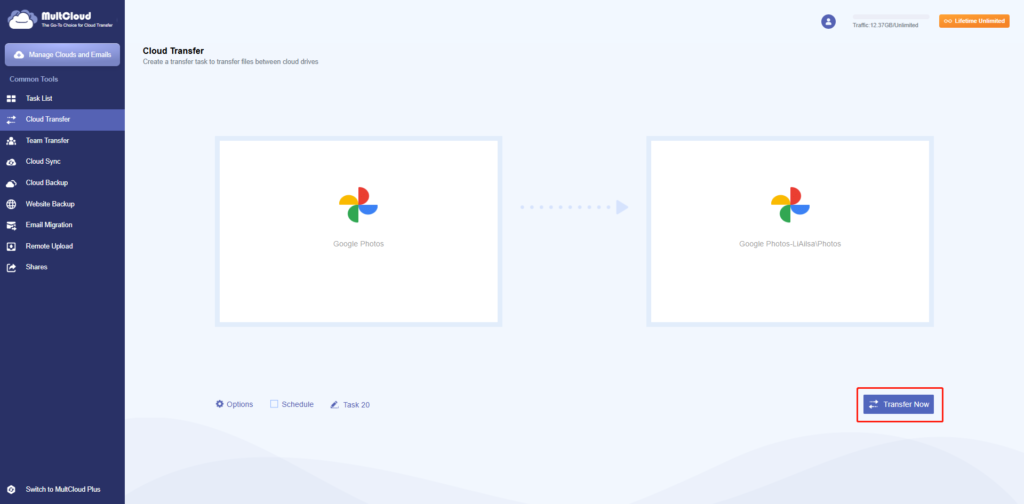
Tips:
- Take advantage of scheduled transfers if you’re moving photos in batches over several days with Schedule.
- In Options, use file filtering to skip RAW or video files if you only want JPEGs. Enable email alerts so you know exactly when each batch finishes.
- And because the transfer happens directly in the cloud, your home internet stays completely free for other tasks.
Besides syncing Google Photos to another account, you can also back up or migrate files from Google Drive to iCloud Drive, OneDrive, Dropbox, iCloud Photos, or other clouds directly with the help of MultCloud.
The End
Moving an entire photo library between Google accounts used to feel overwhelming. It’s simple now. You now know how to swiftly and securely transfer Google Photos to another account, whether you’re moving to a work profile, combining accounts, or freeing up storage.
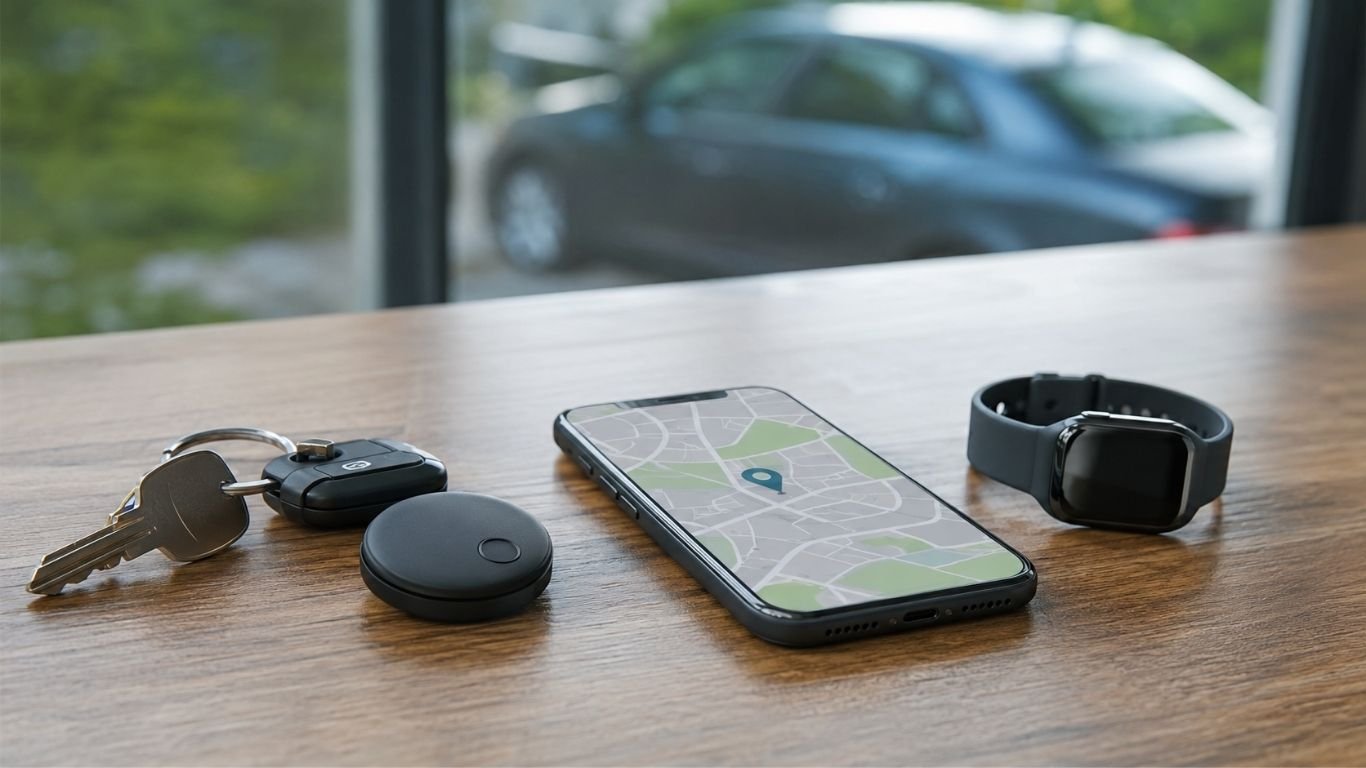
Tracqueur is a term for a tool that tracks movement, place, or online actions. The standard French spelling is traqueur. In English, people use the word tracker. These words can describe many types of tracking tools.
A tracqueur may help someone find a car, phone, bag, pet, or set of keys. It may also count steps and track sleep. Some web tools track what people do online. The meaning changes based on where people use the word.
Quick Profile
| Detail | Information |
|---|---|
| Common name | Tracqueur |
| Standard French spelling | Traqueur |
| English meaning | Tracker |
| Main purpose | To track place, movement, health, or online actions |
| Main types | GPS, Bluetooth, vehicle, fitness, and web trackers |
| Common signals | GPS, Bluetooth, WiFi, mobile data, and VHF |
| Bluetooth range | About 10 to 100 metres |
| Battery life | From several days to several years |
| Main users | Drivers, families, firms, athletes, and websites |
| Key benefit | Helps find, watch, or study a target |
| Main risk | Tracking without clear consent |
| Related French company | Traqueur SA |
| Popular brands | Apple, Tile, Chipolo, and Pebblebee |
What Is a Tracqueur?
A tracqueur is a device or program that follows a target. The target may be a person, car, pet, phone, parcel, or online user. The tool gathers useful data. It then shows that data to the user.
A physical tracqueur may track place, speed, or movement. It can store this data inside the device. It may also send the data to an app. Many modern trackers work with a mobile phone.
A web tracqueur works in a different way. It records visits, clicks, searches, and other online acts. Websites may use this data to learn what users like. Some firms also use it to show ads.
The Early History of Tracqueur Tools
People tracked places long before digital tools appeared. They used maps, signs, radio signals, and direct sight. Police also used radio tools to find stolen cars. These early systems laid the base for modern tracking.
Satellite systems later changed how tracking worked. They gave people a faster way to find a place. Smaller chips then made tracking units easier to carry. Mobile networks helped those units send live data.
Smartphones brought tracqueur tools into daily life. Users could see a lost item on a phone map. They could also get alerts when an object moved. This made tracking simple for homes and firms.
How GPS Tracqueur Devices Work?
A GPS tracqueur receives signals from satellites in space. Each signal carries time and place data. The tracker compares several signals at once. It then works out its place on Earth.
The Global Positioning System belongs to the United States. The United States Space Force now runs and cares for it. GPS works for both public and military needs. Many cars and phones use its signals each day.
A GPS unit often sends its place through mobile data. An app then shows that place on a map. Walls, tunnels, trees, and bad weather may affect the signal. For this reason, the shown place may not always be exact.
GNSS and Global Tracqueur Systems
GNSS means Global Navigation Satellite System. It is the broad name for all major satellite map systems. GPS is only one part of GNSS. Other nations and regions run their own systems.
Russia runs GLONASS, while the European Union runs Galileo. China also runs a system called BeiDou. Many modern devices can use more than one system. This may give faster and more stable results.
A tracqueur can also use WiFi or phone towers. These tools help when a satellite signal is weak. Motion sensors can add more data as well. A mix of systems often gives the best result.
Bluetooth Tracqueur Tags and Brands
A Bluetooth tracqueur is a small tag for common items. People place these tags on keys, bags, bikes, or pet collars. The tag sends a short signal. A nearby phone can read that signal.
Apple AirTag works with Apple’s Find My network. Nearby Apple devices can help report the tag’s place. The owner can then view it in an app. The system also uses safety alerts to help stop secret tracking.
Other brands include Tile, Chipolo, and Pebblebee. Some work with Apple devices, while others support Android phones. Battery life and sound levels differ by model. Buyers should check support before choosing a tag.
Tracqueur Use in Cars and Fleets
Car tracqueur systems help owners find stolen vehicles. They can also show speed, travel paths, and stop times. Fleet firms use this data to plan better routes. It may also help lower fuel use and late trips.
Traqueur SA began in France in 1997. The firm focused on stolen car recovery and vehicle location. It used radio tools linked with LoJack Corporation. LoJack became known for its VHF vehicle recovery system.
French police groups also helped with car recovery work. These included the French National Police and Gendarmerie Nationale. The ETNA Alliance joined recovery firms across Europe. This made support easier when stolen cars crossed borders.
Activity Tracqueur Devices and Health
An activity tracqueur records movement and body data. It may come as a fitness band, smart ring, or watch. Most models count steps and exercise time. Some also track sleep and heart rate.
Small sensors read how the body moves. The software turns this data into scores and charts. Users can set goals and view their progress. These tools may help people build better daily habits.
Yet, a fitness tracker is not always a medical device. Its numbers may not be fully exact. Users should speak with a doctor about health concerns. They should not use one app to make major health choices.
Web Tracqueur Software and Cookies
A web tracqueur is a small piece of code. It records what users do on a website. It may note page views, clicks, searches, and sales. Firms use this data to study their audience.
A cookie is a small file saved in a browser. It can keep a user signed in. It can also remember a cart or site choice. Some cookies help ad firms follow users across many sites.
Web tracking can make sites easier to use. Yet, it can also harm privacy. Many users do not know how much data sites collect. Clear consent and simple settings help users stay in control.
Tracqueur Privacy and Safety Risks
A tracqueur can protect a car, phone, or bag. It can also cause harm when someone uses it in secret. Hidden tracking may place a person at risk. It may also break local privacy laws.
Users should get clear consent before tracking another adult. Firms should tell workers what they track and why. Parents should also use safe settings for family tools. Every user must respect privacy and local law.
Modern phones may warn users about an unknown tag. These alerts help people find tags that move with them. Users should never ignore a strange warning. Police or a trusted support group may help if danger exists.
Music Tracqueur Software and the Demoscene
The word tracker also has a place in digital music. A music tracqueur puts notes and sounds in rows. The rows move down the screen during playback. This style gives artists close control over each sound.
Music trackers grew within the demoscene during the 1980s and 1990s. This computer group made music and art with small files. Artists reused short sound clips to save space. They still made rich and complex songs.
Well known programs include OpenMPT and MilkyTracker. These tools remain useful for game music and digital art. Some artists enjoy their clear and fast design. Tracker music still has a loyal fan base.
Tracqueur in Books, Film, and Television
Tracker stories often follow a skilled searcher. That person may find lost people or solve hard cases. Such stories turn the act of tracking into drama. They also show the risks of the job.
The CBS series Tracker stars Justin Hartley as Colter Shaw. Shaw travels across the United States to find missing people. The role comes from books by Jeffery Deaver. His novel The Never Game introduced the character.
The 2002 film The Tracker tells a much darker tale. It stars David Gulpilil, a famed Indigenous Australian actor. The film deals with race, power, and unfair rule. It shows a human tracker rather than a tracking device.
The Future of Tracqueur Technology
Future tracqueur devices may become smaller and lighter. New batteries may also last much longer. Better chips could give faster and more exact results. They may use less power at the same time.
Trackers may join GPS, Bluetooth, WiFi, and mobile data. This mix can help them work in more places. Better safety alerts may reduce secret tracking. Strong data lock tools will also remain key.
Firms will keep using tracqueur tools for cars and goods. Families will use them for bags, phones, and pets. The best tools will offer both ease and safety. Good tracking should always respect consent and privacy.
Final Thoughts
Tracqueur is a wide term with many uses. It can mean a GPS unit, Bluetooth tag, fitness watch, web script, or music tool. Each form tracks a type of action. Yet, each one works in a different way.
These tools can save time and protect costly items. They can also help firms plan trips and manage goods. Health trackers may support better daily habits. Web trackers can help sites learn what users need.
Still, tracking must have clear limits. People should know when and why someone tracks them. Safe tools need strong privacy controls. A useful tracqueur should protect people as well as property.
FAQs
What does tracqueur mean in English?
Tracqueur means tracker in English. The standard French spelling is traqueur, while tracqueur is a less common spelling.
Does every tracqueur use GPS?
No, every tracqueur does not use GPS. Some use Bluetooth, WiFi, mobile data, VHF radio, cookies, or motion sensors.
Can a Bluetooth tracqueur work from far away?
Yes, it may work through a shared phone network. Nearby phones can report the tag’s place to its owner.
Is using a tracqueur legal?
Tracking your own items is often legal. Secret tracking of another adult may break privacy, consent, or stalking laws.
What can people track with a tracqueur?
People can track cars, phones, bags, keys, pets, parcels, steps, sleep, and website use with different tracqueur tools.

How an Education Consultant Can Help with Harrow School Admissions

What Is Tsunaihaiya? A Guide to Its Rings, Bangles, and Bracelets

Do You Need to Speak Polish to Apply for Citizenship by Descent?
-

 Technology3 months ago
What Is Nerwey? A Complete Guide To The Online Platform
-

 Biography6 months ago
Who Is Renee Berry? The Untold Story of Halle Berry’s Half Sister
-

 Celebrity6 months ago
Who Is Joseph Toney Biography? The Untold Story of Shaquille O’Neal’s Father
-

 Celebrity6 months ago
Who Is Rodney Tyson? The Untold Story of Mike Tyson’s Brother
-

 Celebrity6 months ago
Who Is Roslyn Jordan? All About Sister of basketball icon Michael Jordan
-

 Biography6 months ago
Who Is Jenna Shue? All About Elisabeth Shue’s Sister and Her Corporate Career
-

 Celebrity5 months ago
Married at Just 16: The Controversial First Marriage of Jerry Lee Lewis and Dorothy Barton
-

 Celebrity6 months ago
Who Is Kazembe Ajamu Coleman? A Complete Biography of Zendaya’s Father