
Business
Who Is Reza Jarrahy? Geena Davis’ Ex-Husband, Net Worth, Family, and Career

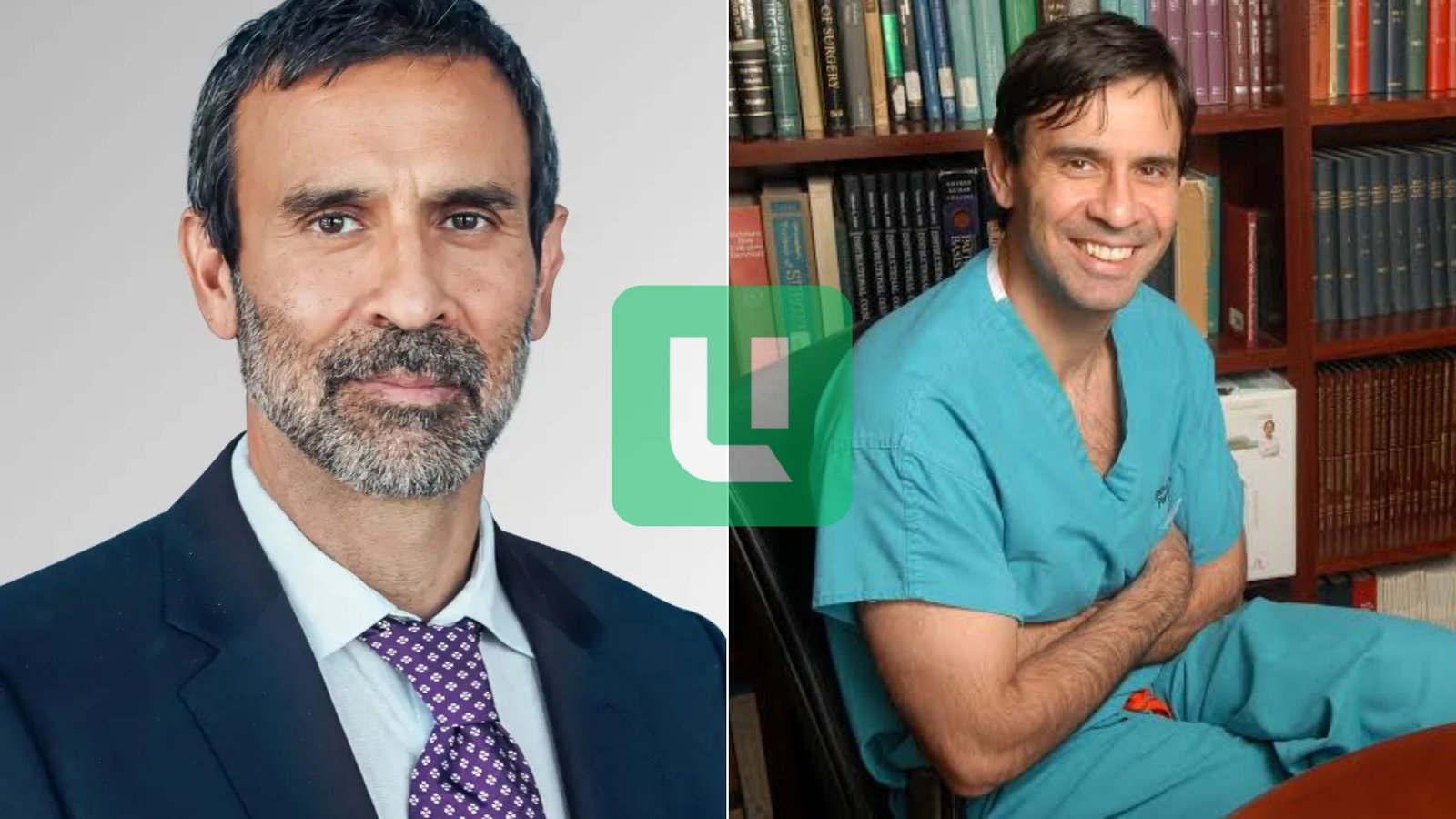
Reza Jarrahy is an American craniofacial plastic surgeon, medical educator, researcher, and humanitarian doctor best known publicly as the ex-husband of Academy Award-winning actress Geena Davis. While celebrity audiences often recognize his name because of his long relationship with Davis, his professional identity stands strongly on its own. He has built a respected career in complex reconstructive surgery, especially procedures involving the head, face, skull, jaw, and pediatric birth defects.
Quick Bio
| Bio Field | Details |
|---|---|
| Full Name | Reza Jarrahy |
| Profession | Craniofacial and pediatric plastic surgeon |
| Known For | Medical career and being Geena Davis’ ex-husband |
| Date of Birth | December 14, 1970 |
| Age | 55 years old as of 2026 |
| Birthplace | New York City, United States |
| Nationality | American |
| Ethnicity | Iranian-American |
| Education | Hunter College High School, Stanford University, SUNY Stony Brook |
| Field | Plastic surgery, craniofacial surgery, pediatric reconstruction |
| Major Affiliation | UCLA Health and David Geffen School of Medicine |
| Estimated Height | 5 feet 8 inches / 173 cm |
| Estimated Weight | 70 kg / 154 lbs |
| Estimated Net Worth | $5 million to $10 million |
| Former Partner | Geena Davis |
| Children | Three children: Alizeh, Kaiis, and Kian |
| Relationship Status | Publicly private after divorce |
| Main Income Sources | Surgery, academic medicine, research, teaching, medical leadership |
| Social Media | Limited verified public presence |
| Lifestyle | Private, professional, academic, family-focused |
Early Life and BackgroundOf Reza Jarrahy
Reza Jarrahy was born on December 14, 1970, and was raised in New York City. He comes from an Iranian-American background, which adds an important cultural dimension to his identity and personal story. Growing up in a demanding academic environment helped shape the discipline that later became central to his career as a surgeon.
He attended Hunter College High School, one of New York City’s most academically competitive public schools. Reports describe him as an outstanding student, and his early academic success prepared him for higher education at one of America’s most respected universities. His interest in science, culture, and medicine appears to have developed through a combination of intellectual curiosity and personal ambition.
His background is also important because it reflects a broader success story often seen among high-achieving medical professionals. Before becoming a well-known surgeon, he followed a long path of education, exams, residency training, fellowships, and clinical practice. That journey requires patience, emotional strength, and years of professional commitment.
Reza Jarrahy Education and Medical Training
Education played a central role in shaping the career of Reza Jarrahy. After completing his early schooling in New York, he attended Stanford University, where he earned a bachelor’s degree. Publicly available professional summaries have associated his studies with Biological Sciences and Italian Studies, showing both scientific focus and broad academic range.
He later pursued medical training at SUNY Stony Brook, where he earned his medical degree. From there, he entered the difficult and highly competitive world of surgical training. Plastic surgery, especially craniofacial and pediatric reconstruction, demands advanced technical skill, excellent judgment, and years of supervised practice.
His training reportedly included surgical residency experience at major institutions such as NYU and UC San Diego, followed by a craniofacial surgery fellowship at UCLA. Fellowship training is especially important in this specialty because craniofacial cases often involve children, complex anatomy, long-term development, and multidisciplinary treatment planning.
This educational path explains why he became qualified to handle challenging reconstructive procedures. It also helped him enter academic medicine, where doctors not only treat patients but also train future surgeons and contribute to research.
Medical Career and Professional Rise
The medical career of Reza Jarrahy is centered on craniofacial and pediatric plastic surgery. This field focuses on correcting and reconstructing conditions affecting the skull, face, jaws, and related structures. Unlike cosmetic surgery that is often associated with appearance-based procedures, craniofacial surgery frequently restores function, improves breathing or feeding, supports speech development, and helps patients live with greater confidence.
He has been affiliated with UCLA Health and the David Geffen School of Medicine, where he has served in academic and clinical roles. His work has included teaching medical students, residents, and fellows while also treating patients with complex surgical needs. Academic surgeons often balance operating room duties with research, lectures, administrative leadership, and patient consultations.
His rise in medicine reflects consistent dedication rather than overnight fame. Becoming a trusted craniofacial surgeon takes years of experience and professional recognition. It also requires collaboration with pediatricians, neurosurgeons, dentists, orthodontists, speech specialists, nurses, and rehabilitation teams.
That multidisciplinary style is one reason his work carries long-term value. Many patients require care over years, especially children born with craniofacial differences. His career is therefore not only about surgery but also about continuity, planning, and compassionate care.
UCLA Roles and Surgical Leadership
One of the strongest parts of Reza Jarrahy’s professional profile is his connection to UCLA. He has been associated with major clinical programs involving craniofacial treatment, pediatric reconstruction, and face transplantation. These roles place him in a high-level medical environment where advanced research and patient care often intersect.
He has been described as a Clinical Professor of Surgery, Neurosurgery, and Pediatrics at the UCLA David Geffen School of Medicine. These titles reflect the cross-disciplinary nature of his work. Craniofacial surgery often involves both plastic surgery and neurosurgery because some conditions affect the skull and brain development. Pediatric involvement is also essential because many patients are infants, children, or teenagers.
He has also been linked with leadership positions such as Co-Director of the UCLA Craniofacial Clinic and Co-Director of the UCLA Face Transplant Program. These programs require not only surgical skill but also administrative judgment, team coordination, ethics, and long-term patient follow-up.
His leadership demonstrates professional success beyond operating-room performance. It shows that he is trusted in education, planning, collaboration, and institutional service.
Areas of Surgical Expertise
Reza Jarrahy specializes in several areas of reconstructive surgery. His work includes cleft lip and palate repair, craniosynostosis surgery, jaw reconstruction, ear reconstruction, pediatric facial surgery, and treatment of complex head and neck conditions. These procedures can dramatically affect a patient’s ability to speak, eat, breathe, see, hear, and interact socially.
Cleft lip and palate cases often require multiple stages of care from infancy through adolescence. Craniosynostosis, a condition involving premature fusion of skull bones, may require surgery to support healthy skull and brain growth. Jaw deformities can affect chewing, speech, facial balance, and breathing. Ear reconstruction can help patients born with ear differences or those affected by trauma.
He has also been connected to facial feminization and reconstructive procedures that support patients with deeply personal medical needs. In these areas, technical precision and emotional sensitivity are both essential.
His expertise represents the kind of medical success that changes lives quietly. Patients may not become headlines, but the impact of skilled reconstructive care can last for generations.
Reza Jarrahy Research and Academic Contributions
Beyond clinical surgery, Reza Jarrahy has been involved in research and academic development. His work has been associated with regenerative biology, tissue repair, stem cell research, and bone engineering. These fields are important because reconstructive surgery is constantly evolving through new techniques, materials, and biological discoveries.
Research in bone repair and tissue regeneration can improve future treatment for children with craniofacial abnormalities, trauma patients, and individuals needing complex reconstruction. Academic surgeons who participate in research help push medicine beyond current limitations.
He has also contributed to surgical education. Training the next generation of surgeons is a major responsibility because craniofacial surgery requires years of mentorship and hands-on learning. A surgeon’s legacy can therefore be measured not only by patients treated but also by students trained.
His academic path adds depth to his biography. He is not simply a practicing doctor; he is part of a wider medical community working to improve standards of care, advance science, and support future physicians.
Humanitarian Work and Global Health
One of the most admirable parts of Reza Jarrahy’s biography is his humanitarian work. He has been involved in global health efforts that provide reconstructive surgery to underserved children in developing countries. These missions often focus on children with cleft lip, cleft palate, burns, facial deformities, or other conditions that may not be treated locally due to limited medical access.
Humanitarian surgery requires more than medical skill. It involves cultural sensitivity, teamwork, travel, planning, fundraising, and the ability to work in challenging environments. Doctors who participate in these missions often help children whose lives may be transformed by a single operation.
He has been associated with Operation Smile and recognized for work connected to humanitarian health efforts. Such efforts strengthen his public image as a physician whose work extends beyond wealthy hospital systems and private patients.
This global service also contributes to his success story. True success in medicine is not only measured by titles, income, or institutional prestige. It is also measured by service, compassion, and the ability to use expertise for people who need it most.
Reza Jarrahy Marriage to Geena Davis
Reza Jarrahy became widely known outside the medical world through his relationship with actress Geena Davis. Davis is an Oscar-winning actress recognized for films such as The Accidental Tourist, Thelma & Louise, A League of Their Own, Beetlejuice, and The Long Kiss Goodnight. Their relationship brought public attention to his private life, even though he was not part of the entertainment industry.
The couple began their relationship in the late 1990s and were publicly described for years as married. Their partnership lasted for many years and included family life with three children. Because Davis was already a globally recognized actress, the relationship naturally attracted media attention.
However, he generally avoided celebrity-style publicity. He appeared to remain focused on medicine and family while Davis continued her work in film, television, activism, and gender representation advocacy.
The relationship later ended in a highly publicized legal separation. Even so, their years together remain a major part of his public biography, especially because many readers search for him as Geena Davis’ ex-husband.
Divorce and Legal Dispute
The separation between Reza Jarrahy and Geena Davis became public when he filed for divorce in 2018. The case attracted attention because Davis reportedly argued that they had never been legally married under California law. This unusual legal dispute made their breakup more complicated than a standard celebrity divorce.
The matter involved questions around ceremony, legal recognition, partnership, finances, and family arrangements. Their split was finalized in 2021, ending a long relationship that had lasted for many years. Because both individuals had children together, the situation also involved family responsibilities beyond legal status.
For biography writing, it is safest to describe him as the former partner or ex-husband of Geena Davis, while noting that the legal dispute included disagreement over whether the marriage was valid. This wording avoids exaggeration and keeps the tone accurate.
Despite the attention surrounding the divorce, he did not become known for scandal. His larger public identity remains connected to medicine, fatherhood, and professional achievement.
Children and Family Life
Family is an important part of the Reza Jarrahy story. He and Geena Davis share three children: a daughter, Alizeh, and twin sons, Kaiis and Kian. Their children have mostly been kept away from heavy public exposure, which reflects both parents’ interest in privacy.
His family tree includes his Iranian-American roots, his children with Davis, and his connection to a high-profile Hollywood household through his former relationship. However, unlike many celebrity family stories, his family life has generally remained private and protected from excessive media attention.
As a father, he appears to value stability and privacy. Since his work as a surgeon is demanding, balancing family life with medical responsibilities likely required discipline and strong time management. Doctors in high-pressure specialties often face long hours, emergency responsibilities, and emotional strain, making family balance especially meaningful.
His children remain one of the most important parts of his personal biography. For readers interested in celebrity family connections, his role as a father to Davis’ three children is a central detail.
What Is Reza Jarrahy Net Worth?
The estimated net worth of Reza Jarrahy is commonly placed between $5 million and $10 million. This figure is an estimate because he has not publicly confirmed his personal finances. His wealth likely comes from a combination of surgical practice, academic appointments, medical consulting, research leadership, and professional roles in elite healthcare institutions.
Craniofacial plastic surgeons with high-level academic and clinical careers can earn significant income, especially when they hold leadership roles and have decades of experience. However, academic medicine can differ from purely private practice, and not all doctors earn celebrity-level wealth despite having prestigious titles.
His estimated net worth should therefore be described carefully. It is reasonable to place him in the multi-million-dollar range based on his long medical career, but exact figures are not publicly documented.
Compared with Hollywood celebrities, his financial profile is more professional than entertainment-based. His wealth reflects years of specialized education, surgical expertise, institutional credibility, and leadership in medicine.
Lifestyle and Private Personality Of Reza Jarrahy
The lifestyle of Reza Jarrahy appears to be private, professional, and centered on medicine, family, and service. He is not known for public luxury displays, reality television appearances, or constant media activity. Instead, his public image is shaped by hospital work, academic roles, humanitarian service, and his former marriage to Geena Davis.
His lifestyle likely includes the demanding schedule of a senior surgeon. Complex reconstructive surgery requires preparation, consultations, operating room time, patient follow-up, academic meetings, and teaching. This is not a casual profession; it demands mental focus and emotional resilience.
He has also traveled for humanitarian medical work, which suggests a life that combines professional achievement with service. While celebrity-connected biographies often focus on mansions, red carpets, and social events, his story is different. It is more about achievement through education, skill, and long-term commitment.
His private nature may also explain why there is limited public information about his current dating life or personal routines. He seems to prefer professional credibility over celebrity visibility.
Height, Weight, Age, and Personal Details
Reza Jarrahy was born on December 14, 1970, which makes him 55 years old as of 2026. His estimated height is around 5 feet 8 inches, or 173 centimeters, and his estimated weight is around 70 kilograms, or 154 pounds. These physical details are estimates because he has not publicly confirmed them in a widely verified personal profile.
He is American and of Iranian-American background. His professional appearance is usually polished and academic, matching his role as a medical expert and professor. Unlike entertainment personalities, he has not built a brand around public image, fitness, fashion, or celebrity styling.
His personal details are best understood within the context of his career. He is a physician first, not a media celebrity. That means much of his life remains outside public databases, gossip coverage, and entertainment reporting.
For article purposes, estimated figures such as height, weight, and net worth should always be presented as approximations rather than confirmed facts.
Social Media and Public Image
The social media presence of Reza Jarrahy is limited compared with celebrities, influencers, or entertainment figures. Although some public-facing accounts and professional references may exist, he is not widely known as a social media personality. His public visibility comes mainly from medical profiles, professional roles, interviews, institutional pages, and coverage connected to Geena Davis.
This limited social media activity supports his private image. Many doctors avoid heavy personal exposure online because of patient privacy, professional boundaries, and the seriousness of medical work. For surgeons, reputation is often built through patient outcomes, peer respect, research, teaching, and institutional affiliation rather than viral posts.
His public image is therefore professional and restrained. People searching for him online usually want to know about his relationship with Davis, his children, his medical career, or his financial status. However, the strongest part of his image remains his medical expertise.
In today’s digital world, privacy can itself become part of a public personality. His limited online presence makes him appear more focused, reserved, and professionally grounded.
Success Story and Legacy
The success story of Reza Jarrahy is not a typical celebrity narrative. It is the story of a highly trained surgeon who moved through elite academic pathways, developed expertise in a demanding specialty, served patients with complex needs, and became connected to a famous Hollywood figure through marriage.
His legacy in medicine is built on craniofacial surgery, pediatric reconstruction, teaching, research, and humanitarian service. These areas require patience and responsibility. A child born with a facial difference may need several operations, emotional support, speech care, dental planning, and long-term follow-up. Surgeons in this field often become part of a patient’s life story.
His professional journey also shows that public recognition can come from different directions. Some know him because of Geena Davis. Others know him because of UCLA, craniofacial medicine, face transplant work, or global surgery efforts. Together, these elements create a layered biography.
His success is best measured through skill, service, education, and impact. That makes his story valuable for readers interested in both celebrity family connections and meaningful professional achievement.
Final Thoughts
Reza Jarrahy is much more than Geena Davis’ ex-husband. He is a respected craniofacial and pediatric plastic surgeon with a long record in academic medicine, reconstructive surgery, research, teaching, and humanitarian work. His life combines elite education, medical leadership, family responsibilities, and public curiosity because of his former relationship with one of Hollywood’s most admired actresses.
His estimated net worth, private lifestyle, limited social media activity, and strong medical career all point to a man who has built recognition through expertise rather than fame-seeking. While his personal life has received attention due to his relationship with Davis, his professional work remains the strongest part of his identity.
In a world where celebrity connections often overshadow real achievement, his biography stands out because it includes both public interest and genuine professional substance. He represents a successful doctor, father, educator, and humanitarian whose work continues to matter far beyond entertainment headlines.
FAQs
1. Who is Reza Jarrahy?
Reza Jarrahy is an American craniofacial and pediatric plastic surgeon. He is also widely known as the former partner and ex-husband of actress Geena Davis.
2. What is Reza Jarrahy’s net worth?
His estimated net worth is between $5 million and $10 million. This is an estimated figure based on his long medical career, academic roles, and surgical leadership.
3. How old is Reza Jarrahy?
He was born on December 14, 1970, making him 55 years old as of 2026.
4. Does Reza Jarrahy have children?
Yes. He shares three children with Geena Davis: daughter Alizeh and twin sons Kaiis and Kian.
5. What is Reza Jarrahy known for professionally?
He is known for craniofacial plastic surgery, pediatric reconstructive surgery, cleft lip and palate treatment, craniosynostosis repair, academic medicine, research, and humanitarian surgical work.

Connecticut 203, officially known as Connecticut Route 203, is a short state highway in eastern Connecticut. The road lies completely within the town of Windham and provides a direct north-south connection between several local communities.
The highway begins at Route 32, also called Windham Road, near South Windham. It then travels north through Windham Center before reaching U.S. Route 6, or Boston Post Road, in North Windham.
Connecticut 203 covers only 5.32 miles or 8.56 kilometers. However, it serves as an important local route for residents, workers, businesses, and visitors moving through the Windham area.
What Is Connecticut 203?
Connecticut 203 is a numbered state road maintained as part of the Connecticut highway system. Unlike major highways that cross several counties, Route 203 stays within one town.
The route connects the southern part of Windham with Windham Center and North Windham. It is mainly a two-lane local road. The surroundings include homes, wooded areas, small intersections, local properties and community roads.
Although the highway is short, it connects motorists with two larger routes. Route 32 provides access toward Willimantic, Norwich and other communities south of Windham. U.S. Route 6 offers connections toward Mansfield, Columbia, Chaplin and other parts of eastern Connecticut.
Where Does Connecticut Route 203 Begin?
The southern end of Connecticut Route 203 is located at its intersection with Route 32, known locally as Windham Road.
From this junction, drivers traveling north enter the first section of Route 203. This part of the highway is called Windham Center Road. The road passes through a mostly residential and wooded setting as it moves toward historic Windham Center.
Drivers reaching Route 32 from Route 203 must turn north or south. Route 203 does not continue beyond this junction.
Connecticut 203 Route Description
The 5.32-mile route can be divided into three main sections. Each part has a different local road name.
Windham Center Road
The southern section begins at Route 32 and runs north as Windham Center Road.
This part of Connecticut 203 provides access to homes, local streets and the Windham Center area. The road follows a simple two-lane layout and passes through a quiet part of the town.
After about 1.7 miles, Route 203 reaches Route 14. At this point, the two state highways begin traveling together.
North Road and the Route 14 Overlap
Connecticut 203 shares a section of road with Route 14. This is known as an overlap or concurrency because two route numbers use the same road.
The shared section follows North Road for approximately 0.82 miles. Signs along this part of the highway may display both Route 14 and Route 203.
Route 14 later turns west onto Brick Top Road. Connecticut 203 leaves the shared section and continues north. The official highway log places the beginning of the overlap at mile 1.70 and its end at mile 2.52.
North Windham Road
After leaving Route 14, Connecticut 203 becomes North Windham Road.
This is the longest northern section of the highway. It continues through wooded and residential areas toward North Windham. Drivers also pass the area around Beaver Hill Road before approaching U.S. Route 6.
North Windham Road ends at Boston Post Road, which carries U.S. Route 6. Drivers must turn east or west because Route 203 ends at this intersection.
Where Does Connecticut 203 End?
The northern end of Connecticut 203 is at U.S. Route 6 in North Windham. Route 6 is called Boston Post Road in this area.
This intersection gives local drivers access to a larger east-west highway. Westbound Route 6 leads toward Mansfield, Coventry and Columbia. Eastbound travel provides access toward Chaplin and other eastern Connecticut communities.
The Route 203 intersection is therefore useful for people traveling between smaller Windham roads and the wider regional road network.
Why Is Connecticut 203 Important?
Connecticut 203 may not carry the same traffic as a major interstate, but it still performs several important local functions.
First, it creates a direct connection between Route 32 and U.S. Route 6. Without Route 203, drivers moving between these roads might need to use longer local routes.
Second, the highway serves Windham Center and North Windham. Residents use it to reach homes, businesses, schools, trails and nearby communities.
The route also helps distribute local traffic. This reduces the need for every driver to travel through the busiest parts of Willimantic or use smaller residential streets.
Connecticut 203 and the Air Line State Park Trail
One notable feature near Route 203 is the Air Line State Park Trail. The trail follows parts of a former railroad corridor and forms part of a larger recreational network in eastern Connecticut.
Town planning documents identify a busy trail crossing near the Route 203 and Beaver Hill Road area. A Windham transportation project has also considered improvements such as a pedestrian bridge, parking relocation and trail resurfacing near this section.
The wider Air Line and Hop River trail network supports walking, cycling and other outdoor activities. Connecticut transportation officials have described these trails as part of a regional network connected with the East Coast Greenway.
Drivers should watch for trail users, crossing signs and possible changes in traffic near recreational access points.
What Is It Like to Drive on Connecticut 203?
Driving on Connecticut 203 is generally simple because the road is short and follows a clear north-south path.
Much of the highway has one lane in each direction. Drivers may see curves, wooded shoulders, homes, utility lines and local intersections. Some areas have limited space along the roadside.
The trip from one end to the other may take around 10 to 15 minutes in light traffic. Actual travel time can change because of weather, road work, school traffic or delays at major intersections.
Motorists should follow posted speed limits and avoid passing where road markings or signs prohibit it.
Connecticut 203 Driving Tips
Before using Route 203, drivers should check current road and weather conditions. Snow, ice and heavy rain can affect smaller state roads in eastern Connecticut.
Pay close attention while passing through the shared Route 14 section. Route signs can help motorists remain on Route 203 when the two highways separate.
Drivers should also slow down near residential properties, trail crossings and railroad crossings. People may be entering the road from driveways or side streets.
At the northern end, prepare to turn before reaching U.S. Route 6. Connecticut 203 does not continue across Boston Post Road under the same route number.
Is Connecticut 203 a Major Highway?
Connecticut 203 is not a major expressway or interstate. It is a short state route designed mainly for local and regional traffic.
There are no freeway-style entrance ramps along most of the road. Drivers will encounter normal intersections, traffic signals, roadside properties and local access points.
Its value comes from convenience rather than size. The route creates a practical link across Windham and provides access to two larger highways.
Final Thoughts
Connecticut 203 is a small but useful part of Windham’s road network. Its 5.32-mile path connects Route 32 near South Windham with U.S. Route 6 in North Windham.
Along the way, the highway passes through Windham Center, shares a short section with Route 14 and provides access to residential areas and recreational trails. Its three local names reflect the different parts of town it serves.
For local drivers, Connecticut Route 203 offers a clear and direct route across Windham. For visitors, it provides a simple way to travel between the town’s southern, central and northern areas.
FAQs
How long is Connecticut 203?
Connecticut 203 is 5.32 miles, or approximately 8.56 kilometers, from Route 32 to U.S. Route 6.
Where is Connecticut Route 203 located?
The entire highway is located within the town of Windham in eastern Connecticut. It does not enter another town or county.
What roads does Connecticut 203 connect?
Route 203 connects Connecticut Route 32 in the south with U.S. Route 6 in North Windham.
Does Connecticut 203 share the road with another route?
Yes. Connecticut 203 shares approximately 0.82 miles of North Road with Route 14.
What are the local names for Route 203?
Different sections are known as Windham Center Road, North Road and North Windham Road.

Syrenis strategic initiatives focus on safe and clear data use. The firm helps large groups manage consent and store choices. Those choices can move across many tools. This can lower risk and build trust.
Syrenis works in privacy technology. Its tools cover consent, data rights, and privacy notices. The platform links sites, apps, sales tools, and help desks. Each team can then see the same choice. This helps a firm respect what each person wants.
Quick Facts
| Fact | Verified Detail |
|---|---|
| Company | Syrenis Limited |
| Business type | Privacy tech for large firms |
| Founded | 2000 |
| Home market | United Kingdom |
| US offices | Austin and Atlanta |
| Main work | Consent and choice control |
| System links | More than 350 |
| Key support | Google Consent Mode v2 and IAB TCF v2.3 |
| Named partners | Myna Partners and The Data Privacy Group |
| Main clients | Large firms with strict data rules |
What Are Syrenis Strategic Initiatives?
Syrenis strategic initiatives guide its plans for growth. They also shape its main tech. Syrenis wants firms to manage consent in one place. It then sends each choice to other tools.
Consent can change at any time. A user may say yes today and no later. The system must note that change fast. It must also update every linked tool.
This plan gives teams one clear record. It can stop old data from being used. It can also help staff give better service. Clear choices can build more trust.
How Do Syrenis Strategic Initiatives Drive US Growth?
The growth plan includes the United States. Syrenis lists offices in Austin and Atlanta. These sites bring it near US buyers and help with support.
Many US states now have privacy laws. The rules can differ by state. A large group may serve many states. That makes data work hard.
Syrenis aims to meet this need. Its tools can hold rules for many areas. They can also apply each rule to the right user. This gives the firm more room to grow.
Syrenis Strategic Initiatives and the OneTrust Offer
The roadmap includes a direct sales push. One offer is for firms that use OneTrust. Syrenis gives them a path to move with less pain.
Syrenis can move old consent records. It can use data files or system links. It can map cookie groups, consent types, and old records.
This plan has a clear aim. Syrenis wants clients from a large rival. It also wants to show its main strength. That strength is a sharp focus on consent and user choice.
How Do Syrenis Strategic Initiatives Use Partners?
The firm uses expert partners. Myna Partners is one named partner. The firms work on consent projects. Myna adds advice and project help.
Syrenis also works with The Data Privacy Group. This deal links tech with privacy skill. Clients can get a tool and expert aid for hard projects.
The firm has also shared work tied to KPMG. Such links can open new doors. They can bring Syrenis to more large clients. They may also help teams set up the tool well.
Why Do Syrenis Strategic Initiatives Need 350 Plus Links?
The plan gives great value to system links. Syrenis says it has more than 350 links. These links join its platform with work tools and move data fast.
A large firm may use many apps. It may use sales, service, email, and ad tools. Each app may hold a different choice.
Syrenis aims to fix that gap. It sends one fresh choice to each linked tool. This can stop mixed records. It can also help every team follow the same rule.
Real Time Consent and Identity Matching
The platform treats consent as live data. A new choice should move at once through APIs. These links can send and get data fast.
A person may use more than one device. The person may first visit as a guest. Later, that user may make an account. The system must join both records.
Syrenis says its tool can match such records. It can join choices across sites and devices. This can cut repeat profiles. It can also give the user a more steady path.
Syrenis Strategic Initiatives for IAB TCF v2.3
Syrenis supports IAB TCF v2.3. This set of rules helps sites share consent signs in online ads. It also gives vendors a shared data form.
Syrenis can hold vendor lists and use goals. It can store consent strings. It keeps records that show what a user chose.
The support is key for news and ad firms. They may work with many vendors. Each vendor needs a clear consent sign. A shared form makes that task much easier.
Progressive Profiling and Better Customer Data
The product plan also covers progressive profiling. This method asks for small facts over time. It avoids one long form and makes each step feel easy.
A brand may ask for a name first. It may ask about likes later. Each request needs a clear reason and a fair choice.
This method can help firms learn more. It can also cut form stress. Yet trust must come first. Firms must say why they need each new fact.
Syrenis Strategic Initiatives in Strict Industries
Syrenis serves fields with strict data rules. These include health, finance, travel, retail, media, and energy. Such firms may hold private facts across many legal areas.
One clear consent record can help. Staff can see what a user allowed. Linked tools can get the same choice. This can reduce mistakes.
Syrenis also has tools for data rights. It supports privacy notices as well. These tools can help with more than consent. They can make privacy work easier to track.
How Can Syrenis Strategic Initiatives Build Trust?
The company aims to make choice clear. People want to know how firms use data and change a choice. A good tool can support both needs.
A clear screen can show simple options. The system can then save each choice. It sends that choice to staff tools, so each team acts the same way.
Trust can lead to long term value. A user may stay with a fair brand. The firm may also get cleaner data. Both sides gain from clear rules.
Business Value and Future Growth
The roadmap links privacy with real business value. Good consent data can stop waste. It can stop wrong emails and cut repeat forms.
Legal teams gain a clear record. Sales and service teams gain fresh data. Users gain more control. Syrenis strategic initiatives try to join all three needs.
The next test is steady work. Large clients need safe tools and good help. They also need proof that the system can scale. Syrenis must meet those needs as it grows.
Bottom Line
Syrenis strategic initiatives show a clear plan. The firm wants more US growth. It also wants new clients through deals and partners.
The product plan stays focused. It covers consent, choice, identity, and data links. More than 350 links support the platform and online ad work.
The main idea is easy to see. Syrenis wants privacy to aid trust and growth. It does not see privacy as a box to tick. It sees it as core business work.
FAQs
What Is the Goal of Syrenis Strategic Initiatives?
The goal is to keep consent and user choices in one place. The system can then share those choices with other work tools. This can lower risk. It can also help firms give fair and clear service.
How Many System Links Does Syrenis Offer?
Syrenis says its platform has more than 350 system links. These can connect privacy data with sales tools, help desks, ad apps, and email tools. The links help teams use one fresh record.
Does Syrenis Support IAB TCF v2.3?
Yes. Syrenis says it supports IAB TCF v2.3. The platform can handle vendors, use goals, consent strings, and check records. This helps sites share clear consent signs with ad firms.
Is Syrenis an Option Instead of OneTrust?
Yes. Syrenis sells its platform to firms that may want to leave OneTrust. It offers help for moving consent records. A buyer should still check both tools against its own needs.
Where Does Syrenis Work?
Syrenis has its home base in the United Kingdom. It also lists US offices in Austin and Atlanta. These offices support sales, client help, and wider growth in North America.
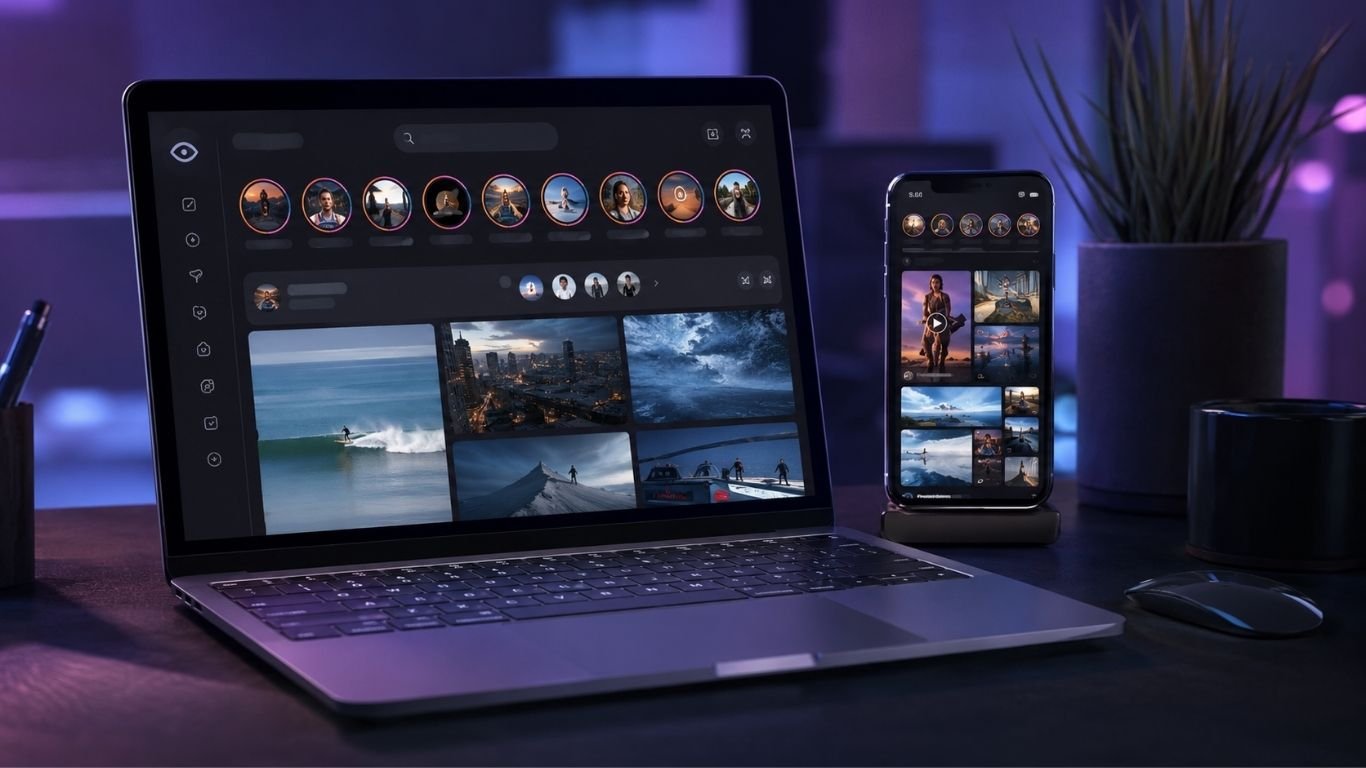
InSnoop is a free tool for viewing public Instagram content. It works through a web browser. People do not need an account to use it. They also do not need to share an Instagram password. The tool can show public stories, posts, reels, and highlights.
People often use InSnoop when they want more privacy. Their name does not appear on the story viewer list. Still, InSnoop is a third party tool. Instagram and Meta Platforms do not own or run it.
Quick Bio
| Profile Detail | Information |
|---|---|
| Name | InSnoop |
| Type | Online Instagram viewer |
| Main purpose | Viewing public Instagram content without an account |
| Website | InSnoop.com |
| Estimated launch period | Early 2020s |
| Price | Free |
| Account required | No |
| Instagram login required | No |
| Main content | Stories, posts, highlights, reels, photos, and videos |
| Private account access | No |
| Download feature | Available for some public media |
| Supported devices | Phones, tablets, laptops, and computers |
| Main platform | Web browser |
| Current status | Active web tool as of July 2026 |
What Is InSnoop?
InSnoop is an online Instagram story viewer. It lets people search for public Instagram pages. Users can then view the content shown by the tool. They do not need to sign up. They also do not need to connect a personal social media account.
The service has a simple search box. A visitor enters an Instagram username. InSnoop then looks for public stories, posts, or other media. The content appears on the InSnoop website. This keeps the visitor away from the normal Instagram viewer list.
InSnoop cannot open private pages. It cannot unlock hidden posts or Close Friends stories. It only searches for media that is open to the public. This rule is one of its main limits.
The History and Growth of InSnoop
Few clear facts exist about the early history of InSnoop. Its website does not name a famous founder. It also does not share a full company story. The service seems to have grown during the rise of online tools for viewing Instagram stories.
Instagram Stories became a popular way to share short updates. However, Instagram normally tells the owner who viewed each story. Some people wanted to watch public stories without sharing their names. Tools like InSnoop began to serve that need.
By 2026, many technology websites had written about InSnoop. They studied its tools, speed, privacy, and risks. This wider coverage helped make its name known. Yet it remains a small web tool, not a major social media company.
How InSnoop Works?
InSnoop works as a middle service. A user does not open the story through a personal Instagram account. Instead, the user enters a public username on InSnoop. The tool then sends a request for the public content.
The request may pass through an outside server or proxy. That server collects the open media and shows it on another page. The visitor’s Instagram name is not tied to the request. As a result, it should not enter the story viewer list.
InSnoop does not explain every part of its system. Some results may come from stored or cached data. This can cause a short delay. A new story may not appear at once, even when it is already live on Instagram.
Main Features of InSnoop
The best known feature is anonymous Instagram viewing. Users can watch public stories without signing in. They can also search for posts, reels, highlights, photos, and videos. The exact tools may change when Instagram updates its own service.
InSnoop may also let visitors download public media. A user can save a photo or video to a phone or computer. This can help with personal study or later viewing. However, the original creator still owns the content.
The service works in a normal web browser. It can run on phones, tablets, laptops, and desktop computers. Common choices include Chrome, Safari, Firefox, and Edge. Users do not need to install a special computer program.
InSnoop Does Not Need an Account
InSnoop does not ask users to create a new account. A visitor can open the site and begin a search. This makes the process quick. It also means people do not need to share their name, email address, or Instagram profile.
The tool should not require an Instagram password. This is an important safety point. A third party service cannot steal a password that the user never enters. People should leave any copycat page that asks for private login details.
No login does not mean full online privacy. The website may still receive a user’s IP address. It may also see the browser type, device type, and rough location. Users should understand this limit before they use the service.
Public Profiles and Content Limits
InSnoop only works with public Instagram profiles. Public pages allow people to see their shared content without approval. This gives the tool a way to find stories and posts. A private page blocks this open form of access.
The tool cannot view private posts or locked stories. It also cannot open content made only for Close Friends. Any website that promises such access may be unsafe. It may be trying to collect passwords, money, or personal data.
Some public content may still be missing. Stories can expire after 24 hours. Owners can also delete posts or change their usernames. InSnoop may face a delay or server problem. These issues can stop a normal search from working.
Is InSnoop Safe to Use?
The InSnoop website says it uses SSL encryption. This helps protect data while it moves between the site and a device. The service also says that it does not need personal login details. These points may lower some common online risks.
However, InSnoop is still a third party website. It is not an official service from Instagram or Meta. Outside users cannot fully check how its private systems work. They also cannot know every detail about how search data is handled.
People should use basic safety steps. They should avoid strange adverts and popups. They should never share passwords, bank details, or private files. They should also refuse unknown browser alerts. These simple steps can reduce many common risks.
Privacy Risks of Using InSnoop
InSnoop aims to hide a visitor from the owner of an Instagram story. This type of privacy works in one direction. The story owner may not see the visitor’s name. However, the InSnoop website can still receive data from the visitor’s internet connection.
Every website can receive an IP address when a person opens a page. A site may also read basic facts about the browser and device. This does not always reveal a person’s name. Still, it means that full online privacy is not certain.
Users should avoid searching for highly private subjects. They should clear unneeded browser data and review site rights. They should also avoid giving the page access to their camera, contacts, or location. InSnoop does not need those rights for a basic search.
InSnoop Apps, Clones, and Scams
InSnoop is mainly known as a browser based tool. There is no clearly confirmed official mobile app. Users should be careful with apps that use the InSnoop name. A matching name or logo does not prove that an app is real.
Some fake pages may copy the design of the main website. Others may send users to surveys, adverts, or unsafe download pages. These pages may promise access to private Instagram accounts. Such claims are often false and should not be trusted.
Credential phishing is another risk. A fake page may ask for an Instagram username and password. Users should never enter those details. Instagram also warns people to avoid sharing passwords with third party services they do not trust.
InSnoop Reliability and Downtime
InSnoop may not work every day. Instagram often changes its website and safety systems. These changes can block outside tools. They can also stop public stories from loading. InSnoop may need time to repair its service after such a change.
A failed search does not always mean the profile is gone. The owner may have changed the username. The page may now be private. The account may also be blocked, removed, or limited in some areas.
InSnoop may show older stored content instead of live media. It can also suffer from slow pages or server errors. For these reasons, people should treat it as a simple viewing tool. It is not a trusted archive or a full research system.
InSnoop Competitors and Alternatives
Several online services offer tools like InSnoop. Common names include Imginn, StoriesDown, InstaNavigation, and Inflact. These services also focus on public Instagram content. Many of them work without an Instagram login.
Most of these tools follow the same basic method. A user enters a public username. The website then searches for open stories, posts, or reels. It shows the results away from the normal Instagram app.
The quality of each service can change. One site may load faster, while another may show more adverts. Some tools may stop working after an Instagram update. No trusted service should claim that it can break into a private profile.
Legal and Ethical Use of InSnoop
Viewing a public page is not the same as breaking into a private account. Still, users must follow local law. They should also respect Instagram’s Terms of Use. A public post does not become free for any type of use.
Photos, reels, and videos belong to their creators or legal owners. Downloading a file does not remove those rights. A person should ask before posting the media elsewhere. Giving credit may also be needed, but credit alone does not replace permission.
InSnoop should not support threats, stalking, or abuse. People should use public content with care. Anonymous viewing does not give anyone the right to harm another person. Safe and fair use protects both viewers and content creators.
Final Thoughts
InSnoop gives people a simple way to view public Instagram content. It works in a browser. It does not need an account or Instagram password. Users may view stories, posts, reels, highlights, photos, and videos.
Its main benefits are ease, free access, and private story viewing. Its main limits are public profiles, service delays, and possible downtime. Users must also think about online privacy. The website may still receive basic connection data.
InSnoop can help with light and careful browsing. However, it is not an official Instagram product. People should avoid fake apps, password requests, and unsafe adverts. They should also respect privacy, copyright, and the rights of content creators.
FAQs
Is InSnoop really anonymous?
InSnoop may keep your Instagram name away from a story’s viewer list. However, the website can still receive your IP address and other basic connection data.
Can InSnoop view private Instagram accounts?
No. InSnoop only works with public Instagram pages. It cannot open private profiles, hidden posts, or stories shared with Close Friends.
Does InSnoop require an Instagram login?
No. Users do not need an Instagram account or password. Any copycat service that asks for login details should be treated with great care.
Can users download videos with InSnoop?
InSnoop may let users download public stories, reels, photos, and videos. The feature can depend on the media type and the current state of the service.
Why is InSnoop not working?
Instagram may have changed its systems or blocked outside requests. The target page may also be private, renamed, removed, or facing a short service problem.

How an Education Consultant Can Help with Harrow School Admissions

What Is Tsunaihaiya? A Guide to Its Rings, Bangles, and Bracelets

Do You Need to Speak Polish to Apply for Citizenship by Descent?
-

 Technology3 months ago
What Is Nerwey? A Complete Guide To The Online Platform
-

 Biography6 months ago
Who Is Renee Berry? The Untold Story of Halle Berry’s Half Sister
-

 Celebrity6 months ago
Who Is Joseph Toney Biography? The Untold Story of Shaquille O’Neal’s Father
-

 Celebrity6 months ago
Who Is Rodney Tyson? The Untold Story of Mike Tyson’s Brother
-

 Celebrity6 months ago
Who Is Roslyn Jordan? All About Sister of basketball icon Michael Jordan
-

 Biography6 months ago
Who Is Jenna Shue? All About Elisabeth Shue’s Sister and Her Corporate Career
-

 Celebrity5 months ago
Married at Just 16: The Controversial First Marriage of Jerry Lee Lewis and Dorothy Barton
-

 Celebrity6 months ago
Who Is Kazembe Ajamu Coleman? A Complete Biography of Zendaya’s Father