
Celebrity
Who Is Kathryn Walker? The Emmy Winner Who Stepped Away From Fame After James Taylor

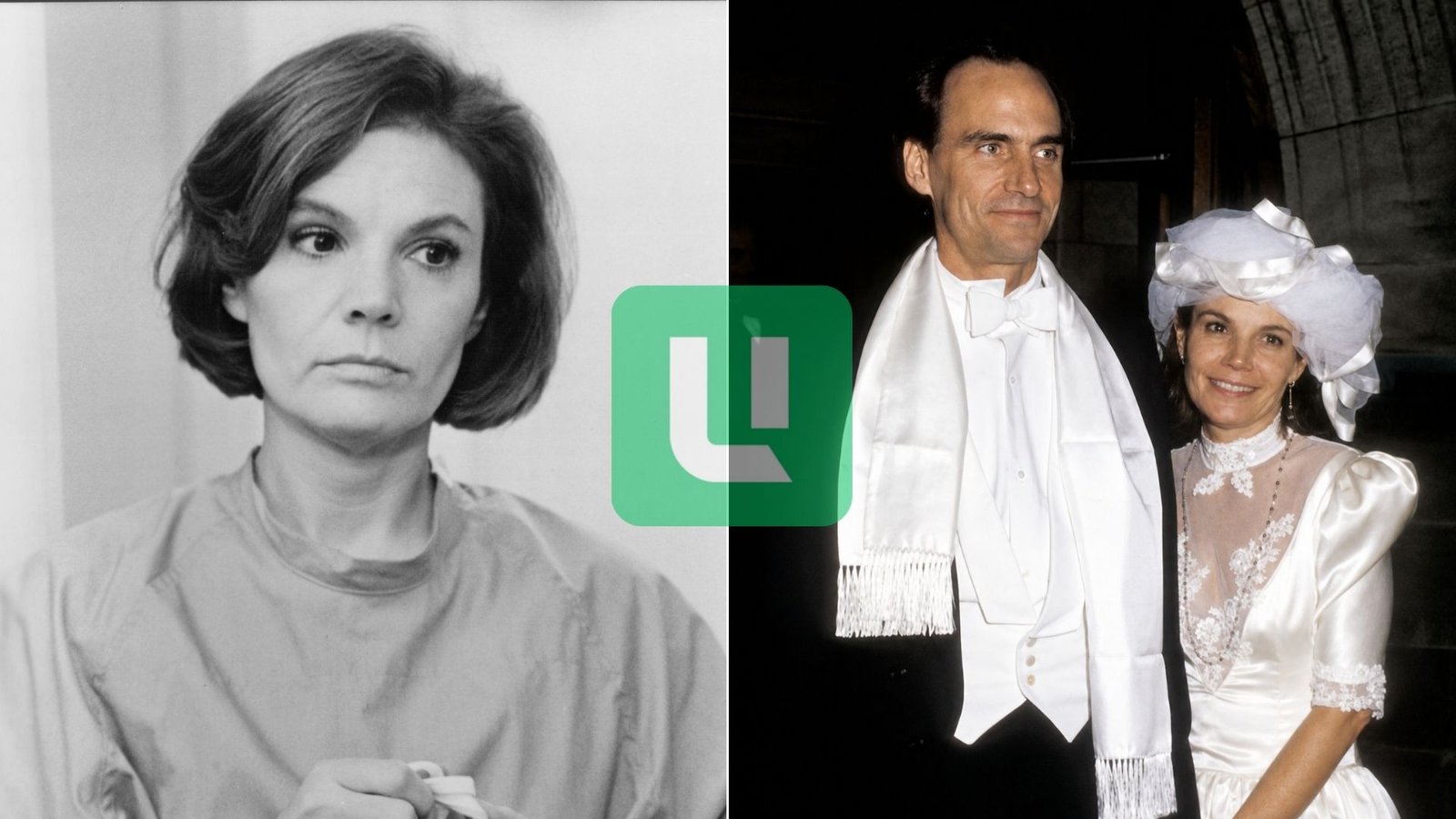
Kathryn Walker is an American theater, television, and film actress whose career stands out because it combines artistic discipline, literary intelligence, and quiet public dignity. She is best known for her Emmy winning performance as Abigail Adams in the PBS historical miniseries The Adams Chronicles, a role that placed her among the memorable television performers of the 1970s.
Quick Bio
| Field | Details |
|---|---|
| Full Name | Kathryn Walker |
| Profession | Actress, author, stage director, narrator |
| Known For | Playing Abigail Adams in The Adams Chronicles |
| Date of Birth | January 9, 1943 |
| Age | 83 years old as of 2026 |
| Birthplace | Philadelphia, Pennsylvania, United States |
| Nationality | American |
| Ethnicity | White or Caucasian, based on public background |
| Zodiac Sign | Capricorn |
| Height | Estimated around 5 feet 6 inches, or 168 cm |
| Weight | Estimated around 58 kg, or 128 lbs |
| Education | Wells College, Harvard University, Fulbright Fellowship |
| Marital Status | Divorced |
| Former Husband | James Taylor |
| Former Partner | Douglas Kenney |
| Estimated Net Worth | Around $1 million to $5 million |
| Main Income Sources | Acting, theater, directing, narration, writing |
| Book | A Stopover in Venice |
Early Life and Education of Kathryn Walker
Kathryn Walker was born in Philadelphia, Pennsylvania, a city known for its deep cultural history, theaters, universities, museums, and strong American heritage. Her early environment likely helped shape her interest in serious performance and literature, although she has kept many personal childhood details private.
Her education shows the intellectual side of her career. She studied at Wells College and became associated with strong academic achievement. She also attended Harvard University and received a Fulbright Fellowship, which points to a serious background in music, drama, and the humanities. These details matter because they help explain why her work often feels thoughtful rather than purely commercial.
Her education gave her more than technical training. It helped her understand language, history, character, and classical drama. Those strengths later shaped her performances on stage and screen. They also supported her later work as a director, adapter, and novelist.
Kathryn Walker’s Acting Career Beginnings
The early acting career of Kathryn Walker grew from the New York stage, where performers usually earn respect through discipline, rehearsal, and emotional range. Before she became known to national television audiences, she worked in theater and built her craft in roles that demanded control and intelligence.
Stage acting requires a different kind of stamina from film. An actor must carry a role live, maintain energy across performances, and respond to an audience in real time. Her background in this world helped her develop the poise that later defined her screen appearances.
Her acting style suited both period drama and modern character work. She could appear refined, emotionally sharp, and believable without overplaying a scene. That made her a natural fit for historical television, serious theater, and smart character driven films. Her early years show that her career did not depend on overnight fame. It grew through training, credibility, and consistent artistic choices.
Emmy Winning Breakthrough in The Adams Chronicles
The biggest breakthrough in the career of Kathryn Walker came through The Adams Chronicles, the PBS miniseries created during America’s Bicentennial era. She played Abigail Adams, one of the most admired women in early American history and the wife of John Adams.
The role required intelligence, restraint, emotional clarity, and historical awareness. Abigail Adams was not a simple decorative figure in the story. She was a thinker, wife, mother, political observer, and powerful voice in American history. Walker’s performance captured those layers with grace.
Her portrayal earned a Primetime Emmy Award for Outstanding Lead Actress for a Single Appearance in a Drama or Comedy Series in 1976. That recognition became the defining honor of her screen career. It also proved that historical drama could give strong actresses rich, complex roles. Her success in that part remains one of the strongest reasons people continue to search for her biography today.
Film and Television Roles
Kathryn Walker built a screen career that moved across drama, comedy, and cult film. She appeared in Slap Shot, the 1977 sports comedy that became a classic among hockey movie fans. She also appeared in Girlfriends and Rich Kids, films remembered for their character focused storytelling and late 1970s realism.
In 1981, she played Enid Keese in Neighbors, a dark comedy starring John Belushi and Dan Aykroyd. The film carried an unusual tone, but it gave her a place in a memorable moment of American comedy history. Later, she appeared in D.A.R.Y.L., the 1985 science fiction drama about a young boy with extraordinary abilities.
Television also gave her room to work in different formats. Her credits included daytime drama, television movies, miniseries, and narration. She later narrated historical reality style PBS projects such as Frontier House and Colonial House. These choices fit her voice and interests because they connected performance with history, education, and storytelling.
Broadway and Stage Work
Broadway played a major role in her artistic identity. Kathryn Walker appeared in respected stage productions including The Good Doctor, A Touch of the Poet, Private Lives, and Wild Honey. These plays required different tones, from comedy and revival work to emotionally layered drama.
Her Broadway work matters because it shows that she was not only a screen actress. She belonged to the world of serious theater, where reputation comes from live performance and critical respect. Stage audiences often remember performers for presence, timing, voice, and command of language. Those strengths matched her natural skill set.
Theater also gave her a professional community beyond Hollywood. It connected her with writers, directors, actors, and institutions that valued classical and literary material. Her stage career helped shape the later chapters of her life, especially her directing and adapting work. It also explains why her biography attracts readers who care about more than celebrity relationships.
Work as a Director and Author
After building a strong acting career, Kathryn Walker expanded her creative life through directing, adaptation, and writing. She became especially connected with classical Greek theater projects, including work linked to Medea, Elektra, The Bacchae, Hekabe, and The Iliad. These projects show her interest in ancient stories that explore power, grief, loyalty, war, and human choice.
Her directing career reflected discipline and scholarship. She did not simply move behind the scenes for convenience. She worked with demanding texts that require deep understanding of rhythm, myth, and dramatic structure. That transition proved her creative identity was larger than acting alone.
In 2008, she published the novel A Stopover in Venice. The book added another layer to her public profile. It showed her ability to shape character and atmosphere on the page, not only on stage or screen. Her literary work strengthened her image as an artist with a long intellectual life.
Lifestyle and Private Personality
The lifestyle of Kathryn Walker appears refined, private, and closely connected to art, literature, history, and theater. She never seemed interested in building a public image through constant interviews, flashy appearances, or celebrity drama. Instead, she favored a quieter path rooted in creative work and personal privacy.
Her public record suggests a woman who values culture more than spectacle. Her career choices point toward classical theater, historical storytelling, serious acting, and literary fiction. Those interests create the image of a person who prefers meaningful work over ordinary fame.
She has been linked with residences in places such as New Mexico and Connecticut, both of which match a quieter artistic life. Rather than chasing attention, she appears to have built a life around reading, writing, directing, and selective creative projects. That privacy makes fans more curious, but it also deserves respect.
What is Kathryn Walker’s Net Worth?
The estimated net worth of Kathryn Walker is commonly placed between $1 million and $5 million, although no official financial record confirms her exact wealth. That estimate comes from her long career in Broadway, film, television, narration, directing, and publishing.
Her income likely came from several professional sources. Acting roles in television and film would have provided early career earnings. Broadway and theater work added professional credibility, even if theater does not always pay at Hollywood levels. Narration, directing, and literary publishing may have added further income over time.
It is important to avoid exaggeration. She was successful, but she did not build her name as a blockbuster film star or commercial celebrity brand. Her financial story fits a respected working artist rather than a mainstream entertainment mogul. Her real wealth may be better measured through artistic legacy, professional respect, and creative independence.
Family Tree and Background of Kathryn Walker
The family tree of Kathryn Walker remains mostly private. Public sources do not provide confirmed details about her parents, siblings, or extended relatives. This lack of information does not mean the story is incomplete. It simply reflects her long standing choice to keep her biological family out of public entertainment coverage.
She has no publicly confirmed children. This detail often appears in searches because readers connect her with James Taylor, who has children from other relationships. However, there is no strong public record showing that she had children of her own.
Her family story is therefore best discussed with care. A responsible biography should not invent parents, siblings, ancestry, or private relatives. What can be said confidently is that her public family identity is shaped more by relationships and career associations than by revealed family records. Her privacy remains part of her personal dignity.
Relationship With Douglas Kenney
Before her marriage to James Taylor, Kathryn Walker had a significant relationship with Douglas Kenney, the comedy writer, editor, and co-founder of National Lampoon. Kenney became one of the important figures in American comedy culture, especially through his work with National Lampoon and the creative world that influenced modern humor.
Their relationship lasted until Kenney’s death in 1980. His sudden passing became part of the tragic mythology around his life and career. For Walker, the relationship placed her near a highly influential comedy circle, but she never turned that connection into a public identity.
This chapter matters because it shows her connection to another major cultural figure of the 1970s. Still, her story should not be reduced to the men she knew. The relationship adds context, but her own career remained separate, serious, and impressive. Her artistic achievements stand on their own.
Kathryn Walker’s Marriage to James Taylor
Kathryn Walker married James Taylor in 1985. Taylor was already one of America’s most beloved singer songwriters, known for songs filled with tenderness, memory, struggle, and emotional honesty. Their marriage brought Walker into a different kind of public spotlight because Taylor’s personal life had long interested music fans.
Their relationship lasted through an important period in Taylor’s adult life and career. Fans often connect Walker with a chapter of personal change for him, especially as he moved through recovery, touring, and creative renewal. However, it is better to describe her role respectfully rather than make claims that cannot be proven in full detail.
The marriage ended in divorce in the mid 1990s. Even after the relationship ended, her name remained part of Taylor’s biography. Yet she deserves recognition as more than a famous ex-wife. Her own career began before the marriage and continued through theater, narration, and writing.
Success Story and Career Legacy
The success story of Kathryn Walker is not about constant fame or celebrity branding. It is about artistic range, education, resilience, and thoughtful reinvention. She earned recognition on television, worked on Broadway, appeared in memorable films, directed classical theater, and later published fiction.
Her career offers a strong lesson for readers interested in entertainment history. A performer can build lasting respect without becoming a tabloid personality. She shows that dignity, discipline, and careful choices can create a meaningful legacy.
Her Emmy win remains a major milestone, but her broader story reaches beyond one award. She represents the kind of actress who brought intelligence to every medium she entered. Her legacy belongs to American theater, public television, literary culture, and the quieter side of Hollywood history. That combination keeps her story relevant decades later.
Her path also shows the value of reinvention. Many performers struggle when one phase of public attention fades, but she moved from acting into classical direction, narration, and fiction without losing her artistic identity. That kind of long range creative movement is a form of success that numbers alone cannot measure.
Social Media and Public Image
The social media presence of Kathryn Walker appears limited or unverified. She does not seem to maintain the kind of public online profile that younger celebrities use to promote projects, share lifestyle content, or communicate directly with fans.
This absence matches her broader public image. She built her career in an era when actors relied on stage work, press interviews, reviews, and screen credits rather than digital platforms. Her reputation came from performance and artistic work, not viral posts or constant personal updates.
For readers, this means information about her should come from credible entertainment databases, publisher profiles, theater records, and interviews rather than random social media claims. Her low online visibility also supports the idea that she values privacy. In a celebrity culture built on exposure, her quiet profile makes her stand out even more.
Her public image is therefore controlled by body of work, not by daily self promotion. That can make modern searches feel limited, yet it also gives her story a rare seriousness. She belongs to an older artistic tradition where craft carried more weight than personal branding.
FAQs
How old is Kathryn Walker? She was born on January 9, 1943, which makes her 83 years old as of 2026. Her long career covers theater, television, film, narration, directing, and writing.
What is Kathryn Walker’s estimated net worth? Her estimated net worth is around $1 million to $5 million. This figure is not officially confirmed, so it should be described as an estimate based on her decades of professional work.
Was she married to James Taylor? Yes, she was married to James Taylor from 1985 until their divorce in the mid 1990s. Sources vary slightly on whether the final year was 1995 or 1996.
Does she have children? There are no publicly confirmed children linked to her. Because she keeps her private life guarded, biographies should avoid making unsupported claims about her family.
What is she best known for? She is best known for her Emmy winning role as Abigail Adams in The Adams Chronicles. She is also known for Broadway work, films such as Slap Shot and Neighbors, her directing work, and her novel A Stopover in Venice.
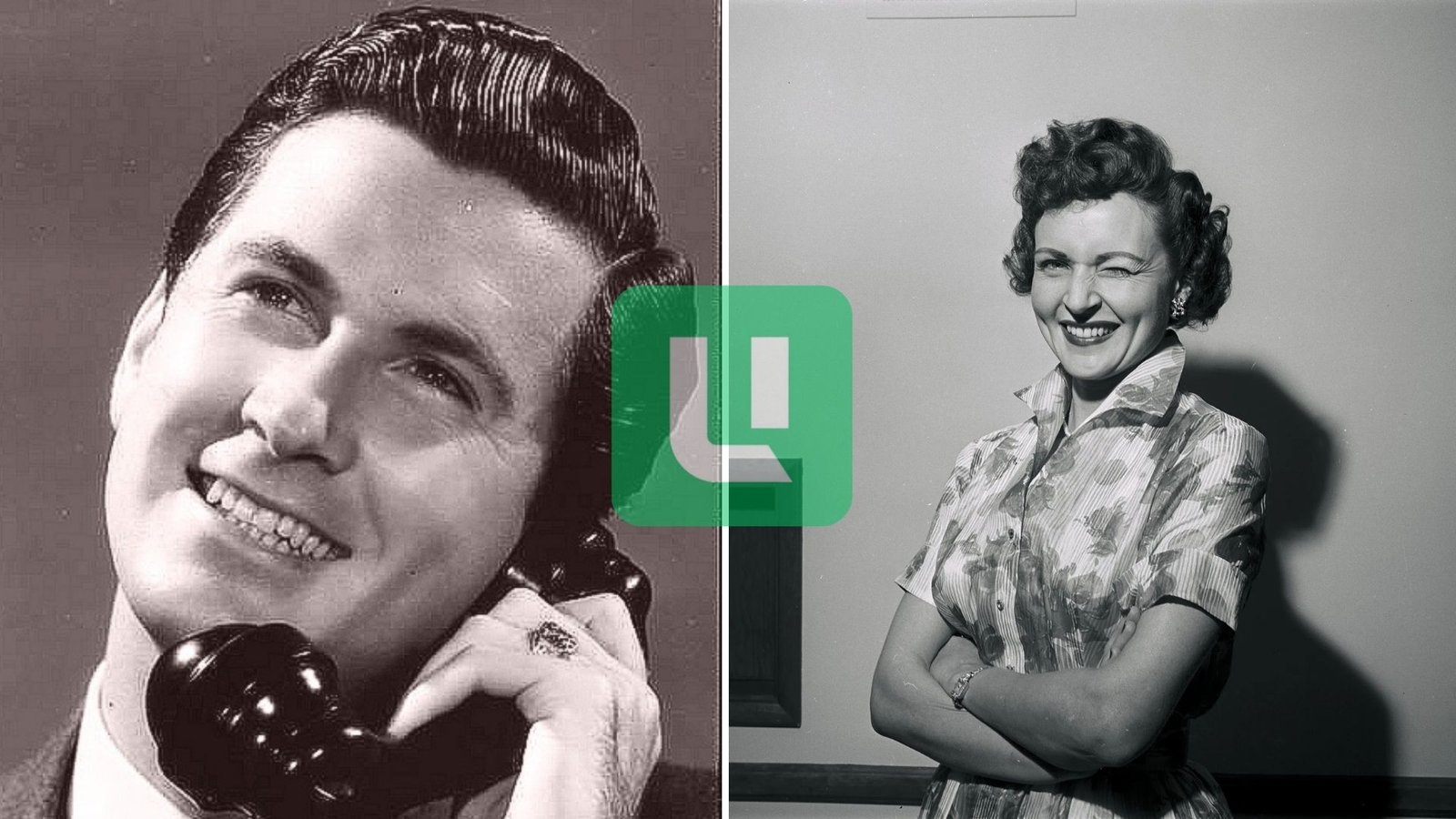
Lane Allen became known to many people through one brief marriage. He was the second husband of a future television legend. Yet he also worked inside Hollywood for many years. His life included acting, casting work, talent management, marriage, and family.
His former wife, Betty White, later became one of television’s most loved stars. Their marriage began while she was still building her career. It ended when they formed different plans for their future. She wanted to keep working, while he hoped for a more settled home life.
Their story lasted only two years, but it marked an important time. White had to choose between marriage and her growing career. Her choice helped shape the rest of her life. Allen then moved forward with his own work and later relationships.
Clarifying the Identity of Lane Allen
Allen used more than one spelling during his professional life. Film records often list him as Lane Allan. Many modern reports use Lane Allen, mainly when discussing his marriage to White.
His birth name was Albert Edward Wootten. He was born on August 4, 1914, in Toronto, Ontario, Canada. Records show that his family later moved to the United States. He then entered the American film business.
The different names have caused some confusion online. Some profiles treat Lane Allan and Lane Allen as two people. Film records show that both names refer to the same actor and Hollywood professional.
He became an American citizen and spent much of his adult life in California. His public record remains small compared with White’s. Most details come from film credits, marriage records, and later accounts of White’s life.
Early Beginnings and Family Roots of Lane Allen
Very little verified information covers his childhood home. Public records identify his parents as Edwin Patrick Wootten and Olive Victoria Cooper Wootten. Still, reliable details about their work and daily family life remain scarce.
He was born in Canada during the early years of World War I. His family moved to the United States when he was young. That move placed him closer to the growing American film and radio fields.
Hollywood expanded fast during his youth. Sound films had changed the movie business by the late 1920s. Studios needed actors, agents, casting workers, and many skilled people behind the camera.
This setting gave him several paths into show business. He did not become a major screen star. Instead, he built a mixed career that included small acting parts and work behind the scenes.
No strong public record confirms his siblings or close childhood ties. For that reason, names sometimes found on family sites should be treated with care. His verified story becomes clearer after he entered professional entertainment.
Education and Personal Background of Lane Allen
There is no widely trusted record of his schools or college years. He may have received training connected with acting or performance. Yet no verified school name appears in major film records.
His screen work shows that he understood studio life. Small film roles required patience and a professional manner. Actors often spent long days waiting for brief scenes or background work.
He also learned how casting and talent work operated. These jobs required a sharp eye for performers. They also required strong links with studios, producers, and working actors.
His career suggests that he gained much of his skill through experience. Hollywood often trained workers on the job during that period. People moved between acting, office work, casting, and talent services.
He later worked as both a talent agent and a casting director. An agent helps performers find jobs and make career deals. A casting director helps a production choose actors for each role.
The Career Journey of Lane Allen
His early screen credits began around 1940. Most of his first parts were small. He often played soldiers, sailors, mechanics, officers, or other supporting figures.
One early credit came in Those Were the Days! in 1940. He appeared in several films during the next two years. These included Dive Bomber, Navy Blues, and I Wanted Wings.
His role in I Wanted Wings was a corporal mechanic. He also appeared as a Canadian in Captains of the Clouds. These parts were not large, yet they placed him inside major studio films.
War stories were common during that period. The United States entered World War II in December 1941. Studios produced many films about pilots, soldiers, ships, and military service.
Allen’s appearance suited these productions. His screen work often placed him in uniform. Some roles were not named, which was common for supporting performers.
He continued acting after the war. He appeared as a photographer in Easter Parade. The 1948 musical starred Judy Garland and Fred Astaire and became a major studio release.
Lane Allen as a Talent Agent and Casting Director
Acting formed only one part of his professional life. He became more active in work away from the screen. His shift reflected the way many Hollywood careers developed.
A working actor often learned how studios hired performers. That knowledge could lead to casting or talent work. Allen understood auditions, screen types, and the needs of producers.
As an agent, he could guide actors toward possible jobs. He could also introduce clients to casting offices. This work depended on trust, timing, and personal links.
As a casting professional, he helped match people with roles. Casting was less public than acting. Yet it played a key part in every film and television project.
This career made him part of Hollywood without making him famous. He worked near public stars while keeping a low profile. His name appeared in credits, but his private life drew little press.
Lane Allen also understood the risks of show business. Acting jobs could stop without warning. Talent work offered another way to remain active in the field.
Important Screen Projects That Shaped His Career
The American Film Institute lists several feature films among his credits. Many came during the early 1940s. These projects show his place as a steady supporting actor.
Dive Bomber was released in 1941. The film focused on naval pilots and medical research. Allen appeared as a patient in a small role.
Navy Blues also came out that year. It was a musical comedy set around Navy life. His part was a sailor, which matched several of his early screen roles.
New Wine told a story based on the early life of composer Franz Schubert. Allen played a small social role in the film. The credit showed that he could work outside military stories.
He later appeared in Command Decision in 1949. The war drama starred Clark Gable. Allen played an officer during a tense story about command and loss.
He returned to film years later in MacArthur. The 1977 movie starred Gregory Peck as General Douglas MacArthur. Allen played General Marquat, giving him a named military role.
Television records also connect him with later projects. These include Gemini Man and Project U.F.O. Such credits show that his screen activity lasted beyond Hollywood’s classic studio age.
How Lane Allen Met Betty White
No detailed and fully verified account explains their first meeting. Their work in entertainment likely placed them in the same professional circle. Allen was active as an actor and agent, while White was seeking steady radio work.
White had returned to Los Angeles after her first marriage ended. She had married Army pilot Dick Barker in 1945. They moved to his chicken farm in Ohio, but she disliked that life.
She soon returned to California and renewed her career plans. Film studios had shown little interest in hiring her. She then turned toward radio, where appearance mattered less.
Allen supported some of her early radio efforts. A Television Academy profile states that he encouraged her radio career. This detail adds balance to their later conflict about her work.
The couple likely connected through shared interest in performance. He understood agents, studios, and auditions. She had drive, comic skill, and a strong wish to perform.
Their relationship developed during a key stage in her life. White was not yet a national star. She was still taking small radio jobs and looking for her first major break.
The Marriage of Lane Allen and Betty White
The couple married in 1947. White was about 25 years old at the time. Her career was growing, but she had not yet reached television fame.
Their early marriage may have seemed stable at first. White later said they shared some good years. Still, they soon faced a serious clash over work and home life.
Allen wanted a more traditional marriage. He hoped his wife would stop working in entertainment. Reports also state that he wanted children and a settled family home.
White wanted a different future. She enjoyed working and felt deeply tied to show business. Leaving that world would have meant giving up a goal she had pursued for years.
Their conflict reflected the social rules of that time. Many married women faced pressure to leave paid work. A husband’s career often came before his wife’s plans.
White refused to make that trade. She chose her career, even though it placed the marriage at risk. That decision became one of the first defining choices of her adult life.
Why Their Marriage Ended
The marriage ended in divorce in 1949. They had been husband and wife for about two years. No verified report points to a public scandal or affair.
The main issue was their view of marriage. Allen wanted White to leave show business. She wanted to keep acting, hosting, and building a life in entertainment.
She later spoke openly about this disagreement. She said he did not want her working in show business. She also explained that staying home did not fit her plans.
The problem was larger than a single job. White saw performance as part of who she was. A complete exit from entertainment would have caused deep regret.
Allen may have viewed his plan as a normal family path. Such views were common in the late 1940s. Yet they did not match the life White wished to create.
Their divorce allowed each person to follow a separate path. White soon entered the new field of local television. Allen continued working within the entertainment business.
Family Life and Later Marriages of Lane Allen
He and White did not have children together. Their different views on family became part of the marriage conflict. White later said that her career remained her main focus.
After the divorce, Allen rebuilt his private life. He later married actress Randy Stuart in 1954. Her birth name was Elizabeth Shaubell, and she worked in films and television.
Stuart appeared in Sitting Pretty, I Was a Male War Bride, and All About Eve. She also played Louise Carey in The Incredible Shrinking Man. Her career included many television roles.
Allen and Stuart reportedly had three children during their marriage. They remained together until 1968. Their marriage then ended in divorce.
He later married Ramona Eileen McKay. Public details about that relationship remain limited. She stayed outside the public attention linked with his earlier wives.
These later relationships show that his life did not end with White. He formed another family and continued his career. Yet public interest still centers on his brief second marriage.
Lane Allen Away from Public Attention
Allen never gained the level of fame that surrounded his former wife. He did not build a large public image. He also gave few known interviews about their marriage.
His private style matched many behind-the-scenes workers. They helped productions function but rarely became household names. Their careers often appeared only through short credit listings.
He also avoided turning his former marriage into a public story. No trusted record shows him attacking White in the press. He did not appear to seek attention from her later success.
That silence gave White control over how she described the relationship. Her account focused on their different goals. She did not claim that he was cruel or dishonest.
She often viewed her first two marriages as youthful mistakes. That judgment did not erase every good moment. It showed that those relationships did not suit her true needs.
Allen’s low public profile also limits what can be responsibly said. Claims about his hobbies, wealth, height, or daily habits lack strong proof. Such details should not be invented.
Private Lifestyle and Interests of Lane Allen
Much of his personal life stayed within his family and work circles. He did not live as a major celebrity. Public records give no firm picture of a lavish Hollywood lifestyle.
His long link with entertainment suggests a strong interest in performance. He moved through acting, talent work, and casting. Each role required a different view of the same business.
Acting placed him before the camera. Agency work placed him beside performers. Casting work placed him between actors and production teams.
This mixed career may have offered more steady work. Small acting roles alone rarely gave performers lasting security. Behind-the-scenes duties could provide another source of income.
No trusted source gives a verified net worth for Allen. Online estimates would rely on guesses. His income likely changed across his long career.
His height and weight are also not clearly documented. Film appearances give only a visual record. They do not provide a sound basis for exact physical figures.
Final Years and Death of Lane Allen
Allen remained tied to screen work into the 1970s. His later credits show that he continued taking roles after the end of the studio system. By then, television had become central to American entertainment.
The industry had changed greatly since his first films. Major studios no longer controlled actors through the same long contracts. Television created many new jobs for casting teams and performers.
He lived long enough to see White become a national icon. She starred in The Mary Tyler Moore Show during the 1970s. She later gained even greater fame through The Golden Girls.
There is little evidence that the former couple stayed close. They followed separate family and career paths. Neither became part of the other’s later public story.
Allen died on August 5, 1995, one day after his 81st birthday. He died in Los Angeles, California, where he had spent much of his professional life.
His death received far less press than the deaths of major stars. Still, film records preserve his work. His marriage to White also keeps public interest in his name alive.
Lane Allen’s Place in Betty White’s Life Story
White’s first two marriages helped her understand what she needed. She did not want rural farm life. She also did not want marriage to end her career.
Her split from her second husband came just before television changed her life. In 1949, she began working with Al Jarvis on local television. The demanding program required hours of live work.
That job gave her the experience she needed. She learned to speak without a script. She also learned how to handle mistakes, guests, jokes, and long live broadcasts.
Had she stopped working, her career might have ended before that break. Her choice allowed her to become a host, producer, actress, and game show figure.
The marriage therefore holds an important place in her story. It shows the cost of choosing an uncommon path. White placed creative work above a marriage that limited it.
That choice did not make Allen a villain. It showed that two people wanted different lives. Their goals could not fit inside the same marriage.
Legacy of a Brief Hollywood Marriage
The relationship lasted only a small part of two long lives. Yet it became more famous as White’s career grew. Fans wanted to understand the choices behind her success.
Their marriage also tells a wider story about women and work. In the late 1940s, married women often faced firm social limits. A woman with career goals could be seen as rejecting family duty.
White did not reject love or family life. She rejected a plan that required her to stop performing. Her later life showed that work and love could exist together with the right partner.
She married game show host Allen Ludden in 1963. They had met when she appeared on Password. Their marriage lasted until his death from stomach cancer in 1981.
White became stepmother to Ludden’s three children. She never had biological children. She later described Ludden as the great love of her life.
The contrast between her marriages remains clear. Her second husband wanted her away from show business. Ludden understood and supported her public career.
Final Thoughts on Lane Allen
Lane Allen was more than a name in Betty White’s marriage record. He worked as an actor, agent, and casting professional. His career stretched across several decades of American film and television.
His early acting work placed him in war films, musicals, and dramas. He later worked behind the scenes. These jobs helped performers and productions come together.
His marriage to White ended because their goals did not match. He wanted a traditional home life. She wanted to remain in a fast and uncertain career.
Their divorce became a major turning point for White. She soon found a place in television. Her choice helped open the door to more than seven decades of work.
Allen later married again and raised a family. He kept most of his personal life private. That privacy explains why many parts of his story remain unknown.
His legacy rests in two areas. Film records preserve his professional work. White’s life story preserves the marriage that forced her to make a lasting choice.
Frequently Asked Questions About Lane Allen
Who was Betty White’s second husband?
Lane Allen was Betty White’s second husband. He was a Canadian-born American actor, talent representative, and casting professional. They married in 1947 and divorced in 1949 after developing different plans for work and family life.
Why did Betty White divorce her second husband?
White said her husband wanted her to stop working in show business. He hoped for a more traditional home and family life. She wanted to continue building her career, so the marriage ended after about two years.
What did Betty White’s second husband do for work?
He worked in several areas of Hollywood. He appeared in small film and television roles. He also represented talent and took part in casting, which involves finding suitable actors for productions.
Did Betty White and her second husband have children?
No, they did not have children together. Reports state that their different views about children and White’s career added to their problems. White later became stepmother to Allen Ludden’s three children.
When did Betty White’s second husband die?
He died on August 5, 1995, in Los Angeles. He had turned 81 one day earlier.
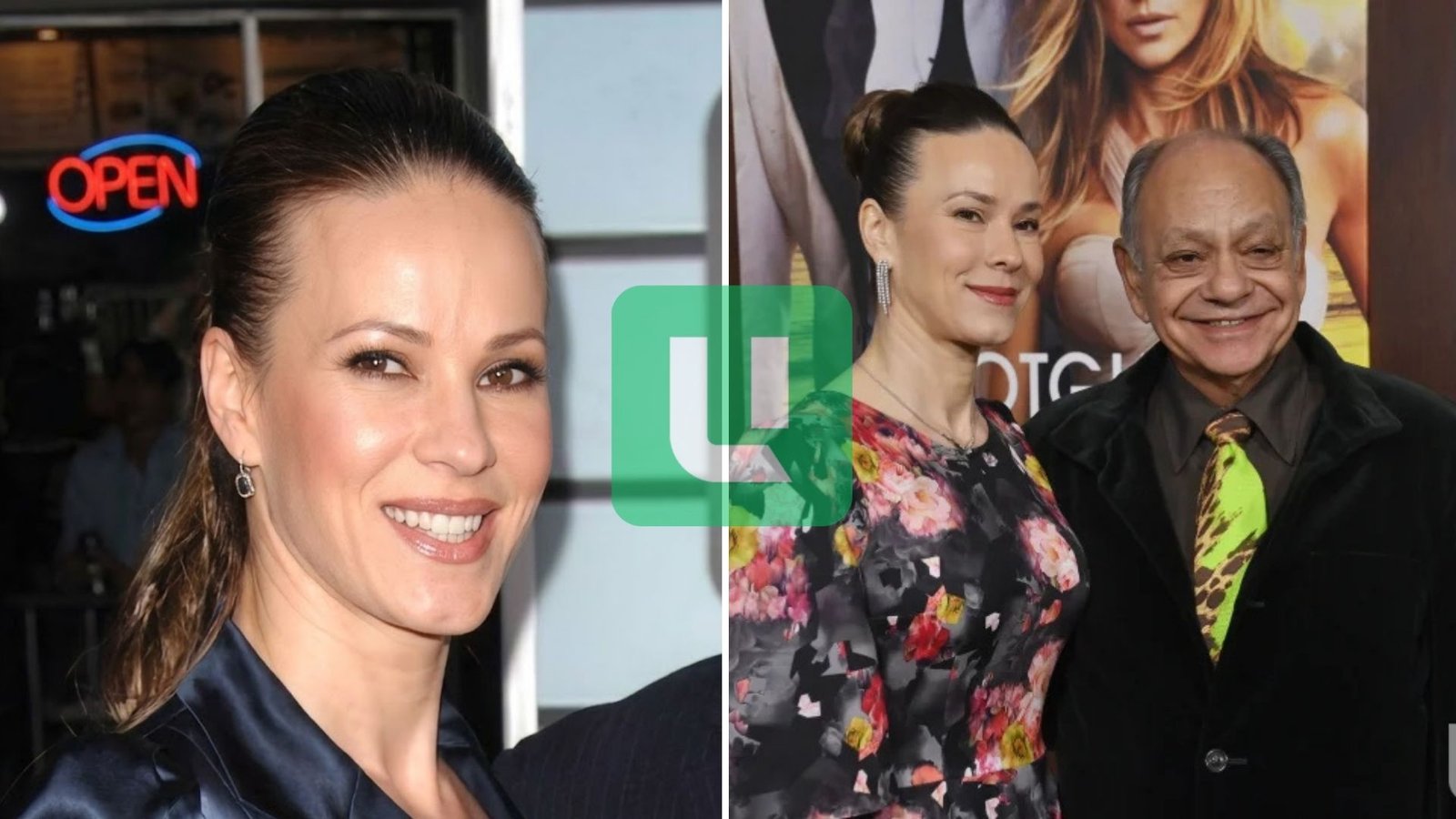
Natasha Rubin is best known to many readers as the wife of Cheech Marin. Yet her own life began far from Hollywood. She built a serious career through music, study, travel, and design. Her path shows years of skill, discipline, and quiet creative work.
She is a Russian-born concert pianist with deep classical training. She has played as a soloist and with many groups. Her work also reaches into early music, electronic sound, teaching, jewelry, and live event planning. These fields give her an identity that stands apart from celebrity marriage.
After her wedding, she legally took the last name Marin. She now uses Natasha Marin for music and business work. Still, many people search for her by her former name. Her story joins two public worlds: refined concert music and American comedy fame.
Clarifying the Identity of Natasha Rubin
The name can cause confusion because she now works as Natasha Marin. Her official music biography states that she changed her last name after marriage. Older concert pages, wedding reports, and public records may still use Rubin. Both names refer to the same pianist and creative professional.
Natasha Rubin should not be confused with other artists named Natasha Marin. One well-known writer and social artist also uses that name. The pianist has a different career and public record. Her work centers on piano, harpsichord, electronic music, salon events, and music-based design.
Her birth date and age are not listed in trusted public records. Her parents and siblings are also not named in her official biography. That privacy matters. A careful profile should not invent family names, ages, or early facts to fill those gaps.
Early Beginnings and Family Roots of Natasha Rubin
Marin was born in St. Petersburg, Russia, then a major center of Soviet music training. The city has a long link with ballet, opera, and classical study. That setting helped shape the musical world around her. It also gave her access to formal training at a young age.
She began piano lessons at a special music school for gifted children. Such schools join normal study with long hours of music work. Young students learn technique, theory, ear training, and stage control. This system asks for focus long before adult life begins.
Public information does not name her parents or siblings. It also does not explain which family member first noticed her gift. What is clear is that her early path required strong support. Intensive music study takes time, travel, money, and steady care from adults.
Education and Personal Background of Natasha Rubin
Her first major college step came at the Rimsky-Korsakov Music College. She earned a bachelor’s degree there with honors. The school gave her a firm base in piano performance. It also helped prepare her for more advanced conservatory work.
She later studied at the St. Petersburg State Conservatory. Her teachers included Leonid Sinstev and Igor Lebedev. Conservatory study goes beyond playing notes well. It builds style, memory, tone, history, and the calm needed for a live stage.
After moving to the United States, she continued her studies at the University of California, Los Angeles. She completed graduate work and studied piano with Vitaly Margulis and Antoinette Perry. She also learned modern music with Gloria Cheng and worked with scholar Robert Winter.
Her highest degree came from the University of Southern California. She earned a Doctor of Musical Arts degree in piano performance. Her minor fields included music education, early music, and electroacoustic composition. That last field uses electronic tools to shape and create sound.
The Career Journey of Natasha Rubin
Marin developed a career that crosses nations and musical forms. She has performed alone, with orchestras, and with small chamber groups. Chamber music uses a few players instead of a full orchestra. It asks each artist to listen closely and respond in real time.
Her concert work has taken her across the United States and abroad. Her official biography lists appearances in Europe, Asia, Africa, Oceania, and Russia. Such travel requires more than talent. A touring pianist must manage practice, new halls, travel stress, and changing instruments.
She has also performed in piano duos. This form places two pianists on one or two pianos. Both players must match timing, touch, pace, and mood. Her partners have included Gerald Robbins, Dmitry Rachmanov, and Maria Demina.
Her career does not follow one narrow lane. She plays classical works, early keyboard music, modern pieces, and electronic projects. This wide range reflects deep study. It also shows a wish to keep learning instead of repeating one safe program.
Recording adds another skill to her career. A studio asks for close control of sound, pace, and detail. Small errors can be heard again and again. Her solo and group releases show that she can shape music for both live rooms and recorded listening.
Professional Skills and Major Work of Natasha Rubin
Her main skill is piano performance, but that title covers many tasks. A concert pianist studies scores, builds programs, rehearses, and performs under pressure. The artist must also know how a hall changes sound. Every room and piano can feel different.
She has appeared at Carnegie Weill Recital Hall in New York. Her official record also lists the St. Petersburg Philharmonic and Capella halls. In Los Angeles, she has played at Zipper Hall and Schoenberg Hall. These venues place her work in serious concert settings.
Marin also plays the harpsichord. This keyboard came before the modern piano and makes sound by plucking strings. It needs a lighter touch and a different sense of balance. Her early music studies support this part of her work.
She has worked with singers and other players from Europe and America. She joined soprano Nicole Taylor for concerts tied to a United States arts envoy program. She has also recorded solo and group music released in America and Europe.
Important Projects That Shaped Her Creative Path
One key project is Double Sharp, a piano duo with Maria Demina. The group adds custom clothing and stage design to demanding music. Fashion designer Vera Chernova DeFehr created special looks for the players. The result joins sound, movement, and visual art.
Marin has also worked outside strict classical music. She took part in the crossover album Siren by Sasha and Shawna. Producer Peter Asher led that project. She has performed with rock and pop singer Jon Fiore and recorded music for a film about artist José Guadalupe Posada.
Her electronic album Songs of the Desert arrived in 2024. The work grew from the land and mood of Joshua Tree. It uses electronic layers rather than a standard piano recital format. A preview joined music with art by Marta Sanchez at a Philadelphia festival.
The album was submitted for Grammy consideration in a new age and ambient field. That phrase does not mean it earned a nomination. It means the project was placed before voting members for review. The distinction keeps the public record clear.
How Natasha Rubin Met Cheech Marin
The exact place where the couple first met is not stated in strong public records. Some online profiles offer stories about art events or shared friends. Those claims lack clear proof. A verified account should stop where the known facts end.
Public reporting shows that Natasha Rubin and Cheech dated for about four and a half years before marriage. That timeline points to a relationship beginning around 2004 or 2005. They became engaged in February 2009. Their courtship stayed mostly outside daily celebrity news.
Their lives had clear points of contact. She worked in music, design, and cultural events. He worked in comedy, film, music, and Chicano art. Their later projects show a shared love of performance, art, food, and close social gatherings.
The lack of a dramatic meeting story fits their public style. They have shared selected parts of life without selling every detail. Their work often speaks louder than private talk. That balance has helped their marriage remain visible but not overexposed.
The Marriage of Natasha Rubin and Cheech Marin
The couple married on August 8, 2009, at their Malibu home. The event took place near sunset by the beach. About 75 guests attended. Then Los Angeles Mayor Antonio Villaraigosa led the civil ceremony.
The wedding joined formal style with humor. Marin wore an Armani suit and entered to “Earache My Eye.” His bride wore a white gown by Amy Michelson. She walked in to the traditional wedding march with two bridesmaids and a flower girl.
The ceremony lasted about 30 minutes. Floral work drew ideas from the couple’s new rose garden. Guests included Don Johnson, Carlos Mencia, and Geraldo Rivera. The event felt personal, polished, and tied to their home.
After marriage, she officially changed her last name from Rubin to Marin. Her current music pages use Natasha Marin. This was more than a social label. It became the name attached to her later records, programs, salon series, and design work.
Key Turning Points in Their Relationship
Their February 2009 engagement was the first major public turning point. It came after several years together. The August wedding followed six months later. That pace suggests the couple had already built a settled bond before making plans public.
A second turning point came through shared creative work. Marin has performed with her husband at the Hollywood Bowl and other events. These appearances place comedy, music, and stage life in one space. They also show that their careers can meet without one partner losing a separate identity.
The Marin Salon Series became another shared step. The couple founded it to present music, art, books, food, and conversation. Events have also raised funds for cultural groups. Their home became a small meeting place for artists and supporters.
The series uses a small setting instead of a large hall. Guests can hear music at close range and speak with the featured artists. Some events have supported museums, music libraries, and other cultural groups. This work joins private hospitality with a clear public purpose.
Family Life and Children of Natasha Rubin
At the 2009 wedding, her 13-year-old son Max played with his band. This confirms that she was already a mother before the marriage. Public reports do not give a full account of his later life. They also do not support claims about his career, home, or current age beyond basic math.
Cheech entered the marriage as a father of three children from earlier marriages. The couple did not announce a child together. Their family therefore joined people from earlier parts of life. Blended families often need patience, respect, and clear roles.
The pair has kept most family matters private. They appear more willing to discuss art and public projects than home details. That choice protects relatives who did not seek fame. It also limits the amount of sound information available for a full family tree.
There is no need to turn that privacy into a mystery. A public figure can share work while keeping family life closed. In this case, the known facts show a long marriage and a blended household. Claims beyond that need direct proof.
How Natasha Rubin Handles Public Attention
Marin receives public interest because of her husband, but she does not build her image around his fame. Her official pages lead with music. They list training, concerts, recordings, and programs before marriage details. This order shows how she defines her work.
She appears at selected events and sometimes performs beside Cheech. These moments feel linked to a project, concert, charity, or art gathering. She does not seem to chase daily press. Her public role stays close to the work she chooses.
That approach gives her control over her own story. She can be known as a spouse without becoming only a spouse. She can also use public attention to support music and cultural events. This is a practical form of life beside a famous partner.
Her name change adds another layer. Search results may place Rubin and Marin on different pages. Her official biography makes the link clear. Readers should treat the two names as parts of one career, not as two separate people.
Private Lifestyle and Interests of Natasha Rubin
Music remains the center of her private and public interests. Yet her work shows a wider love of art, clothes, design, and close gatherings. The Salon Series brings these interests together. Each event may include a musician, an artist or writer, and a chef.
She also created HighNotesCollection®, a jewelry line inspired by music. The designs use notes and other musical ideas. This work turns sound symbols into objects people can wear. It gives her a small business role beyond concerts and teaching.
Her design work fits her stage life. Concert dress, lighting, visual mood, and printed programs all shape an audience’s experience. Her Double Sharp project made that link clear through custom costumes. She treats performance as both sound and sight.
No trusted source gives her height, weight, or independent net worth. Public estimates on small biography sites lack clear records. Those numbers should not be presented as facts. Her visible assets are her education, career, recordings, brand, and cultural projects.
Where Is Natasha Rubin Today?
Her official biography says the couple lives in California. It does not give a current street, and a private address should not be shared. Older public pages have named Malibu or Pacific Palisades. California is the safest current description from her own professional site.
Marin continues to present herself as a working musician and creator. Her site features classical recordings, concert videos, electronic work, and the Salon Series. It also promotes the desert album and her music-based jewelry. These pages show an active creative identity.
Her recent work reaches beyond a standard recital career. Electronic composition lets her build sound in a studio. Salon events let her shape a full cultural evening. Jewelry lets her turn musical marks into visual design. Each path grows from the same artistic base.
Her public pages also preserve older concert work. This gives listeners a view of change across time. They can hear her classical roots and then follow her newer sound. The mix shows an artist who respects training but still seeks fresh forms.
Her former name remains familiar from the 2009 wedding. Natasha Marin is the name attached to her current work. Today, she stands as a pianist, composer, presenter, and designer. Her marriage is important, but it is not her only story.
Final Thoughts on Natasha Rubin
Marin’s life shows what long training can build. She began with strict piano study in Russia. She then moved through American graduate schools and major performance spaces. Her career grew through steady work rather than sudden fame.
Her marriage brought wider public notice, but it did not create her talent. She had already formed a serious musical path. Later projects expanded that path into electronic sound, design, charity events, and salon culture. She kept learning while her public name changed.
The strongest part of her story is balance. She shares some work with a famous husband, yet she keeps her own field. She appears in public, yet she protects family details. She honors classical rules, yet she also tests modern sound.
A fair profile should keep both sides in view. She is the wife of a comedy icon. She is also a trained concert artist with advanced degrees and a broad creative life. That fuller picture gives her work the space it deserves.
Frequently Asked Questions
Who is Natasha Rubin?
Natasha Rubin is a Russian-born concert pianist, composer, designer, and event founder. She now works under the legal name Natasha Marin. Many readers know her as Cheech Marin’s wife, but she also has advanced music degrees and a long performance record.
What is Natasha Marin’s real name?
She was professionally known as Natasha Rubin before marriage. Her official biography says she legally changed her last name to Marin after the 2009 wedding. Current music, recording, salon, and design pages use Natasha Marin.
When did she marry Cheech Marin?
She married Cheech Marin on August 8, 2009. Their sunset beach ceremony took place at their Malibu home. About 75 guests attended, and Antonio Villaraigosa officiated the civil service.
Does Natasha Marin have children?
A trusted wedding report identified her son Max, who was 13 at the time and played with his band. Cheech also had three children from earlier marriages. The couple has not publicly announced a child together.
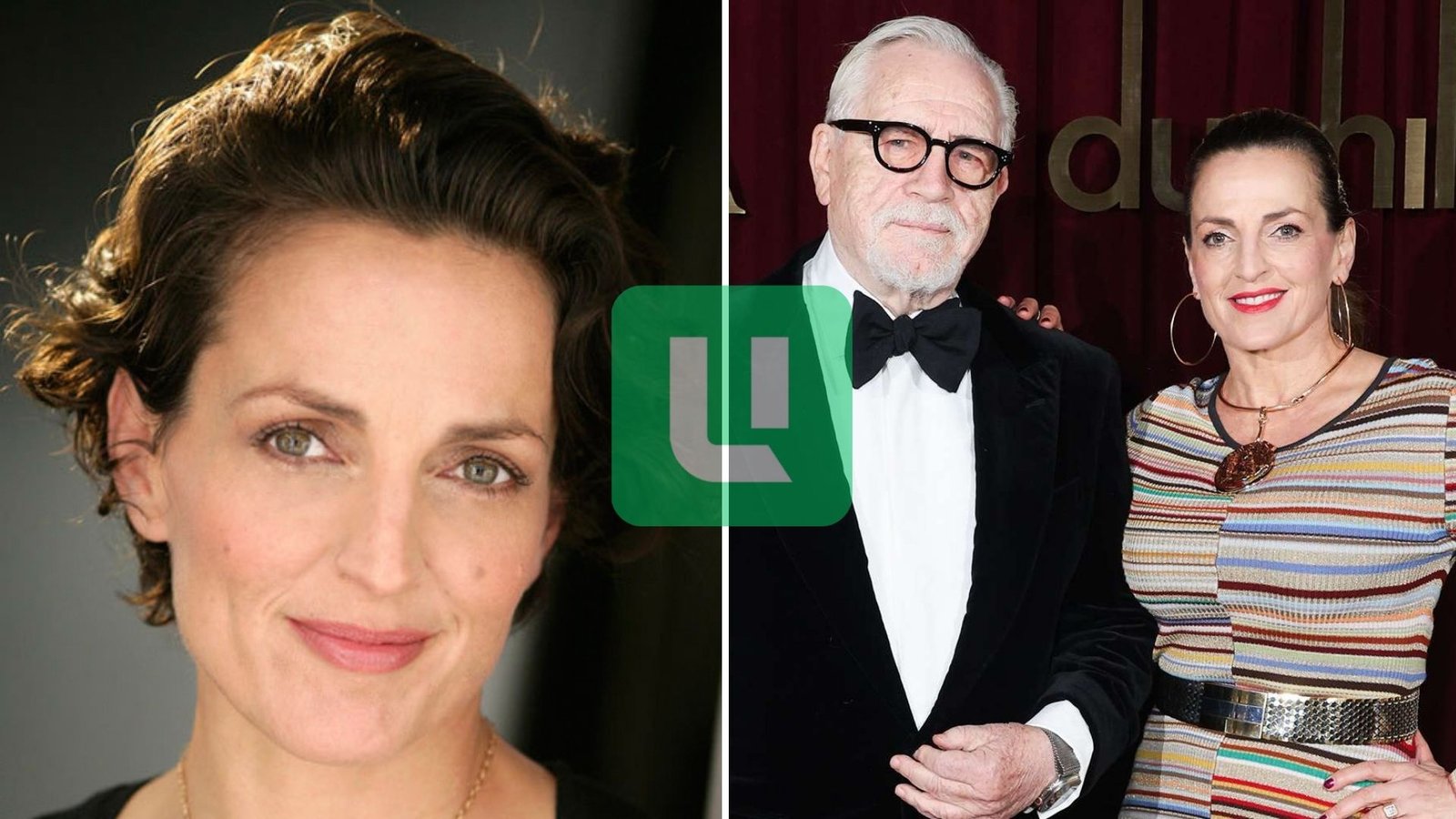
Nicole Ansari is far more than a famous actor’s wife. She is a skilled actress, director, writer, producer, and teacher. Her work has taken her across Europe and the United States. She has built a long career through training, hard work, and bold choices.
Many people first notice her through her marriage to Brian Cox. He gained wide fame as Logan Roy in the hit series Succession. Yet Ansari-Cox had worked in theater and film for many years. Her career began in Germany and grew through several major theater cities.
Her life joins art, family, travel, and personal growth. She has acted on stage with her husband. She has also raised two sons while building her own projects. Her story shows how one person can hold many roles without losing a clear sense of self.
Nicole Ansari and the Life Behind Public Fame
Ansari-Cox is a German-American performing artist with broad experience. She has worked in television, film, theater, and online media. She has also directed and produced several creative projects. Her work reaches far beyond celebrity events and family appearances.
She grew up in Cologne, Germany, in a mixed cultural home. Her mother was German, while her father came from Iran. This background gave her contact with different ideas and traditions. It also helped shape her open view of the world.
Acting drew her interest when she was still very young. She once said that watching Casablanca inspired this early dream. Ingrid Bergman’s screen presence left a strong mark on her. Soon, acting became more than a childhood wish.
Her path was not fast or simple. She trained in several cities and accepted many kinds of roles. She learned through stage work, screen work, and world travel. Each step helped her become a more complete artist.
Clarifying the Identity of Nicole Ansari
Her full professional name often appears as Nicole Ansari-Cox. Some credits use Nicole Ansari, while others include her married surname. Both names refer to the same German-American actress and filmmaker. This difference can sometimes confuse casual readers.
She should not be viewed only as a celebrity spouse. She had already chosen acting long before her marriage. Her professional path began during her youth in Germany. It later grew through serious training and international stage work.
Her work includes acting, directing, writing, and producing. These roles require different skills and different forms of control. An actor serves a story through performance. A director guides the whole work and helps each part connect.
She has also built programs for other artists. Her work often links acting with wellness and personal growth. This mix reflects her own long search for balance. It also shows how her career has changed with time.
Early Beginnings and Family Roots of Nicole Ansari
Ansari-Cox was born in Cologne in 1969. Public profiles identify her as both German and American. She grew up with a German mother and an Iranian father. Her home life therefore joined two rich cultural backgrounds.
Verified reports give few details about her parents’ names. She has kept much of her early family history private. This choice limits what can be said with confidence. It also protects relatives who never sought public attention.
She has spoken about taking part in a school performance. She played fire during her sister’s kindergarten show. The small role left a lasting effect on her. It gave her an early taste of live performance.
That first experience helped turn interest into purpose. She later acted in school plays and screen projects. Her family appears to have supported her creative goals. Their support helped her follow an unusual career path.
Education and Personal Background of Nicole Ansari
Her formal training covered acting, dance, voice, and movement. She studied at the Stage School of Dance and Drama in Hamburg. This type of school teaches more than spoken performance. Students also learn how to use their bodies on stage.
She later studied in New York with respected acting teachers. Her training included work with Uta Hagen at HB Studio. She also studied with Susan Batson at the Actors Studio. These teachers stressed truth, focus, and deep character work.
Her education did not stay inside one system. She learned from German, American, and French theater methods. Each tradition offered a different way to build a role. This broad training gave her more tools as an actress.
Ansari-Cox can work in German, English, and French. Professional profiles also list many accents and movement skills. These abilities can help an actor reach more roles. They also fit her international life and career.
The Career Journey of Nicole Ansari
Her screen career began while she was still young. One major early role came through Tatort, a famous German crime series. The show has long been part of German television culture. Appearing in it gave her valuable professional experience.
She also worked in German films before entering repertory theater. Repertory actors perform different plays within one company. This work requires speed, range, and strong memory. It can give young performers a firm base.
Her first major theater engagement was in Zurich. She joined the Neumarkt Theater and worked within its company. This step moved her deeper into professional stage life. It also placed her within a wider European arts scene.
Later work took her to Paris, Vienna, London, and New York. Each city brought new teachers and theater styles. She did not follow one straight path toward fame. She built her career through steady work across many places.
Professional Skills and Stage Work of Nicole Ansari
One key stage chapter came with Théâtre du Soleil in Paris. The company is known for group work and bold productions. She worked under its noted director, Ariane Mnouchkine. She also joined the company during a European tour.
This experience likely demanded full physical and emotional effort. The company often treats theater as a shared craft. Actors help build the world of each play together. Such work can shape discipline and trust within a cast.
She later held leading roles at Vienna’s Public Theatre. Her stage work included classic and modern stories. She played roles such as Roxane and Alma Mahler-Werfel. These characters required charm, strength, and emotional depth.
Her theater career later reached Broadway and London’s West End. These stages attract global artists and large audiences. Working there marked another important step in her career. It also gave her chances to work beside her husband.
Important Projects That Shaped Her Career
Her television career grew through work in several countries. One important role came in HBO’s Deadwood. She appeared more than once in the acclaimed Western drama. The part introduced her to a wider American audience.
She later appeared in shows such as The Blacklist and FBI. Other credits include Little Voice and Hit and Run. Each show offered a different style and working pace. Television also helped her remain active while raising children.
Her film work includes Side Effects and Son of the South. She also appeared in Land of Dreams and Remember Me. These projects range from drama to social stories. They show her ability to fit different screen worlds.
She made a small but memorable Succession appearance. She played Sally-Anne during the show’s final season. The character had a past link with Logan Roy. That casting gave fans a playful real-life connection.
How Nicole Ansari Met Brian Cox
The couple first crossed paths around 1990. Ansari-Cox saw Cox perform King Lear in Germany. They later spoke during a gathering linked to the production. At that time, they did not begin a lasting romance.
Cox was already a respected stage actor. His career had grown through Shakespeare and major British theaters. Ansari-Cox was still building her own artistic path. Their age and career stages were quite different.
Years passed before life brought them together again. They met by chance in New York in 1998. This second meeting created a stronger personal bond. Their relationship then grew into a serious partnership.
Their story did not begin through social media or publicity. It formed through theater and shared artistic interests. Both understood travel, rehearsals, and uncertain work periods. That common ground helped them understand each other’s lives.
The Marriage of Nicole Ansari and Brian Cox
The couple married in Las Vegas in 2002. Their ceremony was personal, lively, and less formal than expected. Cox has shared humorous details about the event. The Braveheart theme reportedly played during part of the ceremony.
Their marriage joined two active performing careers. Both partners often traveled for work and family needs. This created pressure, but it also gave them common goals. They understood why artistic work sometimes demands time apart.
They have appeared together at premieres and award events. They have also worked together on live stage projects. Their public image often shows humor and direct speech. They do not present their marriage as perfect or simple.
Cox has spoken openly about the value of couples therapy. He has also praised his wife’s care and sacrifice. Such comments show that their bond required honest work. Their long marriage rests on choice, space, and shared respect.
Key Turning Points in Their Relationship
The birth of their sons changed their daily lives. Ansari-Cox had enjoyed moving freely for acting work. Motherhood made a stable home more important. It also changed how she chose projects and travel plans.
The family spent time between Los Angeles and London. They later made New York an important home base. School needs played a major part in that move. The city also supported both parents’ theater careers.
Another key point came when she considered leaving acting. The pressure of career and family had become hard. She trained as a yoga teacher and explored another path. Then new acting work arrived and renewed her career.
Later, the couple found that personal space helped them. Cox has said they keep separate rooms in America. Reports also describe nearby but separate London homes. They believe this freedom supports their creative lives.
Family Life and Children of Nicole Ansari
The couple has two sons together. Their older son, Orson Jonathan Cox, was born in January 2002. Their younger son, Torin Kamran Cox, was born a few years later. Both children grew up around theater and film.
The boys often spent time on sets and backstage. Dressing rooms and rehearsals became normal parts of childhood. Their parents did not need to explain the acting world. The children saw its rewards and pressures at close range.
Both sons showed interest in acting during their school years. They attended Frank Sinatra School of the Arts in New York. The school offers creative study beside normal academic work. Their parents supported their choices without forcing one path.
Ansari-Cox has spoken warmly about motherhood. She has said that family gave her purpose and grounding. She also thanked her mother for helping with childcare. That support made it easier to continue working.
Cox also has two older children from an earlier marriage. This creates a wider family across different age groups. Ansari-Cox’s sons therefore grew up with older half-siblings. The family structure reflects several stages of Cox’s life.
How Nicole Ansari Handles Public Attention
Public interest grew as Cox gained new television fame. His role in Succession brought him millions of new fans. That attention also placed more focus on his wife. Yet she kept her own work at the center.
She attends selected premieres and public events with Cox. She also gives interviews about art, family, and wellness. Her public style feels open but controlled. She shares ideas without exposing every private family detail.
She does not depend only on her husband’s fame. Her own interviews often focus on creative work. She discusses acting, women’s stories, and social issues. She also speaks about the need for support within families.
The actress appears comfortable beside a strong public figure. Still, she does not copy his public voice. Cox is known for blunt and bold comments. She often takes a calmer and more reflective approach.
Private Lifestyle and Interests of Nicole Ansari
Ansari-Cox has a deep interest in yoga and healing work. She trained as a yoga therapist and instructor. Her study also covered meditation and personal coaching. These skills became another part of her professional life.
She later created Actors Rising for performers and speakers. The program links creative work with inner development. It aims to help people speak with more truth. It also treats acting as a path toward personal change.
Her private interests include travel and outdoor activity. She has spoken about enjoying the Hamptons and Montauk. She also became interested in stand-up paddleboarding. Such activities offer quiet time away from work.
She supports human rights and climate action. Her creative projects often focus on unheard voices. This interest also shaped her work with women’s stories. Art, for her, can serve both healing and public change.
Family remains a central part of her private world. She values time with her sons and close friends. Her marriage also allows each partner personal space. This balance helps her protect her own identity.
Where Is Nicole Ansari Today?
Ansari-Cox remains active as an actress and creative artist. Her professional work still moves between film and theater. She also directs, produces, and develops wellness programs. Her career now joins several fields at once.
In 2025, she appeared with Cox in The Score. The play first ran in Bath before reaching London. Cox played composer Johann Sebastian Bach. She played Bach’s second wife, Anna Magdalena.
The production placed the real couple together on stage. Their roles also reflected a long artistic marriage. Critics reviewed the play during its West End run. The project showed that she remains active in major theater.
Recent professional profiles also list new film work. These projects include international features and radio drama. Her work continues across Britain, Europe, and America. She has not stepped away from performance.
Her life now appears spread across several creative centers. London has become an important base for current stage work. New York remains tied to her family and career history. Berlin and other European cities also remain part of her network.
Final Thoughts on Nicole Ansari
Her life cannot be reduced to one famous relationship. She built her acting foundation through years of training. She worked across several languages and theater traditions. That experience gave her a true international career.
Marriage brought more public interest, but not her first purpose. She was already an actress before meeting Cox. She later became a director, producer, and teacher. Each role added another layer to her work.
Her story also shows the cost of creative family life. Travel, childcare, and career pressure required hard choices. She accepted help and adjusted her plans when needed. She did not pretend that balance came without sacrifice.
Today, she stands as an artist with her own voice. She supports new stories and helps other performers grow. Her marriage is one part of that wider life. Her lasting identity comes from work, family, and steady self-belief.
Frequently Asked Questions
What is Nicole Ansari best known for?
She is known as a German-American actress, director, writer, and producer. Her screen work includes Tatort, Deadwood, and Succession. She has also performed on Broadway and in London’s West End. Many people also know her as Brian Cox’s wife.
When did she marry Brian Cox?
She married Brian Cox in Las Vegas in 2002. They had first met during his King Lear work in Germany. They met again in New York several years later. Their marriage has lasted for more than two decades.
How many children does she have?
She and Cox have two sons, Orson and Torin. Both grew up around film sets and theater dressing rooms. They later studied at an arts school in New York. Cox also has two older children from an earlier marriage.
Which television shows has she appeared in?
Her television work includes Tatort, Deadwood, The Blacklist, FBI, Little Voice, Hit and Run, and Succession. She has worked in German, British, and American productions. This range reflects her international training and language skills.
What does she do besides acting?
She directs and produces films, web projects, and stage work. She is also trained in yoga, meditation, and coaching. Through Actors Rising, she links performance training with personal growth. She also supports human rights and climate causes.

How an Education Consultant Can Help with Harrow School Admissions

What Is Tsunaihaiya? A Guide to Its Rings, Bangles, and Bracelets

Do You Need to Speak Polish to Apply for Citizenship by Descent?
-

 Technology3 months ago
What Is Nerwey? A Complete Guide To The Online Platform
-
 Biography6 months ago
Who Is Renee Berry? The Untold Story of Halle Berry’s Half Sister
-

 Celebrity6 months ago
Who Is Joseph Toney Biography? The Untold Story of Shaquille O’Neal’s Father
-
 Celebrity6 months ago
Who Is Rodney Tyson? The Untold Story of Mike Tyson’s Brother
-
 Celebrity6 months ago
Who Is Roslyn Jordan? All About Sister of basketball icon Michael Jordan
-

 Biography6 months ago
Who Is Jenna Shue? All About Elisabeth Shue’s Sister and Her Corporate Career
-
 Celebrity5 months ago
Married at Just 16: The Controversial First Marriage of Jerry Lee Lewis and Dorothy Barton
-

 Celebrity6 months ago
Who Is Kazembe Ajamu Coleman? A Complete Biography of Zendaya’s Father