
News
Who Is Henry Wynberg? Inside the Life of Elizabeth Taylor’s Former Partner

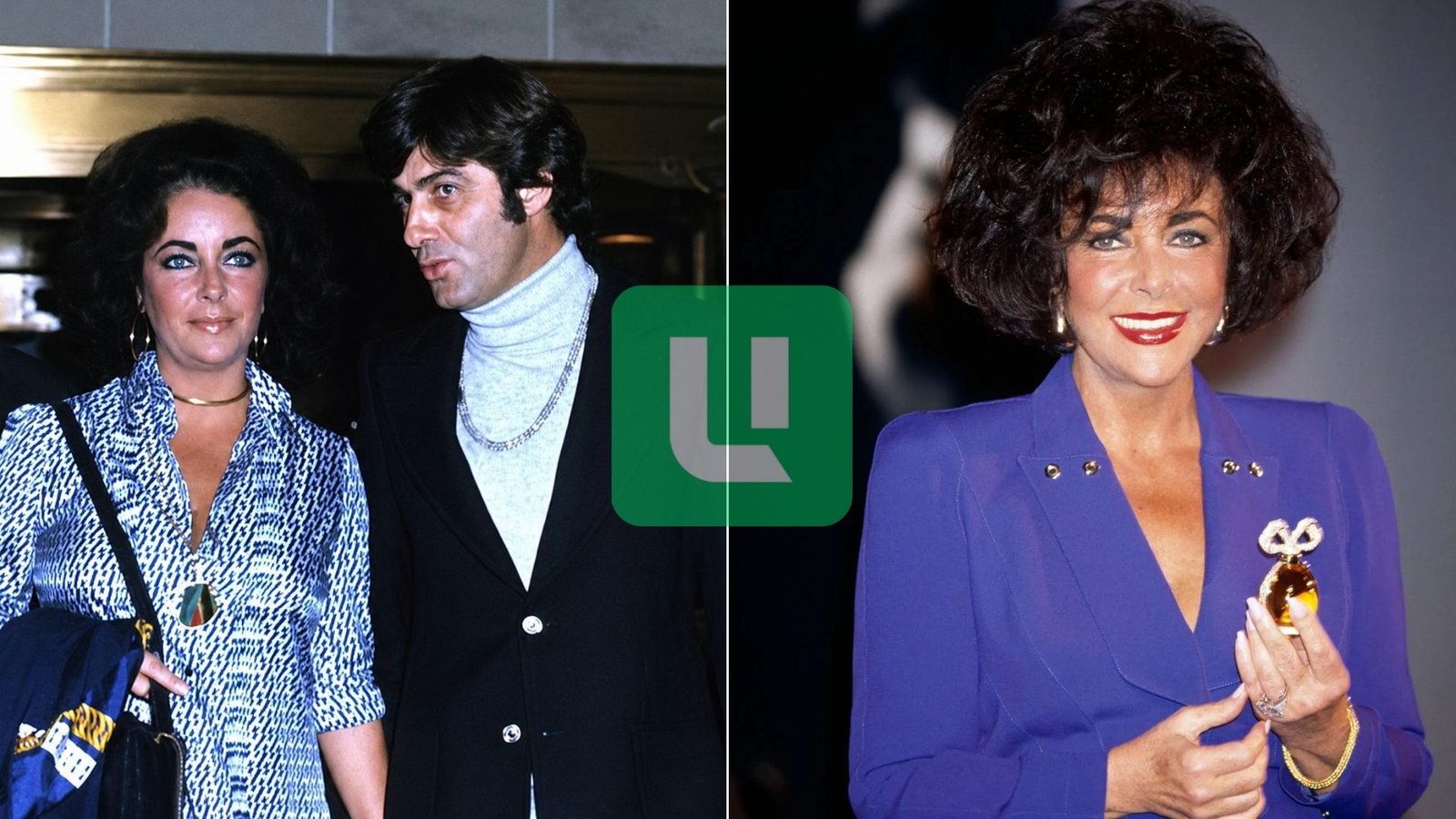
Henry Wynberg is a private figure whose name appears in Hollywood history because of a rare mix of entertainment work, public romance, business disputes, and legal headlines. He is not a traditional movie star, yet his story remains searchable because it crosses paths with one of the most famous women of the twentieth century, Elizabeth Taylor. His public profile includes work in the camera and electrical side of film production, a known credit connected to The Blue Bird, and a long-running personal life that attracted media interest during the 1970s and early 1990s.
Quick Bio
| Field | Details |
|---|---|
| Full Name | Henry Wynberg |
| Date of Birth | July 15, 1934 |
| Age in 2026 | 91 years old if living |
| Known As | Film crew member, still photographer, former businessman, and former partner of Elizabeth Taylor |
| Nationality | Public sources describe him as American, with some older coverage noting Dutch-born background |
| Profession | Camera and electrical department worker, still photographer, and businessman |
| Best Known Film Credit | The Blue Bird, released in 1976 |
| Public Recognition | Known mainly for his past relationship with Elizabeth Taylor |
| Famous Former Partner | Elizabeth Taylor |
| Relationship With Elizabeth Taylor | Reported close personal relationship during the 1970s |
| First Known Spouse | Margaret Neville Johnson |
| Current Spouse | Carla Golanz |
| Marriage to Carla Golanz | Since 1992 |
| Estimated Height | Around 5 feet 9 inches to 5 feet 11 inches |
| Estimated Weight | Around 170 to 185 pounds |
| Estimated Net Worth | Around $500,000 to $2 million |
| Main Public Records | Film credit, marriage record references, and legal case records |
| Public Image | Private, low-profile, and connected to Hollywood history |
Early Life and Background
Henry Wynberg was born on July 15, 1934. Because he has lived most of his life outside modern celebrity media, details about his childhood, parents, schooling, and early family environment remain limited. Public records do not provide a complete picture of his upbringing, and there is no widely available authorized memoir or long-form interview that explains his early years in his own words. This lack of detail is important because it shows that much of his identity existed outside the entertainment spotlight.
His early life likely shaped a practical and independent personality. Later public records connect him to business, photography, film production, and high-profile social circles. Those areas usually require confidence, adaptability, and the ability to move between creative and commercial worlds. By the time he entered wider public attention, he was already an adult with professional experience and social connections. Unlike celebrities who grow up in public, Wynberg became known after his private life crossed into a major Hollywood story.
Career in Film and Behind-the-Camera Work
The professional identity of Henry Wynberg is most clearly linked to behind-the-camera work. Public entertainment databases connect him with the camera and electrical department, and he is known for work related to The Blue Bird, a 1976 fantasy film featuring major international names. This kind of work often receives far less public attention than acting, but it plays a vital role in film production. Camera and electrical teams help create lighting, visual tone, movement, framing, and the technical environment that allows a movie to look polished.
His credit suggests a connection to the practical craft of filmmaking rather than celebrity performance. That matters because film history is built not only by actors and directors, but also by crew members who support the visual and technical structure of a production. Wynberg may not have a long list of widely promoted credits, yet the available record places him within the working machinery of Hollywood. His story gives readers a reminder that many people who shape entertainment remain behind the lens.
Connection to The Blue Bird 1976
The Blue Bird was released in 1976 and became a notable production because of its cast, international scale, and connection to Elizabeth Taylor. The film itself stands as the clearest entertainment credit attached to Henry Wynberg in public sources. During that era, Hollywood was changing fast. Big studio glamour still mattered, but global production partnerships, location work, and high-profile celebrity casting also shaped the industry. Being connected to a film like that placed crew members near a major cultural moment.
This credit also helps separate his professional record from pure tabloid attention. Some people know his name only because of Elizabeth Taylor, but his film association shows another layer of his public identity. Wynberg had a professional life that touched the technical side of cinema, and that part deserves space in any balanced article. The available information is limited, so it would be inaccurate to inflate his film career beyond what records show. Still, his connection to The Blue Bird remains an important piece of his verified public profile.
Relationship With Elizabeth Taylor
The most famous chapter in the life of Henry Wynberg is his past relationship with Elizabeth Taylor. Court records described it as a brief but celebrated close personal relationship that lasted about 14 months and generated major media coverage. Elizabeth Taylor was already a global icon by then. Her acting career, marriages, jewels, public beauty, and emotional life kept her in headlines across the world. Anyone close to her during that period naturally became part of a large media story.
Their relationship drew attention because Taylor’s personal life had become a powerful part of popular culture. The press followed her relationships intensely, often turning private matters into public drama. Wynberg became part of that cycle. The relationship placed him in the center of magazine coverage, gossip columns, and later legal debate. Even though the romance did not last, it created a public record that followed him for decades. For readers today, this chapter explains why his name still appears in searches connected to classic Hollywood.
The National Enquirer Defamation Case
One of the most documented parts of the Henry Wynberg story is the defamation case involving the National Enquirer. The case came after a tabloid article discussed his relationship with Elizabeth Taylor and included claims connected to financial motives. He argued that the article damaged his reputation. The court record described the relationship as heavily publicized and noted that it had generated many news articles. This legal case became significant because it dealt with reputation, public figure status, and the limits of defamation claims.
The case also shows how difficult it can be for private people to handle sudden fame. Once someone becomes attached to a major celebrity story, courts may treat that person differently in disputes involving public discussion. The lawsuit did not simply involve gossip. It raised questions about whether public attention changes the legal standard for proving harm. For a success story, this chapter is not about victory in a simple sense. It is about the cost of being publicly defined by other people’s stories and the effort to defend one’s name.
The Passion Perfume Dispute
Another major chapter involved Elizabeth Taylor’s Passion perfume business. Passion became one of the most successful celebrity fragrance lines of its time, and the dispute with Henry Wynberg brought business, romance, and contracts into the same courtroom narrative. Reports from the period said Taylor had signed an agreement that gave him rights tied to profits from fragrance products marketed under her name. Later, as the perfume became extremely profitable, the agreement and its meaning became the center of a serious legal fight.
Wynberg sued over issues that included breach of contract and fraud, while Taylor sought to move beyond the agreement. The dispute ended in an out-of-court settlement, and public reporting said exact details remained limited. This event is important to any net worth discussion because it shows that his finances were publicly debated, but it does not prove he received a major payout. Since the settlement details were not fully public, any claim that he became wealthy from the case would be unsupported. A careful profile should treat the perfume dispute as a legal and business chapter, not as confirmed proof of fortune.
Marriage, Partners, and Family Life
Public information about the personal relationships of Henry Wynberg includes several notable names. His relationship with Elizabeth Taylor remains the best-known partnership because of the public attention it received. He was also previously married to Margaret Neville Johnson, known to many as Maggie Johnson, who had earlier been married to Clint Eastwood. Later, he married Carla Golanz in 1992. That marriage is listed as ongoing in public entertainment records, which means it has lasted for more than three decades as of 2026.
His family life beyond these relationships is much less documented. There is no strong public record that clearly verifies children, siblings, or detailed parent information. That privacy should be respected. Many online biographies make the mistake of filling gaps with guesses, but a professional profile should avoid that. Wynberg lived close to famous people, yet he did not make every part of his family life public. The safest and most accurate approach is to say that his known relationship history is public, while his wider family details remain private.
Henry Wynberg Family Tree and Private Roots
A complete family tree for Henry Wynberg is not publicly available through standard entertainment sources. His parents’ names, siblings, and possible children have not been reliably confirmed in mainstream public profiles. What can be stated with confidence is the known relationship line: a high-profile romance with Elizabeth Taylor, a marriage to Margaret Neville Johnson, and a later marriage to Carla Golanz. Those connections give his personal story a place in Hollywood social history, even without a full ancestral record.
This limited family tree also reflects the difference between public curiosity and verified biography. Some readers search for family details because they want to understand the person behind the headlines. That interest is natural, but privacy matters. A careful article should not invent relatives or repeat unverified claims. Wynberg belongs to a generation that did not document life through public profiles and daily online updates. As a result, his private roots remain mostly outside the searchable record.
Lifestyle and Public Image
The lifestyle of Henry Wynberg appears to have shifted between public glamour and private routine. During the Elizabeth Taylor years, he moved near elite Hollywood spaces, celebrity events, and intense media attention. That period likely exposed him to luxury hotels, high-profile travel, social gatherings, and the polished world surrounding a global star. His connection to Taylor and later business disputes placed him near fame, wealth, and public fascination.
Outside those moments, however, Wynberg seems to have preferred privacy. He did not build a modern celebrity brand or keep a constant public presence. His lifestyle today cannot be verified in detail, and there are no reliable recent interviews describing his home, daily routine, hobbies, or personal habits. What can be said is that his public image is more reserved than famous. He represents a type of Hollywood-connected figure whose life briefly became public, then returned to quiet personal space.
Henry Wynberg Net Worth?
The net worth of Henry Wynberg is not publicly verified. No authoritative financial filing, estate report, or business profile gives a confirmed number. Because of that, any exact figure should be treated as an estimate. Based on his known work, business background, and long public history, a realistic estimated range would be around $500,000 to $2 million as of 2026. This estimate is cautious and should not be presented as proven wealth.
The legal fight over Passion perfume makes the net worth topic more complicated. Reports said the fragrance business generated very large revenue, and his dispute involved claimed rights to a portion of profits. However, the settlement did not publicly confirm a major personal payment to him. That means the perfume case should not be used to assume a multi-million-dollar fortune. A fair financial profile of Wynberg should focus on known work, possible private business activity, and the absence of verified financial disclosure.
Social Media and Modern Online Presence
In the modern search era, many public figures are easy to track through social media, interviews, podcasts, and personal websites. Wynberg is different. There is no widely verified public social media profile connected to him, and he does not appear to use digital platforms to manage a public image. That lack of online activity fits his broader pattern of privacy. His name is mostly found in old entertainment records, court files, and articles related to Elizabeth Taylor.
This limited online presence also affects how readers should evaluate information about him. When a person does not speak publicly through current channels, old media narratives can dominate search results. Some may be accurate, some may be incomplete, and some may repeat dated framing. A responsible biography should separate what is documented from what is assumed. Wynberg is searchable, but he is not digitally public in the way younger celebrities or modern influencers are.
Success Story and Lessons From His Life
The success story of Henry Wynberg is not a typical rise-to-fame narrative. He did not become known through blockbuster acting roles, a public business empire, or a celebrity brand. His story is more complex. It includes behind-the-scenes film work, personal relationships with famous women, legal battles over reputation and business rights, and a later life that appears far more private. In that sense, his success can be understood as endurance rather than fame.
His life also shows how quickly private people can become part of public history. A relationship, a contract, or a headline can define a person for decades, even if it represents only one chapter. Wynberg’s experience offers a lesson about reputation, privacy, and the long shadow of celebrity culture. His story is not just about Elizabeth Taylor. It is also about a man who moved through public attention, legal pressure, and personal reinvention while keeping much of his identity away from the spotlight.
Legacy in Entertainment and Public Memory
The legacy of Wynberg sits at the edge of classic Hollywood history. He is remembered mainly because his life intersected with Elizabeth Taylor, one of the most documented actresses of all time. Yet his story also connects to film labor, celebrity business deals, fragrance marketing, tabloid law, and the complicated relationship between private lives and public curiosity. These pieces make his profile more layered than a simple “former boyfriend” label.
Today, Wynberg remains a name people search when exploring Elizabeth Taylor’s romantic timeline, the Passion perfume dispute, or unusual legal cases involving celebrity reputation. His public memory is shaped by a small number of records, but those records touch major themes. They show fame as exciting, profitable, invasive, and legally complicated. For that reason, his biography remains relevant for readers interested in old Hollywood, celebrity relationships, and the human cost of public attention.
FAQs
Who is Henry Wynberg?
Wynberg is a private American film crew member, still photographer, and former businessman known for his work connected to The Blue Bird and for his past relationship with Elizabeth Taylor. His name also appears in legal records involving tabloid reporting and the Passion perfume dispute.
What is Wynberg’s age in 2026?
He was born on July 15, 1934. Based on that birth date, he would be 91 years old in 2026 if living. Public sources do not provide many recent personal updates about him.
What is Wynberg’s estimated net worth?
His exact net worth is not publicly verified. A cautious estimate places it around $500,000 to $2 million, based on available public information. The Passion perfume case created financial headlines, but it did not publicly prove a major payout.
Who is Wynberg married to?
Public entertainment records list Carla Golanz as his wife since 1992. He was previously married to Margaret Neville Johnson, also known as Maggie Johnson. His earlier relationship with Elizabeth Taylor remains his most famous public partnership.
Is Wynberg active on social media?
There is no verified public social media presence widely associated with him. His public record mostly comes from older film credits, court documents, and historical reporting about Elizabeth Taylor.

Anne Steves became known through her marriage to Rick Steves, the American travel writer and television host. Rick built a large career around trips to Europe. Anne took a much quieter path. She spent many years beside him while his travel work grew. She also helped raise their two children. Reports often link her to nursing and social work, but she has shared few details about her life.
This difference makes many people curious about her. Rick appeared on television and wrote many travel books. He also led tours, taught classes, and grew a travel company. His former wife stayed away from most public events. She did not try to become famous through his name. She also did not share private stories about their marriage after it ended.
Much of Anne’s life is still private. Her exact birth date, education, work history, and current home are not clear. Some websites list firm details, but many do not give proof. A fair account should not turn guesses into facts. What is known is simple. She shared a long marriage with Rick, raised two children, and later built a life outside the public eye.
Who Is Anne Steves?
Anne is an American woman best known as Rick Steves’ former wife. Rick is a well-known travel writer, guidebook author, teacher, and television host. His work has helped many Americans plan trips across Europe.
Public profiles often call Anne a nurse, mother, and supporter of social causes. These reports suggest that she chose work based on care and service. However, full records of her jobs are not open to the public.
Her marriage placed her close to Rick’s growing travel career. During their years together, his work grew from local classes into books, tours, radio, and television. He later became one of the best-known travel experts in the United States.
It is not clear whether Anne held a formal job in his company. There is no strong public record showing that she worked as a manager, owner, or company leader. She may have helped him in private ways, but that is not the same as holding a business role.
Anne stands out because she did not use the marriage to seek fame. She did not publish a book about Rick. She did not build a public brand after the divorce. She stayed quiet and kept most of her personal life away from the media.
That choice has shaped how people see her today. She is linked to a famous man, but she has never acted like a celebrity. Her story is mainly about family, private work, and a long effort to protect her own space.
Anne Steves Before Fame Entered Her Life
Very little is known about Anne’s early years. Reliable public records do not give her full birth date. They also do not clearly name her birthplace, parents, or siblings.
Some websites list a birth year or hometown. Yet many of those pages copy one another. They often do not show where the details came from. For that reason, such claims should be treated with care.
Anne is widely described as American. Her adult life became closely tied to Washington State, where Rick built his home and travel business. Still, it is not clear whether she was born or raised there.
Her family background also remains private. There is no trusted public account of her parents’ jobs, her childhood home, or her family’s culture. Her ethnic background has not been clearly confirmed either.
This lack of detail is not unusual. Anne did not become known because of a public career. She became known because she married a man who later gained national fame.
Most private people do not expect their childhood to become public. They do not save records for future news stories. They also do not ask reporters to study their family history.
Anne’s early life should not be filled with made-up facts. It is better to accept that this part of her story remains unknown. That approach is honest and respects her privacy.
What can be said is that she lived a normal life before fame reached her family. She later entered a marriage that became tied to a growing travel company and a public television career.
Anne Steves’s Education and Nursing Background
Anne is often described as a nurse. This detail appears in many public profiles about her. However, her full education history is not clearly recorded.
Nursing work usually requires study, training, and a license. A nurse must learn how to care for patients and follow medical rules. The work also calls for patience, focus, and calm thinking.
No trusted source has clearly named the school Anne attended. Her graduation year is also not known. There is no firm record of a nursing degree or a special field of care.
Some online pages give exact details about her education. Yet they often fail to show proof. It would be wrong to name a college or program without a strong public record.
Her reported nursing work still tells us something useful. It suggests that she had a life outside her marriage. She may have worked in a field based on care and direct service.
The exact place of her work is not clear. She may have worked in a hospital, clinic, care home, or another health setting. No public document gives a firm answer.
Her years of service are also unknown. It is not clear whether she worked full time, part time, or only during certain parts of the marriage.
A safe way to describe her career is simple. She is commonly reported to have worked as a nurse, but the details remain private.
That statement avoids two common mistakes. It does not erase her work, and it does not invent achievements that cannot be proved.
Anne Steves and Her Work as a Nurse
Nursing is one of the strongest details linked to Anne’s public image. The work often demands long hours and great care. Nurses help people during pain, fear, illness, and recovery.
A person in this field must be able to listen. She must also act with speed when a patient needs help. These skills may explain why Anne is often described as calm and grounded.
Still, the public does not know her exact nursing role. No trusted record names a hospital or health center where she worked.
Her area of care is also not known. She may have worked with children, adults, older patients, or families. Any exact claim would be a guess.
It is also not clear if she continued nursing after the divorce. She may have stayed in health care, retired, or moved into another type of work.
Her career was very different from Rick’s public work. He spent time filming, teaching, writing, and traveling. She reportedly worked in a field that focused on close and direct care.
One path brought public fame. The other likely brought private value. Both types of work can be important, even if only one appears on television.
Anne never used nursing as a way to build a public image. She did not give many interviews about the field. She also did not appear to seek awards or press coverage.
This quiet path matches the rest of her life. She seems to have valued useful work more than public praise.
Her reported career also shows that she was more than a famous man’s wife. She had her own skills, duties, and daily routine.
Anne Steves and Her Interest in Social Causes
Anne has also been described as a social activist. This term can mean many things. It may include charity work, church service, health support, or help for local families.
No strong public record names a group that she led. There is also no clear list of causes that she supported.
For that reason, it is best not to call her a national activist. That label may suggest public speeches, protests, or leadership in a large movement.
A more careful view is that she reportedly cared about social issues. She may have helped through local or private service.
Her nursing background would fit that image. Nurses often see the effects of poverty, poor health, and weak support systems.
Rick later became known for his own social views. He has spoken about hunger, housing, travel, and public duty. He has also supported several causes through his work.
It may be easy to assume that Anne shared all of his views. Yet there is not enough proof to say that. Her personal beliefs should not be written for her.
She may have supported some of the same causes. She may also have had her own interests. The public record does not give a full answer.
Quiet service often leaves little online proof. A person may help at a local center or support a family without making a public post.
That may explain why her social work is hard to track. The lack of headlines does not mean the work had no value.
Anne’s public image remains tied to care, family, and service. These themes appear often, even though the exact details stay private.
How Anne Steves Met Rick Steves
The full story of how the couple met has not been confirmed. Some websites give romantic stories, but they often do not name a direct source.
There is no firm public record of the exact date or place of their first meeting. The details of their first date are also unknown.
What is clear is that they formed a serious bond before Rick reached his highest level of fame.
Rick started his travel work on a small scale. He taught classes and shared travel tips with people who wanted to visit Europe.
He later wrote guidebooks and built organized tours. His career grew step by step rather than all at once.
Anne knew him during this period of growth. She did not meet him after he became a rich and famous television host.
This point gives their story useful context. The couple built a life while Rick was still turning a strong interest into a full career.
Travel work can look fun from the outside. Yet it also takes long hours, careful plans, and time away from home.
Anne likely saw the harder side of that work. She lived with the travel dates, writing tasks, and business pressure that viewers did not see.
Some profiles say the pair dated for years before marriage. That may be true, but the full courtship timeline is not clear.
No public record gives the date of an engagement. The size of the wedding and the guest list are also not widely known.
Their meeting remains one of the least clear parts of the story. The safest fact is that their relationship began before Rick became a national travel figure.
Anne Steves and Rick Steves’s Long Marriage
Anne and Rick married in the 1980s. Public reports do not agree on the exact year. Some list 1983, while others list 1984.
Since the dates do not match, the exact wedding year should not be treated as fully settled. What is clear is that the marriage lasted more than two decades.
During those years, the couple built a home and raised two children. They also lived through the fast growth of Rick’s travel career.
His work moved from local travel classes into books, tours, radio, and public television. The family had to adjust as his name became more widely known.
Rick often traveled for research and filming. Those trips helped his work, but they also took him away from home.
Anne appears to have stayed outside the main business spotlight. She did not become a regular host or public face of the company.
She may have helped keep the family home stable while Rick traveled. Many spouses do this kind of work without a title or salary.
Still, there is no public record that explains exactly how the couple divided duties. It would be unfair to write private details as fact.
Their marriage lasted through many changes. They moved from a less public life into one shaped by books, tours, cameras, and fans.
Rick made a brief family comment in a 2007 blog post. He wrote that he and his wife were becoming empty nesters. This showed that their children were growing up and leaving home.
The comment offered a small look at their later family life. It also came only a few years before the marriage ended.
Anne did not speak often about the marriage. Her silence has made it hard to know how she viewed those years.
Anne Steves’s Role During Rick’s Career Growth
Rick’s travel work began before the marriage. Yet it grew greatly while the couple were together.
He became known for teaching people how to travel in a smart and simple way. He urged travelers to learn from local life rather than stay inside tourist areas.
His company sold tours and guidebooks. It also offered classes, TV shows, radio shows, and online travel tools.
Some online articles say Anne helped build the business. This may sound likely, but the exact details are not known.
There is no trusted public record showing that she held a company title. She is not widely listed as an owner, director, or manager.
That does not mean she gave no support. A spouse can help a growing career in many quiet ways.
She may have cared for the home, supported the children, or adjusted plans around long trips. These duties can make a demanding career possible.
However, even those ideas should be stated with care. The public does not know the exact duties inside their home.
It is fair to say that Anne lived through the company’s major growth. It is not fair to call her an executive without proof.
Rick’s public success also came with pressure. Each book needed updates. Each tour needed planning. Each show needed filming and editing.
The finished work looked smooth to viewers. The process behind it likely took large amounts of time.
That kind of schedule can affect a marriage. Time away may create stress, even when the work brings money and respect.
Anne stood close to the rise of a major travel brand. Yet she remained mostly unseen by the public.
Her place in that story is personal rather than corporate. She was part of the family life around the business, not a known public leader of it.
Anne Steves as a Mother of Two Children
Motherhood is one of the clearest parts of Anne’s life. She and Rick have two children, Andy Steves and Jackie Steves.
Both children grew up while their father’s public career was becoming larger. Travel was a normal part of family life.
Rick spent much of his work life studying Europe. He wrote about its cities, art, food, history, and people.
The children were able to see parts of that world through family trips. Rick later shared some of those journeys in his travel content.
Anne appears to have protected them from too much public attention. The family did not turn daily life into a television show.
Private details about the children’s early years were rarely shared. Their school life, home rules, and family problems stayed mostly private.
This likely gave them space to grow without constant public pressure.
Raising children while one parent travels can be hard. Daily needs do not stop because a parent is filming in another country.
Meals, school, health, and home duties still need care. Anne may have carried much of this work, but the exact split of duties is not known.
A mother’s role is often hard to measure. It appears in support, advice, safety, and the habits children learn over time.
Anne’s public story often gives her the role of the steady parent at home. That image may be partly true, but it should not be expanded beyond known facts.
What can be said is that she helped raise two children during a busy stage in the family’s life.
Her children remain an important part of her story. Their growth also marked a new stage in the marriage as they moved into adult life.
Anne Steves and Her Children Andy and Jackie
Andy followed the family’s strong link to travel. He later built work aimed at students and young adults who wanted to visit Europe.
He founded a travel business and wrote a guide for younger travelers. His style placed more focus on low-cost trips and city life.
His work shows that travel shaped him from an early age. He took a family interest and made it part of his own career.
Jackie also appeared in family travel posts. Rick shared stories about trips involving his children, including journeys outside Europe.
These posts showed that both children took part in family travel. They did not only hear about their father’s trips from home.
Anne’s current bond with Andy and Jackie is not widely discussed. There is no trusted public report of a serious family conflict.
At the same time, there is not enough public information to describe their private talks or daily relationship.
It is safest to say that both children remain central to her life story. The details of their present family life belong to them.
The children also grew up without becoming tabloid figures. This suggests that both parents placed limits around public access.
Andy chose a career with some public attention. Jackie has kept a lower profile.
Their different paths show that children from a known family can make their own choices.
Anne’s role in their adult success cannot be measured by job titles or public praise. Her impact may appear in the support and care she gave while they were growing up.
That kind of influence often remains private. It still forms an important part of a parent’s life.
Why Anne Steves and Rick Steves Divorced
The marriage ended in 2010. The former couple did not give a full public account of the breakup.
Reliable profiles confirm the divorce. They do not provide one clear cause.
This lack of detail led many websites to guess. Some claimed that work stress, distance, or another relationship caused the split.
These ideas should not be treated as facts. Neither former spouse has publicly proved a major scandal.
A long marriage can end for many reasons. People may grow apart. Their needs may change. Work can also place stress on the home.
Rick later spoke about the cost of his travel career. After a cancer diagnosis, he said that travel writing had not been good for his family. He also noted that he got divorced.
His words show that work likely placed pressure on family life. Yet they do not tell the whole story.
They also do not place all blame on one person. A marriage involves two people and many private moments.
Anne did not give a public answer to his comment. She also did not use the divorce to attack him in the media.
There is no clear record of a bitter public court fight. The terms of the divorce stayed private.
Property, money, and support details were not widely shared. The public also does not know how the couple handled private family talks.
Their choice to stay quiet may have protected their children. It also stopped the breakup from becoming a long media event.
The honest answer is simple. They divorced after a long marriage, but the full reasons remain private.
A lack of detail should not become a space for rumor. It should be treated as a clear limit in the public record.
Anne Steves’s Life After the Divorce
After the divorce, Anne stepped even further away from public life. She did not start a media career.
She did not publish a book about the marriage. She also did not give regular interviews about Rick.
Her current home is not publicly confirmed. She has long been linked to the Pacific Northwest because of the family’s life in Washington.
Still, it would be wrong to name her present town or address without proof.
Her current work is also unclear. She may have continued in nursing or community service.
She may have retired or chosen a new path. There is no trusted public statement that gives a firm answer.
Her present relationship status is also private. No reliable source confirms a new husband, partner, or boyfriend.
Some websites call her single because they cannot find new marriage records. That is not enough proof.
A private person may date, marry, or remain single without making a public notice. Silence does not prove any one choice.
Anne’s life after divorce appears calm and private. She did not use her former husband’s fame to stay in the news.
That choice may show that she wanted control over her own story. It may also show a wish to protect her family.
People still search for her because Rick remains famous. His television work, books, and public talks continue to reach a large audience.
Yet public interest does not remove her right to privacy.
Her long silence is one of the clearest facts about her later life. She appears to have made a firm line between her private world and Rick’s public career.
Anne Steves’s Estimated Age, Height, and Weight
Anne’s exact age is not confirmed by a strong public record. Many websites list a birth year, but most do not show clear proof.
For that reason, any current age should be called an estimate. A firm number may give readers false trust.
Her exact height is also unknown. Online profiles often list a height in feet and inches.
These numbers may come from guesses based on old photos. That is not a safe way to report a fact.
The same issue applies to her weight. Weight changes over time and should not be guessed from an image.
No trusted interview or public form gives a confirmed number.
It is better to leave these details open than to repeat false figures. A private person does not owe the public body measurements.
Photos from her marriage show a neat and natural style. She often appeared calm beside Rick during public moments.
Beyond that, there is little value in making detailed claims about her looks.
Her story is more meaningful when it focuses on her choices, family, and private work.
Age and body details often appear in celebrity profiles because they attract clicks. Yet they do not always help readers understand a person.
In Anne’s case, the most accurate wording is clear. Her age, height, and weight have not been publicly confirmed.
Anne Steves’s Net Worth and Financial Privacy
Anne’s personal net worth is not publicly known. Websites that list an exact amount often fail to show proof.
A real net worth estimate would need clear information about income, savings, property, debt, and investments.
Those records are not open to the public.
Her reported nursing career may have given her an independent income. Her long marriage to a successful businessman may also have affected her finances.
However, the divorce terms remain private. No public record clearly shows what money or property she received.
It would be wrong to give her the same wealth as Rick. His career income and business value do not automatically belong to his former wife.
Marriage can create shared assets. Yet the final division depends on legal terms, property records, and private talks.
None of those details are clear in this case.
Some online profiles give estimates in the millions. These numbers may sound believable, but they are not well supported.
A large figure should not be used only because she once married a famous and successful man.
Her current finances could also depend on many private factors. These may include later work, savings, property, or family choices.
Without those facts, a useful estimate cannot be made.
The most honest answer is that her net worth remains private. That answer may sound less exciting, but it is more accurate.
Money does not need to define her story. Her life can still matter without a public financial figure.
Where Is Anne Steves Today?
Anne’s current location is not publicly known. No trusted recent report gives a confirmed home or city.
She may still live in Washington State or another part of the United States. There is not enough proof to choose one answer.
She also does not appear to run a verified public social media page.
This makes it hard to follow her daily life. There are no clear public updates about work, travel, or family events.
Her current health is also private. No reliable report gives details, and such matters should not be guessed.
She may still have contact with Rick because they share two adult children. Yet their current personal relationship is not publicly explained.
There is no strong report of open conflict between them. There is also no proof that they are close friends.
They may simply keep family matters away from public view.
Rick remains active in travel media. He still writes, teaches, speaks, and appears in public.
Anne has chosen a very different path. She remains known, but she is not active in celebrity culture.
Her present life may involve family, friends, service, or retirement. These are only possible paths, not confirmed facts.
The public record ends at a clear point. She lives privately and has not shared many recent details.
That choice deserves respect. Being the former wife of a public figure does not make every part of her life public property.
Final Thoughts on Anne Steves
Anne’s story sits close to fame, but she never made fame her main goal. She spent many years married to a man whose work reached millions of people.
During the marriage, Rick built a major name in American travel media. He wrote books, led tours, taught classes, and appeared on television.
Anne helped raise their two children during those busy years. She is also widely reported to have worked as a nurse.
Her exact role in Rick’s company is not known. She should not be called a business leader without proof.
At the same time, her private support should not be ignored. Long careers often depend on help that never appears in a public job title.
The couple’s marriage lasted more than two decades. They later divorced in 2010.
The full reason for the divorce remains private. Claims about cheating or major scandal have not been firmly proved.
After the breakup, Anne stayed away from the media. She did not sell private stories or build a public image from the divorce.
That quiet choice says a great deal about her. She appears to value privacy, family, and control over her own life.
Many details remain unknown. Her exact age, education, work history, current home, relationship status, and finances are not clear.
Those missing facts should not be replaced with guesses. A good biography must know when to stop.
Anne remains best known as Rick Steves’ former wife. Yet she was also a mother and a woman with her own reported career.
Her life shows that a person can stand close to a famous career without becoming a public figure.
She shared a long and important part of Rick’s journey. Then she chose a quieter path after their marriage ended.
Frequently Asked Questions About Anne Steves
What is Rick Steves’ former wife known for?
She is best known for her long marriage to Rick Steves. She is also often described as a nurse, mother, and supporter of social causes. However, much of her work and private life has not been publicly documented.
Is Anne Steves really a nurse?
Many public profiles report that she worked as a nurse. However, her school, medical field, employer, and years of work are not publicly confirmed. It is safest to describe nursing as her reported profession.
How many children do Anne and Rick Steves have?
The former couple have two children, Andy and Jackie Steves. Andy later entered the travel field and created work for young travelers. Jackie has also appeared in family travel stories shared by her father.
Why did Anne Steves divorce Rick Steves?
The couple divorced in 2010, but they did not share one full public reason. Rick later said his travel work had not been good for his family. Still, this does not explain every private issue behind the breakup.
What is Anne Steves doing now?
Her current work, home, and relationship status are not publicly confirmed. She has stayed away from the media since the divorce and appears to live a private life outside the spotlight.
Read: Who Is Jana Henry? Inside the Private Life of Mark Henry’s Wife
Celebrity
”She’s just a girl, and she’s on fire” Reza Jarrahy shares Loves to his daughter, Alizeh Keshvar Davis Jarrahy

Alizeh Keshvar Davis Jarrahy is best known as the eldest daughter of Geena Davis and Dr. Reza Jarrahy. Her name often appears because of her famous mother and respected father. Yet her own life remains quiet, private, and far from the usual celebrity spotlight.
She was born into a family with links to film, medicine, education, and public service. That mix shaped the way many people view her. She is not a movie star, a public figure, or a social media personality. She is a young woman who grew up near fame but not fully inside it.
Her story attracts interest because her parents are well-known. Geena Davis won an Academy Award and built a long career in Hollywood. Reza Jarrahy became a skilled surgeon with a strong medical career. Their daughter grew up between those two worlds, but she has chosen a low-key path.
Who Is Alizeh Keshvar Davis Jarrahy?
Alizeh Keshvar Davis Jarrahy is the eldest child of Geena Davis and Reza Jarrahy. People know her family because her mother is a famous actress. Her parents’ past relationship also brought public attention.
She has two younger twin brothers. Their names are Kian William Jarrahy and Kaiis Steven Jarrahy. The siblings were raised in a home where privacy seemed important. Even with a famous parent, the children did not grow up as public entertainers.
People often search for her because they want to know more about Geena Davis’ children. Still, there is limited public information about her personal life. That is important to note. She has not built her image around fame, interviews, or public drama.
Her name also appears in stories about her parents’ marriage and separation. But she should not be defined only by that. She is part of a high-profile family, yet she has the right to live outside the public eye.
Alizeh Keshvar Davis Jarrahy’s Age, Birthplace, and Early Years
Alizeh Keshvar Davis Jarrahy was born in April 2002 in the United States. Her birth made news because Geena Davis became a mother later in life. That fact drew warm public interest at the time.
Her early years were linked to a stable family setting. Her parents were both working professionals with demanding careers. Geena Davis continued her work in film and advocacy. Reza Jarrahy focused on medicine and surgery.
She grew up with a rare family background. On one side, she had Hollywood, red carpets, scripts, and public causes. On the other side, she had science, medical training, hospitals, and academic work.
Her childhood was not presented to the public in detail. That seems to have been a careful choice by her parents. They allowed her to grow up with more normal space than many children of celebrities receive.
Alizeh Keshvar Davis Jarrahy and the Meaning Behind Her Name
Alizeh Keshvar Davis Jarrahy has a name that stands out. It reflects a blend of cultures, family identity, and personal meaning. Her full name also connects her to both parents.
The name Alizeh has roots often linked with Persian and South Asian usage. It is commonly understood as a soft, graceful name. Keshvar also carries a Persian feel and may relate to heritage and cultural depth.
Her father, Reza Jarrahy, has Iranian roots. That background may explain part of the name’s style and sound. Her mother’s surname, Davis, connects her to one of Hollywood’s most respected women.
The full name feels formal and layered. It also shows the mix of family histories behind her. In a public world that often shortens people to labels, her full name keeps a strong personal identity.
Alizeh Keshvar Davis Jarrahy’s Parents and Family Roots
Alizeh Keshvar Davis Jarrahy comes from a family known for talent, study, and strong public work. Her mother, Geena Davis, is an actress, producer, and activist. Her father, Dr. Reza Jarrahy, is a respected surgeon.
Geena Davis became famous through films such as The Accidental Tourist, Thelma & Louise, A League of Their Own, and The Long Kiss Goodnight. She built a career on smart, bold, and memorable roles.
Reza Jarrahy works in medicine. His career has focused on surgery, teaching, and patient care. That professional path is very different from Hollywood, but it also requires discipline and skill.
Their daughter grew up with both examples around her. One parent showed the power of art and public voice. The other showed the value of science, service, and steady work. That family mix helped shape a rich home background.
Alizeh Keshvar Davis Jarrahy and Geena Davis’ Influence
Alizeh Keshvar Davis Jarrahy is often linked most closely with her mother. That is natural because Geena Davis has been famous for decades. Still, their bond is more than a celebrity connection.
Geena Davis has long spoken about women’s roles in media. She founded the Geena Davis Institute on Gender in Media to push for better screen representation. That work made her known beyond acting.
Growing up with a mother like Geena likely gave Alizeh a strong view of women’s voices. Davis has used fame for more than attention. She has used it to study culture and ask for change.
At home, that example may have mattered. A child raised around activism can learn that public power should have purpose. Even though Alizeh stays private, her mother’s influence remains part of her public story.
Alizeh Keshvar Davis Jarrahy and Dr. Reza Jarrahy’s Role
Alizeh Keshvar Davis Jarrahy also shares a strong link with her father, Dr. Reza Jarrahy. He is not a Hollywood actor, but he has his own respected career. His work in medicine gave the family another kind of public standing.
Reza Jarrahy trained and worked in a demanding field. Surgeons need focus, patience, and years of study. His career likely brought a serious academic tone into the home.
For a child, that kind of example can be powerful. It shows that success is not only about cameras, fame, or public praise. It can also come from knowledge, care, and service.
His cultural background also adds depth to her story. Through him, she has ties to Iranian heritage. That makes her family identity broader than a simple Hollywood biography.
Alizeh Keshvar Davis Jarrahy’s Siblings and Home Life
Alizeh Keshvar Davis Jarrahy is the eldest of three children. Her younger brothers, Kian William Jarrahy and Kaiis Steven Jarrahy, are twins. They were born after her and completed the family unit.
As the oldest child, she likely had a special place in the home. Eldest children often see family changes first. They also take on a quiet role in the sibling bond, even without public attention.
The Davis Jarrahy children were not pushed into the media. They did not become regular red carpet figures. Their parents seemed to protect their space, even while public interest stayed high.
That choice helped keep their childhood more private. It also made their family life less open to gossip. For children connected to fame, that boundary can matter a great deal.
Alizeh Keshvar Davis Jarrahy’s Education and Growing Years
Alizeh Keshvar Davis Jarrahy appears to have grown up with a strong focus on education. Her parents both value learning in clear ways. Geena Davis attended college and built a thoughtful career. Reza Jarrahy spent years in medical training.
Public records do not give full details about her schools or college life. That is not unusual for children of public figures. Many families keep education private for safety and peace.
Still, her background points to a home that valued books, ideas, and personal growth. She had access to strong role models in both arts and science. That may have helped her see many career paths.
It is best not to guess about her degree, major, or school unless she shares those details. A fair biography should respect what is known and avoid filling gaps with claims.
Alizeh Keshvar Davis Jarrahy and Life Away From Fame
Alizeh Keshvar Davis Jarrahy has not chased fame in the public way many celebrity children do. She does not appear to use her family name for constant media attention. That makes her story more private but also more interesting.
Some children of stars become actors, models, or influencers. Others choose a quieter life. Alizeh seems closer to the second group, based on her limited public presence.
This does not mean she lacks ambition or direction. It only means her goals are not widely known. Privacy can be a choice, not an absence of achievement.
Her low profile also shows careful family boundaries. The public may know her parents, but it does not own her life. That line is worth respecting, especially as she becomes an adult.
The Family Story Around Alizeh Keshvar Davis Jarrahy’s Parents
Alizeh Keshvar Davis Jarrahy is sometimes mentioned because of her parents’ relationship history. Geena Davis and Reza Jarrahy had a long relationship and shared three children. Their separation later brought legal and media attention.
Celebrity family stories can become public fast. Court matters, relationship timelines, and personal claims often turn into headlines. But children should not become the center of those stories.
For Alizeh, the main fact is simple. Her parents are both important parts of her life story. Their relationship shaped her childhood, but it does not define her entire identity.
A careful article should avoid harsh claims or gossip. It should focus on clear facts and human context. Families can face change, but children still deserve dignity and privacy.
Alizeh Keshvar Davis Jarrahy and Her Mother’s Hollywood Legacy
Alizeh Keshvar Davis Jarrahy grew up near one of the most respected women in modern Hollywood. Geena Davis built a career that mixed humor, drama, action, and advocacy. Her work made her more than a screen name.
Davis won major praise for The Accidental Tourist. She also became a cultural icon through Thelma & Louise. Many fans still view that film as a bold story about female friendship and freedom.
A League of Their Own also gave Davis a lasting place in pop culture. The film helped tell a story about women in baseball during World War II. It remains one of her most loved roles.
For Alizeh, this legacy is part of her background. Yet it is not her own career. She can respect her mother’s work while still building a separate private life.
Alizeh Keshvar Davis Jarrahy and a Childhood Shaped by Advocacy
Alizeh Keshvar Davis Jarrahy grew up around advocacy, not just fame. Geena Davis has spent years speaking about gender balance in media. That work focuses on how women and girls appear on screen.
This matters because children often learn from the causes their parents support. A home that values fairness may help shape a child’s outlook. It can also teach them to question narrow ideas about success.
Davis’ advocacy connects with education, research, and public change. It is not only about opinion. It uses data to show how media affects people, especially children.
That kind of work may have created a thoughtful home setting. It likely showed Alizeh that voice and values matter. Even quiet people can learn from strong public examples.
Alizeh Keshvar Davis Jarrahy’s Heritage and Cultural Background
Alizeh Keshvar Davis Jarrahy has a blended family background. Her mother is American and deeply tied to the film industry. Her father brings Iranian heritage and a strong medical path.
This mix gives her a rich cultural identity. It connects her to more than one family story. It also reflects many modern American families, where cultures and careers meet in one home.
Her name carries part of that heritage. The sound and structure of her full name point to family history beyond Hollywood. That makes her identity more layered than a simple celebrity-child label.
Because she is private, it is not fair to define how she personally views her heritage. But her family roots are clear. They show a life shaped by more than fame.
Public Interest in Alizeh Keshvar Davis Jarrahy
Public interest in Alizeh Keshvar Davis Jarrahy comes from several places. Some people know her as Geena Davis’ daughter. Others search for her because of her parents’ marriage, family life, or court-related headlines.
This kind of attention can be hard for a private person. The public often wants details that have not been shared. But not every person connected to fame chooses a public role.
Her limited public footprint makes the story more sensitive. Writers should avoid fake details about her dating life, career, school, or net worth. Those areas are not widely confirmed.
The best way to write about her is with care. Focus on family context, known facts, and respectful language. That keeps the biography useful without turning privacy into rumor.
Where Alizeh Keshvar Davis Jarrahy Is Now
Alizeh Keshvar Davis Jarrahy appears to live a private life today. She is not widely active in public entertainment news. She has also not become a regular media figure.
As of now, there is no strong public record of a major acting career, influencer brand, or public business project. That may change later, but current information remains limited.
Her present life seems focused away from cameras. That can be a healthy choice for someone raised near fame. It allows room for education, friendships, family, and personal goals.
For readers, the key point is respect. She may be the daughter of famous parents, but she is also her own person. Her future should be described only when reliable details become public.
Final Thoughts on Alizeh Keshvar Davis Jarrahy
Alizeh Keshvar Davis Jarrahy has a life story that blends fame, privacy, culture, and family history. She was born to a famous actress and a respected surgeon. That alone makes people curious about her.
Yet the most important part of her story may be her privacy. She has not turned her name into a public brand. She has not built her life around attention. That choice deserves respect.
Her mother’s Hollywood legacy and advocacy work remain part of her background. Her father’s medical career and heritage also shape the family story. Together, those parts create a full picture.
Still, Alizeh should not be reduced to her parents. She is a private young woman with her own path ahead. A fair biography can tell what is known while leaving space for what is not.
Who are Alizeh’s parents?
Alizeh’s parents are Geena Davis and Dr. Reza Jarrahy. Her mother is an award-winning actress, producer, and activist. Her father is a respected surgeon. Their careers gave her a family background linked to Hollywood, medicine, education, and public service.
How old is Alizeh now?
Alizeh was born in 2002, so she is in her early twenties. Her exact public birthday is often reported as being in April. Since she keeps a private life, most public interest focuses more on her family background than her daily life.
Does Alizeh have siblings?
Yes, she has two younger brothers. Their names are Kian William Jarrahy and Kaiis Steven Jarrahy. They are twins. Like their sister, they have mostly stayed out of the public spotlight and away from regular media attention.
Is Alizeh an actress like Geena Davis?
There is no strong public record that Alizeh has started a major acting career. She is best known through her family, not through film or television work. Any claim about her career should stay careful unless she shares it herself.
What is known about Alizeh’s net worth?
Her personal net worth is not publicly confirmed. Since she is private and has not shared career or business details, exact money claims would be unfair. She comes from a successful family, but that does not prove her own financial status.
Also Read: Who Is Reza Jarrahy? Geena Davis’ Ex-Husband, Net Worth, Family, and Career
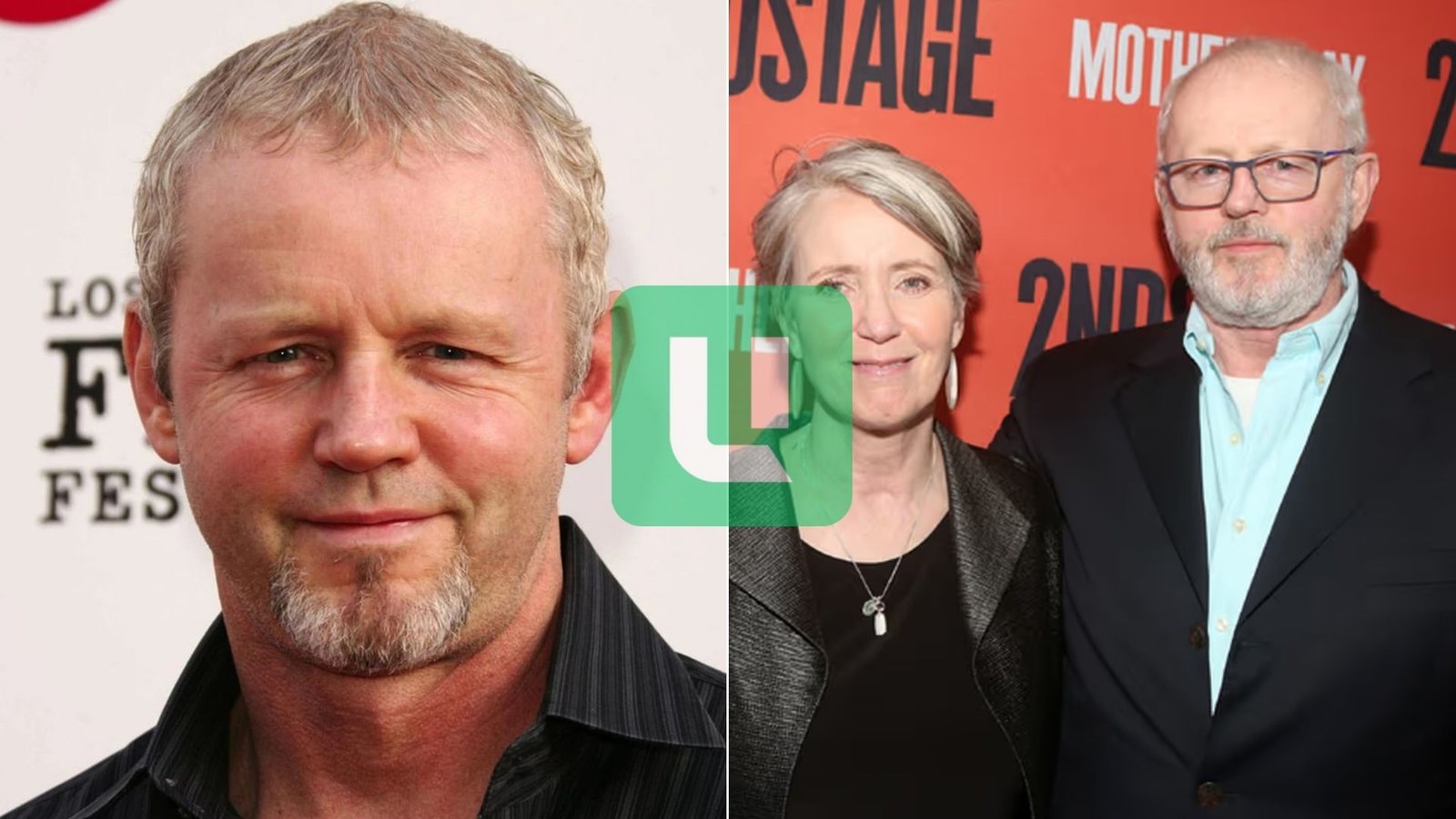
Susan Wheeler Duff is an American former actress and author best known to many readers as the longtime wife of Emmy-nominated actor David Morse. While her husband built a powerful career in film, television, and theater, she created her own path through acting, writing, and family life. Born in 1958 in Philadelphia, Pennsylvania, she appeared in several 1980s screen projects before stepping away from Hollywood’s public spotlight. Her story is not one of loud fame, but of quiet strength, creative identity, and lasting family values.
Quick Bio
| Field | Details |
|---|---|
| Full Name | Susan Wheeler Duff |
| Birth Name | Susan Wheeler Duff von Moschzisker |
| Known As | Susan Morse |
| Year of Birth | 1958 |
| Age | Around 67 to 68 years old as of 2026 |
| Birthplace | Philadelphia, Pennsylvania, United States |
| Nationality | American |
| Ethnicity | White American, estimated |
| Profession | Former actress, author |
| Famous For | Being David Morse’s wife and her 1980s acting work |
| Husband | David Morse |
| Marriage Date | June 19, 1982 |
| Children | Three children |
| Children Details | One daughter and twin sons |
| Height | Estimated 5 feet 5 inches to 5 feet 7 inches |
| Weight | Estimated 55 kg to 65 kg |
| Net Worth | Estimated $1 million to $3 million |
| Main Income Sources | Acting, writing, family assets, creative work |
| Known Works | The Twilight Zone, Miracles, Personal Foul, Hotel |
| Book | The Habit, published under the name Susan Morse |
| Current Public Image | Private, family-focused, creative, low-profile |
Early Life and Philadelphia Roots of Susan Wheeler Duff
Susan Wheeler Duff was born in 1958 in Philadelphia, Pennsylvania, a city known for its historic character, arts culture, and strong community identity. Her birth name is often listed as Susan Wheeler Duff von Moschzisker, which gives her public profile a distinctive and memorable family connection.
Growing up in Philadelphia likely shaped her grounded personality and practical outlook. Unlike many celebrity spouses who become known through public attention alone, her background shows a mix of creativity, education, and personal discipline. Philadelphia also became important later in her life when she and David Morse chose to return to Pennsylvania after a major life-changing event in California.
Her early years are not heavily documented in public records, which reflects the private tone she has kept throughout adulthood. Still, that privacy has become part of her identity. Instead of building fame through media exposure, she allowed her work, family, and personal choices to define her story.
Acting Career in the 1980s
Susan Wheeler Duff worked in television and film during the 1980s, a period when network television, made-for-TV movies, and character-driven dramas were major parts of American entertainment. Her acting career may not have been extremely long, but it included recognizable credits that still appear in entertainment databases today.
She is linked with projects such as The Twilight Zone, Miracles, Personal Foul, and Hotel. These credits show that she was active in the entertainment world during a strong era of television storytelling. The Twilight Zone, in particular, had a cultural reputation for mystery, drama, and unusual human stories, giving actors room to perform in memorable formats.
Her screen career reflects a person who entered Hollywood with talent and creative ambition but later chose a different kind of life. That decision makes her biography more interesting because she did not simply disappear from creativity. Instead, she moved from acting into writing and private family life, proving that success can take more than one form.
Susan Wheeler Duff as David Morse’s Wife
One of the most recognized parts of Susan Wheeler Duff’s life is her marriage to actor David Morse. The couple married on June 19, 1982, and their marriage has lasted for decades. In Hollywood, where many relationships face public pressure and career strain, their long partnership stands out.
David Morse is known for his commanding screen presence, deep voice, and memorable roles in projects such as St. Elsewhere, The Green Mile, The Hurt Locker, House, and many other films and television shows. While his career placed him in the public eye, his wife remained more private and family-centered.
Their relationship is often described as stable and enduring. This long marriage adds depth to her public image because she is not only seen as a former actress, but also as a partner who helped build a strong family foundation away from constant celebrity attention.
Family Tree and Personal Background of Susan Wheeler Duff
The family tree of Susan Wheeler Duff is most publicly connected to her husband and children. Her marriage to David Morse created a respected entertainment family that has stayed mostly away from tabloid drama. Their children have also been protected from heavy media attention.
Her birth name, Susan Wheeler Duff von Moschzisker, suggests a notable family name, but detailed public information about her parents and early relatives is limited. Because of that, it is better to avoid making claims about her ancestry beyond what is publicly available.
Within her immediate family, her role is clear. She is a wife, mother, former actress, and author. Her family story is built around stability, endurance, and privacy. That makes her background appealing to readers who want more than surface-level celebrity facts.
Family Life and Children
Family is one of the most important parts of Susan Wheeler Duff’s public story. She and David Morse have three children together, including one daughter and twin sons. Their daughter has been reported as Eliza Morse, while their twin sons are often reported as Benjamin Morse and Samuel Morse.
The family tree surrounding her is not overly public, which seems intentional. Rather than exposing their children to the constant spotlight of Hollywood, the couple appears to have protected their family’s privacy. That choice says a lot about their values.
Their parenting style seems connected to stability, safety, and a normal home life. After years in Los Angeles, the family moved back toward Pennsylvania following the 1994 Northridge earthquake, which reportedly destroyed their Sherman Oaks home. That move was not just a change of address. It marked a major life reset and showed how deeply the couple prioritized their children and peace of mind.
The Move from Los Angeles to Pennsylvania
The relocation from Los Angeles to Pennsylvania is one of the most defining parts of Susan Wheeler Duff’s life story. After the 1994 Northridge earthquake damaged or destroyed their home in Sherman Oaks, the family decided to leave California and return to the Philadelphia area.
For many entertainment families, Los Angeles is the center of opportunity. Leaving it can feel like stepping away from the heart of Hollywood. But for this family, the decision appears to have been about safety, emotional recovery, and a healthier environment for their children.
This move also helped shape her lifestyle. Instead of staying close to the celebrity machine, she and David Morse built a life that balanced career opportunities with privacy. It is one reason her public image feels different from many Hollywood spouses. Her story is connected to resilience, rebuilding, and choosing family over fame.
Writing Career and The Habit
After stepping away from regular screen work, Susan Wheeler Duff entered a new creative chapter as an author. In 2011, she published a memoir titled The Habit under the name Susan Morse. This book added an important new layer to her identity because it showed that her creative voice extended beyond acting.
Writing a memoir requires honesty, reflection, and courage. It also suggests that she had stories to tell outside the roles she played on screen. While many people know her through David Morse, her book allows readers to view her as a person with her own memories, inner life, and artistic point of view.
This writing chapter is a major part of her success story. It shows reinvention. She moved from acting to family life and later to authorship, proving that personal creativity does not end when a public career slows down.
Lifestyle and Private Personality
The lifestyle of Susan Wheeler Duff appears private, grounded, and family-oriented. She does not seem to chase public attention, viral interviews, or constant media coverage. Instead, her life has been shaped by home, writing, marriage, and personal peace.
Her public image suggests someone who values privacy over fame. This makes her different from many celebrity figures connected to Hollywood names. She has lived close to fame for decades, yet she has not used that connection to build a loud public persona.
Her lifestyle also reflects balance. She has experienced the entertainment industry, family life, a major relocation, and the creative world of writing. Through all of it, she seems to have maintained a calm and low-profile identity. For readers, that makes her story relatable because it is about living with purpose rather than living for attention.
What is Susan Wheeler’s Duff Net Worth?
The estimated net worth of Susan Wheeler Duff is often placed between $1 million and $3 million. This estimate should be treated carefully because her personal finances have not been publicly confirmed. Her wealth may come from acting work, book publishing, family assets, and her long connection to the entertainment world.
Her husband David Morse has had a long and respected Hollywood career, so some estimates may combine household wealth rather than her individual income. That is why it is best to describe her financial status as estimated rather than official.
Susan Wheeler Duff’s net worth is not the most important part of her story, but it helps readers understand her overall public profile. She had her own career, became an author, and has spent decades connected to a successful entertainment household. Her financial picture reflects both personal work and family stability.
Physical Appearances of Susan Wheeler Duff
Susan Wheeler Duff’s exact height and weight have not been publicly confirmed. Based on available public references and general estimates, her height is believed to be around 5 feet 5 inches to 5 feet 7 inches, while her weight is estimated between 55 kg and 65 kg.
These figures should be presented as estimates only. Unlike many mainstream celebrities, she has not made physical statistics a part of her public identity. Her image is not based on fashion headlines, red-carpet exposure, or public beauty branding.
This privacy should be respected in any biography. When writing about her appearance, it is better to focus on her graceful, natural, and understated public presence rather than presenting unverified numbers as fact.
Career Shift Away from Hollywood
Susan Wheeler Duff stepped away from screen acting after her 1980s work, and that decision shaped the next stage of her life. Many actors continue chasing visibility, but she took a quieter path. Her move away from Hollywood does not suggest failure. Instead, it reflects personal choice and changing priorities.
Her acting credits remain part of her professional identity, but they are not the full story. She became known as an author and as a private family figure who supported a long-lasting marriage and stable home life.
This career shift is important because it challenges the idea that success must always mean more fame. For Susan Wheeler Duff, success seems to include creativity, privacy, marriage, parenting, and personal growth. That makes her story more human and meaningful.
Social Media and Public Presence
Susan Wheeler Duff does not appear to have a widely verified public social media profile. This fits with her overall private image. In an age when many public figures use social media to shape their brand, she has remained mostly offline and out of the public conversation.
Her limited social media presence makes verified information about her less common. It also means writers should be careful not to rely on rumors or weak celebrity pages when building a profile about her.
Her absence from social media can actually strengthen her image. It shows that she has chosen privacy in a culture that often rewards exposure. For readers interested in celebrity families, that makes her life feel calm, mature, and different from the usual Hollywood story.
Success Story and Personal Strength
The success story of Susan Wheeler Duff is not built around blockbuster fame or constant media headlines. It is built around reinvention, endurance, and personal identity. She worked as an actress, became a published author, supported a long marriage, raised three children, and rebuilt family life after a major earthquake changed their future.
Her journey shows that success can be quiet. It can mean leaving the spotlight when life calls for a different direction. It can mean choosing family over career pressure. It can also mean using writing to tell a more personal story later in life.
Susan Wheeler Duff represents a type of Hollywood figure who is often overlooked. She has been close to fame but has not been consumed by it. Her life proves that privacy, loyalty, and creative purpose can be just as powerful as public recognition.
Public Image and Media Interest
Public interest in Susan Wheeler Duff usually comes from two areas: her past acting work and her marriage to David Morse. Fans of Morse often want to know more about the woman who has been beside him for so many years. Others discover her through her memoir or her 1980s screen credits.
Her public image is positive because it is not surrounded by controversy. She is generally viewed as private, thoughtful, and family-centered. That makes her biography useful for readers who prefer accurate, respectful celebrity profiles instead of gossip-driven stories.
Media interest around her remains limited but steady. This is common for celebrity spouses who have their own professional background but choose not to live publicly. Her story attracts readers because it combines Hollywood, family, writing, and long-term partnership.
Conclusion/Final Thoughts
Susan Wheeler Duff has lived a life that blends creativity, privacy, family, and resilience. She began as an actress in the 1980s, later became an author, and remained closely associated with one of Hollywood’s most respected character actors, David Morse. Yet her identity is not limited to being a celebrity wife.
Her story includes a strong marriage, three children, a move from Los Angeles to Pennsylvania, and a thoughtful creative journey beyond acting. Her estimated net worth, private lifestyle, protected family tree, and limited social media presence all point to a woman who values substance over attention.
Susan Wheeler Duff’s biography is meaningful because it reminds readers that not every Hollywood story is about fame. Some are about choosing peace, building a family, and creating a life with lasting purpose.
FAQs
Who is Susan Wheeler Duff?
Susan Wheeler Duff is an American former actress and author best known as the wife of actor David Morse. She appeared in 1980s projects such as The Twilight Zone, Miracles, Personal Foul, and Hotel. She later became known as the author of The Habit, published under the name Susan Morse.
How old is Susan Wheeler Duff?
Susan Wheeler Duff was born in 1958, which makes her around 67 to 68 years old as of 2026. Her exact birth date is not widely publicized, but her birth year and birthplace are commonly listed in public biography sources.
What is Susan Wheeler Duff’s estimated net worth?
Susan Wheeler Duff’s estimated net worth is around $1 million to $3 million. This figure is not officially confirmed and should be treated as an estimate. Her income may come from acting, writing, family assets, and her connection to a long-running entertainment household.
Who is Susan Wheeler Duff married to?
Susan Wheeler Duff is married to actor David Morse. The couple married on June 19, 1982. Their long marriage is often mentioned in profiles about David Morse because it has remained steady for decades despite the pressures of the entertainment industry.
Does Susan Wheeler Duff have children?
Yes, Susan Wheeler Duff and David Morse have three children. They are reported to have one daughter and twin sons. The couple has kept their children’s lives mostly private, which matches their overall family-focused lifestyle.

How an Education Consultant Can Help with Harrow School Admissions

What Is Tsunaihaiya? A Guide to Its Rings, Bangles, and Bracelets

Do You Need to Speak Polish to Apply for Citizenship by Descent?
-

 Technology3 months ago
What Is Nerwey? A Complete Guide To The Online Platform
-

 Biography6 months ago
Who Is Renee Berry? The Untold Story of Halle Berry’s Half Sister
-

 Celebrity6 months ago
Who Is Joseph Toney Biography? The Untold Story of Shaquille O’Neal’s Father
-
 Celebrity6 months ago
Who Is Rodney Tyson? The Untold Story of Mike Tyson’s Brother
-
 Celebrity6 months ago
Who Is Roslyn Jordan? All About Sister of basketball icon Michael Jordan
-

 Biography6 months ago
Who Is Jenna Shue? All About Elisabeth Shue’s Sister and Her Corporate Career
-
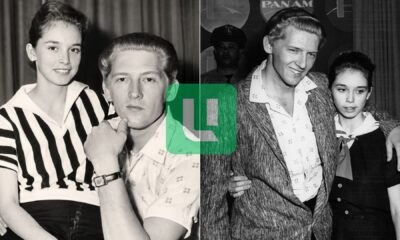
 Celebrity5 months ago
Married at Just 16: The Controversial First Marriage of Jerry Lee Lewis and Dorothy Barton
-

 Celebrity6 months ago
Who Is Kazembe Ajamu Coleman? A Complete Biography of Zendaya’s Father